








Can PRP Hair Treatment Improve Hair Density?

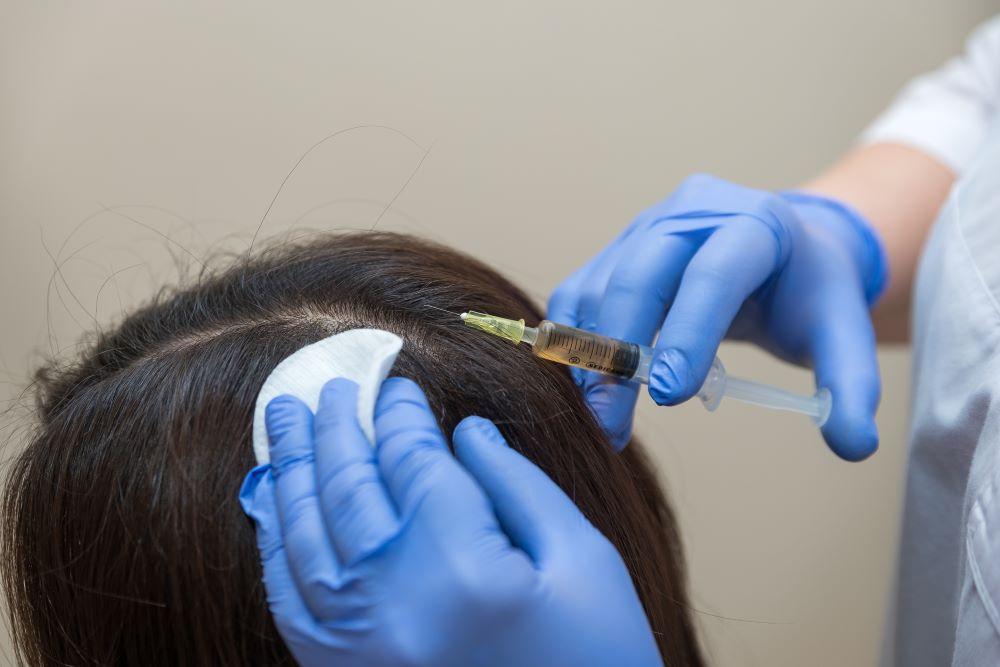
Many people struggling with thinning hair are increasingly exploring regenerative solutions that support natural growth rather than relying on invasive procedures. One of the most discussed options today is PRP Hair Treatment in Dubai, especially among individuals looking for noticeable improvements in hair thickness and overall scalp health. The growing popularity of this approach raises an important question: can it truly improve hair density, or is it just another trend?
To answer this, it’s essential to understand how PRP works, what it targets in the scalp, and what kind of results can realistically be expected over time.
What Is PRP Hair Treatment and How It Relates to Hair Density?
PRP (Platelet-Rich Plasma) therapy is a regenerative technique that uses components from your own blood to stimulate biological repair processes. The plasma portion contains a high concentration of growth factors that play a role in tissue regeneration, healing, and cellular communication.
When applied to the scalp, PRP is designed to reactivate weakened hair follicles and improve their environment. Hair density, in simple terms, refers to the number of active hair strands per square centimeter of the scalp. PRP doesn’t create new follicles, but it may help strengthen existing ones that have become dormant or miniaturized.
This is why many people notice not just reduced hair fall, but also a fuller and thicker appearance over time.
Can PRP Improve Hair Density? Mechanism Explained
The potential of PRP to improve hair density lies in its ability to enhance follicular activity and extend the natural growth cycle of hair. Hair grows in phases, and PRP primarily supports the anagen (growth) phase, encouraging follicles to remain active for longer periods.
Platelet Growth Factors
Platelets contain essential growth factors such as PDGF, VEGF, and IGF. These compounds are responsible for:
- Improving blood circulation around hair follicles
- Supporting cellular repair in the scalp
- Stimulating dormant follicles
- Enhancing nutrient delivery to hair roots
When these growth factors are introduced into the scalp, they create a more favorable environment for hair growth, which can gradually improve density.
Follicle Stimulation and Reactivation
One of the key reasons hair density decreases is follicular miniaturization. This means hair strands become thinner and weaker over time until they stop growing. PRP therapy aims to slow this process and, in some cases, partially reverse it.
By stimulating weakened follicles, PRP can help:
- Increase hair strand thickness
- Improve follicle productivity
- Reduce the percentage of inactive follicles
Over time, this contributes to a visibly denser scalp appearance.
Factors That Influence PRP Results
Not everyone experiences the same level of improvement with PRP. Hair density outcomes depend on several biological and lifestyle factors.
Age and Genetics
Genetics play a significant role in hair loss patterns. Individuals with early-stage thinning tend to respond better than those with long-standing hair loss. Younger individuals often have more active follicles, which increases the likelihood of visible density improvement.
Stage of Hair Thinning
PRP works best in the early to moderate stages of hair thinning. When follicles are still alive but weakened, there is a higher chance of revival. However, areas with completely inactive follicles may show limited improvement.
Consistency of Sessions
Hair restoration is a gradual process. Consistent sessions over time are typically required to maintain stimulation of the follicles. Irregular treatment may slow down or reduce visible improvements in density.
What Improvements Do People Typically Notice?
Understanding what PRP can realistically achieve helps set proper expectations. The treatment is more about enhancement than transformation.
Increased Hair Thickness Rather Than New Hair Count
One of the most common early signs of improvement is thicker hair strands. Even if the number of hairs does not dramatically increase, the overall appearance of fullness improves due to better strand quality.
Reduced Shedding
Many individuals first notice a decrease in daily hair shedding. This is often one of the earliest positive signs that follicles are becoming more stable and active.
Improved Hair Texture and Strength
Hair may feel stronger, less brittle, and more resistant to breakage. This contributes indirectly to improved density, as fewer hairs are lost through damage.
Timeline for Hair Density Changes
PRP does not produce overnight results. The biological processes involved require time to respond and regenerate.
In general:
- First few weeks: Reduced hair shedding may become noticeable
- 1 to 3 months: Early signs of improved thickness and texture
- 3 to 6 months: Visible enhancement in hair density for many individuals
- 6+ months: Stabilization and maintenance of results
Patience is essential, as hair growth cycles naturally progress slowly.
How to Maximize Hair Density Results Naturally
PRP can be more effective when combined with healthy lifestyle habits that support hair growth from within.
Nutrition and Diet Support
Hair follicles require proper nutrients to function optimally. A balanced diet rich in proteins, iron, zinc, and vitamins can significantly enhance results. Hydration also plays an important role in maintaining scalp health.
Foods that support hair health include:
- Leafy green vegetables
- Eggs and lean proteins
- Nuts and seeds
- Fruits rich in antioxidants
Scalp Care and Hygiene
A clean, well-maintained scalp allows better absorption of nutrients and supports follicle health. Gentle cleansing routines and avoiding excessive product buildup can help maintain a healthy environment for hair growth.
Stress Management
High stress levels are known to disrupt the hair growth cycle. Managing stress through regular physical activity, sleep, and relaxation techniques can indirectly improve treatment outcomes.
Common Misconceptions About PRP and Hair Density
There are several misunderstandings surrounding PRP therapy that can lead to unrealistic expectations.
One common misconception is that PRP instantly creates new hair follicles. In reality, it primarily works by revitalizing existing ones.
Another misconception is that results are permanent. While improvements can be long-lasting, ongoing maintenance and healthy habits are often necessary to sustain hair density.
Lastly, some believe PRP works equally for all types of hair loss. However, its effectiveness varies depending on the cause and stage of thinning.
Conclusion
PRP therapy offers a promising approach for individuals looking to enhance hair density through natural biological stimulation. By activating weakened follicles, improving scalp circulation, and extending the hair growth phase, it can contribute to thicker, fuller-looking hair over time.
While results vary from person to person, those in the early stages of hair thinning are often the most likely to benefit. With consistent care, realistic expectations, and supportive lifestyle habits, PRP can be a valuable part of a long-term hair restoration strategy.


