








How Does Electrolysis Laser Hair Removal Affect Hair Growth?

Hair reduction technologies have become increasingly refined, especially for people in Dubai who deal with strong sun exposure and fast hair regrowth cycles influenced by climate and hormones. Understanding how treatments influence follicles helps set realistic expectations and improves long-term results. Hair biology responds differently depending on the method used, skin type, and consistency of sessions.
Modern aesthetic practices such as Electrolysis Laser Hair Removal are often discussed for their ability to target unwanted hair at the root level.
Clinics focusing on advanced skin solutions, including Dynamic Life Clinic, often emphasize how follicle disruption impacts regrowth patterns over time without relying on surface-level methods.
Understanding Hair Growth Cycle and Treatment Mechanism
Hair does not grow continuously at the same rate. It follows a structured cycle that includes anagen (growth phase), catagen (transition phase), and telogen (resting phase). Each follicle operates independently, which is why some hairs appear while others remain dormant.
Laser and electrolysis-based approaches primarily target follicles during the active growth stage when they are most responsive. During anagen, the hair shaft is connected directly to the root, allowing energy delivery to affect the follicular structure more effectively. When follicles are weakened at this stage, regrowth becomes progressively finer and less dense.
The key biological interaction lies in how energy is absorbed. Laser methods focus on pigment (melanin), while electrolysis uses a direct electrical current to interrupt follicle activity regardless of pigment. This distinction influences how hair growth patterns change over multiple sessions.

How Electrolysis and Laser Approaches Influence Follicles
Hair reduction methods differ in how they affect follicle integrity and regrowth potential. Laser-based systems emit concentrated light that is absorbed by melanin, converting it into heat that weakens the follicle. Repeated exposure reduces the follicle’s ability to regenerate strong hair strands.
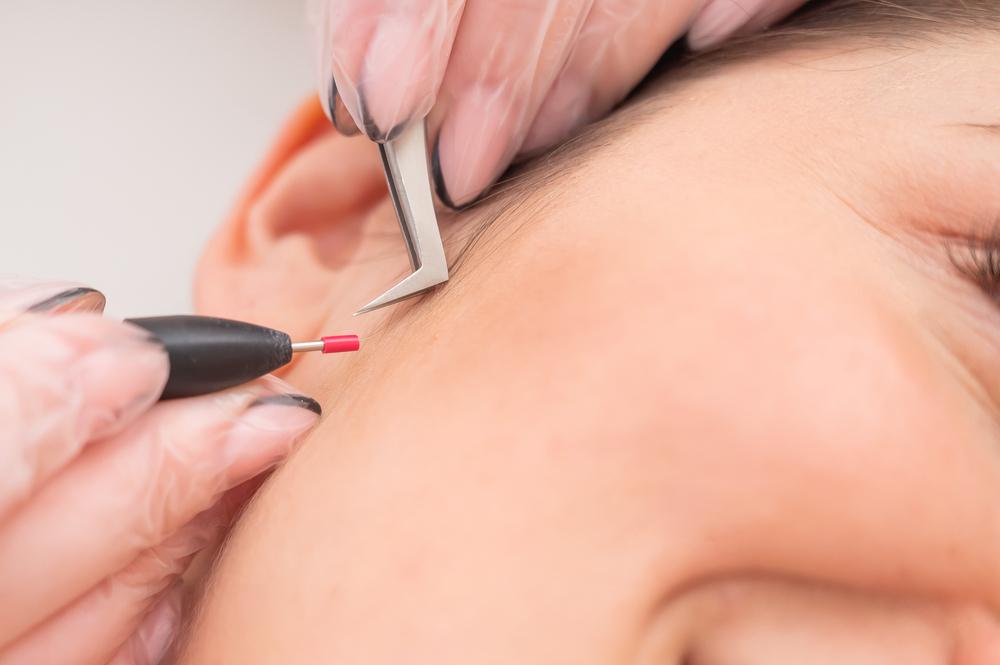
Electrolysis, on the other hand, targets individual follicles with a fine probe that delivers controlled energy directly into the root structure. This process disrupts the cells responsible for hair production, leading to a gradual decline in active growth capability.
When combined or compared in structured treatment plans, these approaches can lead to noticeable changes in hair density:
- Hair grows back slower and finer over time
- Active follicles reduce in number after multiple sessions
- Regrowth becomes patchier and less uniform
- Coarse hair gradually transitions into softer strands
The long-term effect is not immediate elimination but progressive weakening of follicular function.
Key Factors That Affect Hair Growth Response
Not all hair responds the same way to treatment, and several biological and environmental factors influence outcomes. Skin tone, hair thickness, hormonal balance, and genetics all play important roles in determining how follicles react.
In regions like Dubai, where environmental heat and sun exposure are significant, skin sensitivity and pigmentation levels can also influence results. Darker, coarser hair generally responds more efficiently to energy-based methods due to higher melanin content, while finer or lighter hair may require additional sessions for noticeable change.
Other influencing elements include:
- Hormonal activity that can stimulate dormant follicles
- Treatment consistency and spacing between sessions
- Skin recovery capacity and post-treatment care habits
- Age-related changes in follicle regeneration speed
These variables explain why results vary even when similar technologies are used.
What Users in Dubai Should Expect Over Time
Individuals undergoing hair reduction treatments typically observe gradual changes rather than instant removal. Early sessions often focus on reducing active growth, while later stages aim to weaken remaining follicles.
As treatment progresses, hair growth patterns shift in several noticeable ways. Regrowth becomes less uniform, with longer gaps between cycles. Areas that were once dense may appear more sparse, especially where follicles were consistently targeted during the growth phase.
The climate in Dubai can also influence perceived regrowth speed due to higher skin exposure and sweat activity, which sometimes makes hair appear more visible between sessions. However, the underlying follicular response remains the same when treatments are followed correctly.
Over time, treated areas may show:
- Reduced hair thickness and pigmentation
- Slower visible regrowth cycles
- Increased number of inactive follicles
- More balanced skin texture in treated regions
These changes reflect cumulative follicular response rather than immediate transformation.
Aftercare Practices That Support Better Outcomes
Post-treatment care plays a significant role in how effectively hair growth is managed after each session. The skin and follicles remain sensitive for a short period, and proper care supports recovery while minimizing irritation.
A few practical aftercare practices include:
- Avoiding direct sun exposure immediately after treatment
- Keeping the skin hydrated to support healing processes
- Refraining from harsh exfoliation for several days
- Using gentle cleansing methods to reduce inflammation risk
- Avoiding heat-based activities that may stress the skin
Consistency in aftercare helps maintain follicle stability between sessions, allowing treatments to work more effectively over time.
Hydration and skin barrier protection are particularly important in warmer climates, where dryness and heat exposure can influence healing speed and comfort levels.
Conclusion
Hair growth response to advanced removal techniques is shaped by follicle biology, treatment precision, and individual skin characteristics. Over repeated sessions, follicles gradually lose their ability to produce strong hair strands, resulting in finer and less frequent regrowth. The interaction between energy-based methods and the natural hair cycle determines how quickly visible changes appear, especially in environments like Dubai where skin exposure is high and regrowth cycles can feel accelerated.


