








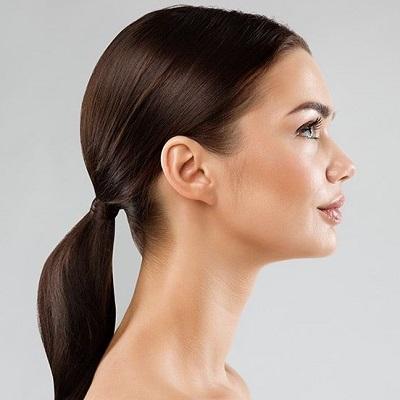
Nose Reshaping Surgery for Wide Nose Correction

Nose Reshaping Surgery has become one of the most sought-after facial procedures for individuals who feel dissatisfied with the shape, size, or proportions of their nose. Among the various concerns patients express, a wide nose is one of the most common aesthetic issues. Many people seek subtle refinement rather than drastic change, aiming for a nose that looks more balanced with the rest of the face while still preserving their natural identity.
This article explores how Nose Reshaping Surgery helps correct a wide nose, what the procedure involves, who may benefit from it, and what to expect during recovery. The goal is to provide clear, helpful, and realistic information for anyone considering this treatment.
Understanding a Wide Nose and Its Aesthetic Impact
A wide nose typically refers to a nasal structure that appears broader at the bridge, tip, or nostrils. In some individuals, the nasal bones are naturally wider, while others may have wider nostrils or a less defined nasal tip. Genetics is the most common factor, although previous injury or aging can also influence nasal shape.
From an aesthetic perspective, facial harmony is often associated with balance between features. When the nose appears disproportionately wide compared to the eyes, cheeks, or jawline, some individuals may feel less confident about their appearance. However, it is important to note that beauty standards vary widely, and Nose Reshaping Surgery is always a personal choice rather than a necessity.
What Is Nose Reshaping Surgery?
Nose Reshaping Surgery, also known as rhinoplasty, is a cosmetic procedure designed to modify the shape and structure of the nose. It can address both aesthetic concerns and functional issues such as breathing difficulties.
For wide nose correction, the surgery focuses on narrowing specific areas of the nose to create a more refined and proportionate appearance. The procedure may involve reshaping bone, cartilage, or soft tissue depending on the individual's anatomy.
There are two common approaches:
- Open approach, where a small incision is made at the base of the nose for better visibility and precision.
- Closed approach, where incisions are made inside the nostrils, leaving no visible external scars.
The choice of technique depends on the complexity of the case and the desired outcome.
How Nose Reshaping Surgery Corrects a Wide Nose
Correcting a wide nose requires a tailored approach because no two noses are exactly alike. Surgeons evaluate multiple aspects of nasal structure before deciding on a surgical plan.
Narrowing the Nasal Bridge
For individuals with a wide nasal bridge, the procedure may involve reshaping or repositioning the nasal bones. Carefully controlled adjustments help bring the bones closer together, creating a slimmer and more defined bridge.
Refining the Nasal Tip
A bulky or rounded nasal tip can contribute significantly to the appearance of a wide nose. Cartilage at the tip may be reshaped or reduced to improve definition and symmetry. In some cases, sutures are used to refine and support the new shape.
Reducing Nostrils (Alar Base Reduction)
Wide nostrils are a common concern. A technique called alar base reduction may be used to carefully reduce the width of the nostrils. Small incisions at the base of the nose allow for subtle adjustments that improve balance without affecting natural expression.
Improving Overall Facial Harmony
The ultimate goal of Nose Reshaping Surgery is not just to make the nose smaller but to ensure it blends harmoniously with other facial features. A well-executed procedure considers the chin, cheekbones, and overall facial symmetry.
Who Is a Good Candidate for Nose Reshaping Surgery?
Not everyone with a wide nose needs surgery. Ideal candidates are individuals who:
- Are physically healthy and do not have untreated medical conditions
- Have fully developed facial structures (usually after late teens)
- Have realistic expectations about surgical outcomes
- Feel that their nose is disproportionately wide compared to their face
- Seek improvement rather than perfection
Emotional readiness is also important. The decision should be personal and well-considered, not influenced by external pressure.
What to Expect During the Procedure
Nose Reshaping Surgery is typically performed under anesthesia to ensure comfort. The procedure can take a few hours depending on the complexity of corrections needed.
Once anesthesia is administered, the surgeon makes precise incisions based on the chosen technique. The nasal structure is then carefully reshaped to achieve the desired width and contour. After adjustments are completed, the skin is repositioned, and the nose is supported with a splint to maintain its new shape during early healing.
Patients are usually able to return home the same day or after a short observation period.
Recovery and Healing Process
Recovery is a gradual process, and patience plays a key role in achieving the final results. While initial swelling and bruising are expected, most visible signs improve within a few weeks.
During the first week, a nasal splint is typically worn to protect the nose. Mild discomfort, swelling, and congestion are common but manageable. Most individuals can return to non-strenuous activities within 7–10 days.
However, complete healing and final refinement of nasal shape may take several months as internal tissues settle. Following post-surgical care instructions is essential for optimal results.
Benefits of Nose Reshaping Surgery for Wide Nose Correction
Nose Reshaping Surgery offers several potential benefits when performed for wide nose correction:
- Improved facial balance and symmetry
- Enhanced nasal definition and structure
- Better alignment with other facial features
- Increased self-confidence and satisfaction with appearance
- Long-lasting results with permanent structural changes
It is important to remember that the goal is natural-looking enhancement rather than dramatic alteration. When done thoughtfully, results can be subtle yet impactful.
Risks and Considerations
Like any surgical procedure, Nose Reshaping Surgery carries some risks. These may include swelling, bruising, temporary breathing discomfort, or asymmetry during healing. In rare cases, revision surgery may be needed to refine results.
Choosing an experienced and qualified professional significantly reduces risks and improves the likelihood of successful outcomes. Open communication about expectations is also essential before undergoing surgery.
Long-Term Results and Maintenance
One of the advantages of Nose Reshaping Surgery is that results are generally long-lasting. Once the nasal structure heals, the changes are permanent. However, natural aging continues, which may subtly affect facial tissues over time.
Maintaining overall skin health and protecting the face from injury helps preserve surgical results. Most individuals enjoy their refined nasal shape for many years without needing further procedures.
FAQs About Nose Reshaping Surgery
1. What is the main goal of Nose Reshaping Surgery for a wide nose?
The primary goal is to improve nasal proportion by narrowing and reshaping the nose so it appears more balanced with the rest of the face while maintaining a natural look.
2. How long does it take to recover from Nose Reshaping Surgery?
Initial recovery usually takes 1–2 weeks, but complete healing and final results may take several months as swelling gradually subsides.
3. Will there be visible scars after surgery?
In most cases, incisions are either hidden inside the nostrils or placed discreetly at the base of the nose, making scars minimal or nearly invisible once healed.
4. Is Nose Reshaping Surgery painful?
Discomfort is usually mild to moderate and can be managed with prescribed medication. Most patients describe the recovery as more uncomfortable than painful.
5. Can Nose Reshaping Surgery change my entire facial appearance?
While the procedure focuses on the nose, even subtle changes can enhance overall facial harmony and balance, which may make the face appear more refined.
6. Are the results of Nose Reshaping Surgery permanent?
Yes, the structural changes made during surgery are permanent, although natural aging may gradually affect the appearance over time.
Read More About Nose Reshaping Surgery: https://payrchat.com/blogs/65741/what-doctors-dont-always-say-about-rhinoplasty-surgery


