








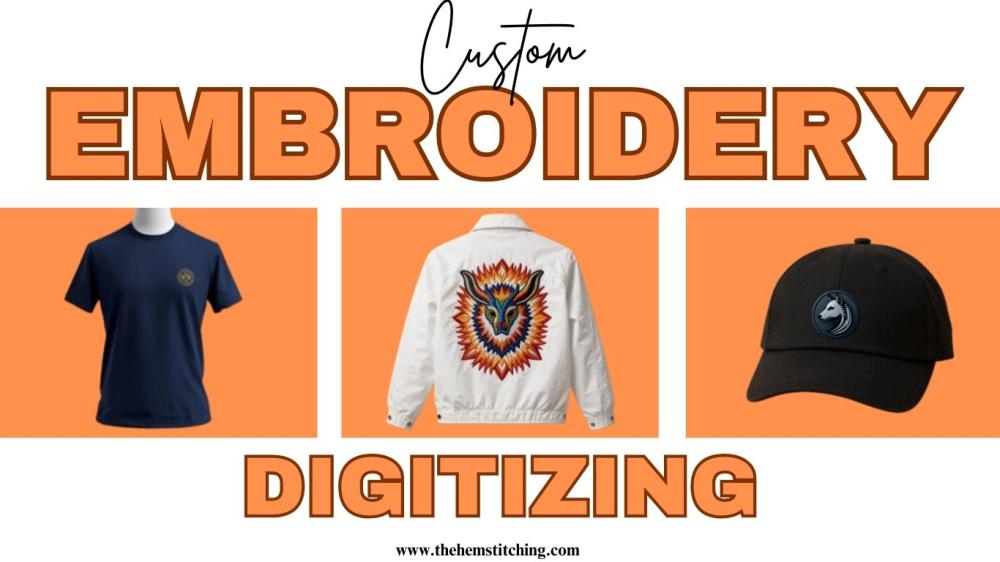
Embroidery Digitizing Guide – Complete Process Explained by The Hem Stitching
What is Embroidery Digitizing?
The Hem Stitching presents a complete guide to embroidery digitizing, a process widely used by embroidery digitizing companies in uk to transform artwork into stitch-ready files. Embroidery digitizing is the method of converting a design into a digital embroidery file that machines can read and execute. This file contains instructions that guide the needle’s path, stitch type, and thread direction for precise results.
Embroidery digitizing is not an automatic process; it requires creativity, technical skills, and a deep understanding of fabrics and stitches. A digitizer carefully maps out each part of the design to ensure it stitches correctly on the garment.
Understanding Embroidery Digitizing Process
Embroidery digitizing involves converting images such as JPG or PNG files into machine-readable embroidery formats like DST, PES, or EXP. Since embroidery machines cannot interpret regular image files, digitizing software is used to translate artwork into stitch commands.
In simple terms, embroidery digitizing means creating a digital file that instructs the embroidery machine on how to sew the design. Every stitch, angle, and sequence is planned manually by the digitizer to achieve the best outcome.
The process begins with analyzing the design. The digitizer decides stitch types like satin, fill, or running stitch based on the design elements. Then, stitch direction, density, and sequencing are defined to ensure smooth embroidery.
Key Elements of Embroidery Digitizing
Embroidery digitizing is more than just converting images; it involves artistic and technical decisions. The most important elements include stitch type selection, stitch direction, and density control.
Choosing the right stitch type is crucial. Satin stitches are ideal for text and borders, while fill stitches are used for larger areas. Running stitches work best for fine details. Stitch direction affects how light reflects on the design, giving it depth and texture.
Another critical factor is stitch count. A well-digitized design maintains a balance between quality and efficiency. Too many stitches can slow down production, while too few may affect design clarity.
Difference Between Embroidery and Printing
Embroidery digitizing differs significantly from screen printing. While printing focuses on applying ink to fabric, embroidery relies on stitching threads into the material.
Digitized embroidery creates a textured and premium look, making it ideal for logos and branding. On the other hand, printing is better suited for detailed graphics and colorful designs.
Both methods have their advantages, and the choice depends on the type of design and fabric. However, embroidery digitizing remains the preferred option for durability and professional appearance.
What Can Be Digitized?
Almost any design can go through embroidery digitizing. From simple logos to complex artwork, everything can be transformed into embroidery files.
You can digitize company logos, custom artwork, text designs, and even hand-drawn sketches. Whether it’s for caps, jackets, t-shirts, or uniforms, digitizing allows flexibility in design application.
A professional digitizer ensures that the design is adjusted according to fabric type and size. This ensures the final embroidery looks clean and accurate.
Step-by-Step Embroidery Digitizing Workflow
The embroidery digitizing process starts with receiving the design and understanding client requirements. Details like size, fabric type, and stitch style are important.
Next, the design is imported into digitizing software where the digitizer manually traces and assigns stitch types. After that, stitch direction and sequence are defined to ensure smooth machine operation.
In the middle of this process, many professionals rely on embroidery digitizing service uk providers to handle complex designs with precision and efficiency.
Once the digitizing is complete, a sample stitch-out is tested. This helps identify errors and make adjustments before final production. The final file is then delivered in the required format.
Importance of Professional Digitizing
Professional embroidery digitizing ensures high-quality results. A skilled digitizer understands fabric behavior, thread tension, and machine limitations.
Poor digitizing can lead to thread breaks, uneven stitching, and distorted designs. That’s why businesses rely on experienced digitizers for their branding needs.
The Hem Stitching emphasizes the importance of precision and detail in every design. A well-digitized file not only improves quality but also enhances production efficiency.
Why Embroidery Digitizing Matters
Embroidery digitizing plays a vital role in custom apparel and branding. It allows businesses to create unique and durable designs that stand out.
Digitized embroidery is widely used in uniforms, promotional merchandise, and personalized gifts. It adds a professional touch that printing often cannot achieve.
With the right digitizing techniques, even the most complex designs can be transformed into stunning embroidery pieces.
FAQs
Q1: What is embroidery digitizing?
Embroidery digitizing is the process of converting artwork into a digital file that embroidery machines can read and stitch.
Q2: Can all designs be digitized?
Yes, most designs including logos, text, and artwork can be digitized for embroidery.
Q3: Is embroidery digitizing automatic?
No, embroidery digitizing requires manual work, skills, and experience to achieve accurate results.
Q4: What file formats are used in embroidery digitizing?
Common formats include DST, PES, EXP, and JEF, depending on the machine used.
Q5: Why is professional digitizing important?
Professional embroidery digitizing ensures clean stitching, proper alignment, and high-quality results on garments.
Get a Free Quote today or Contact Us to create embroidery that truly stands out.
We also help businesses grow through professional digital marketing solutions.
Author: THE HEM STITCHING
Experts in Custom Embroidery Digitizing – Trusted by Clients Nationwide
Website: www.thehemstitching.com/ | Email: design@thehemstitching.com |
Secure, Professional, and Committed to Quality – View our About Page and Contact Information for Trust & Support


