








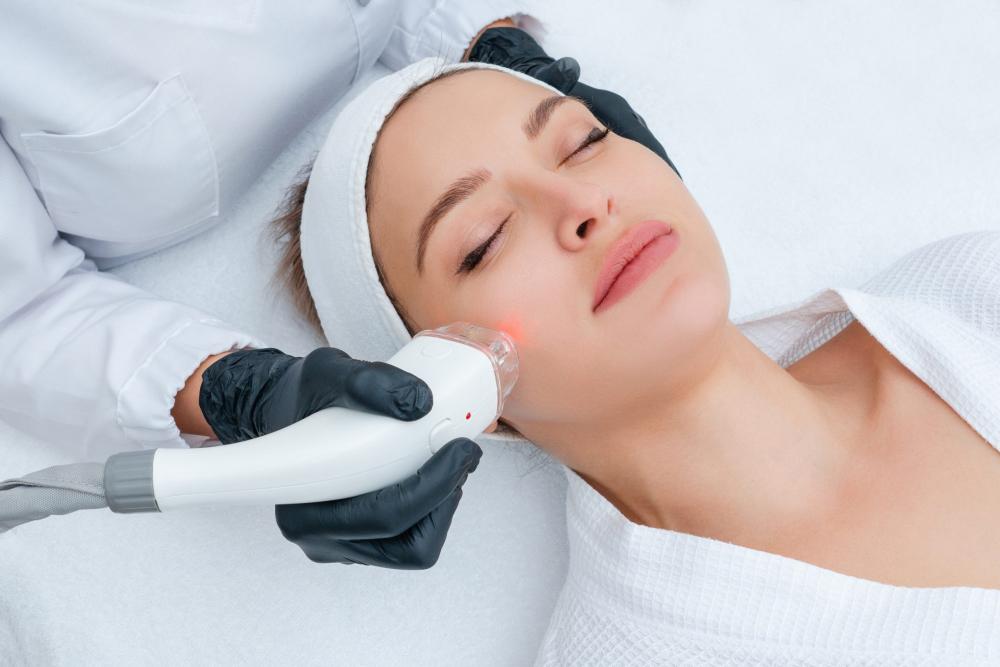
Is Laser Skin Resurfacing Treatment Ablative or Non-Ablative?

Understanding whether laser skin resurfacing treatment is ablative or non-ablative is essential for anyone considering this advanced skin rejuvenation option. For patients considering Laser skin resurfacing Dubai, both methods are widely discussed as part of modern aesthetic dermatology solutions focused on improving skin texture, tone, and overall clarity. Dynamic Life Clinic emphasizes selecting the appropriate technique based on individual skin needs and treatment goals.
What Is Laser Skin Resurfacing?
Laser skin resurfacing is a cosmetic procedure that uses focused light energy to improve the skin’s appearance. It targets common issues such as:
- Fine lines and wrinkles
- Acne scars and surgical scars
- Sun damage and pigmentation
- Uneven skin tone and texture
The treatment works by stimulating collagen production while either removing or heating layers of the skin, depending on the type of laser used.
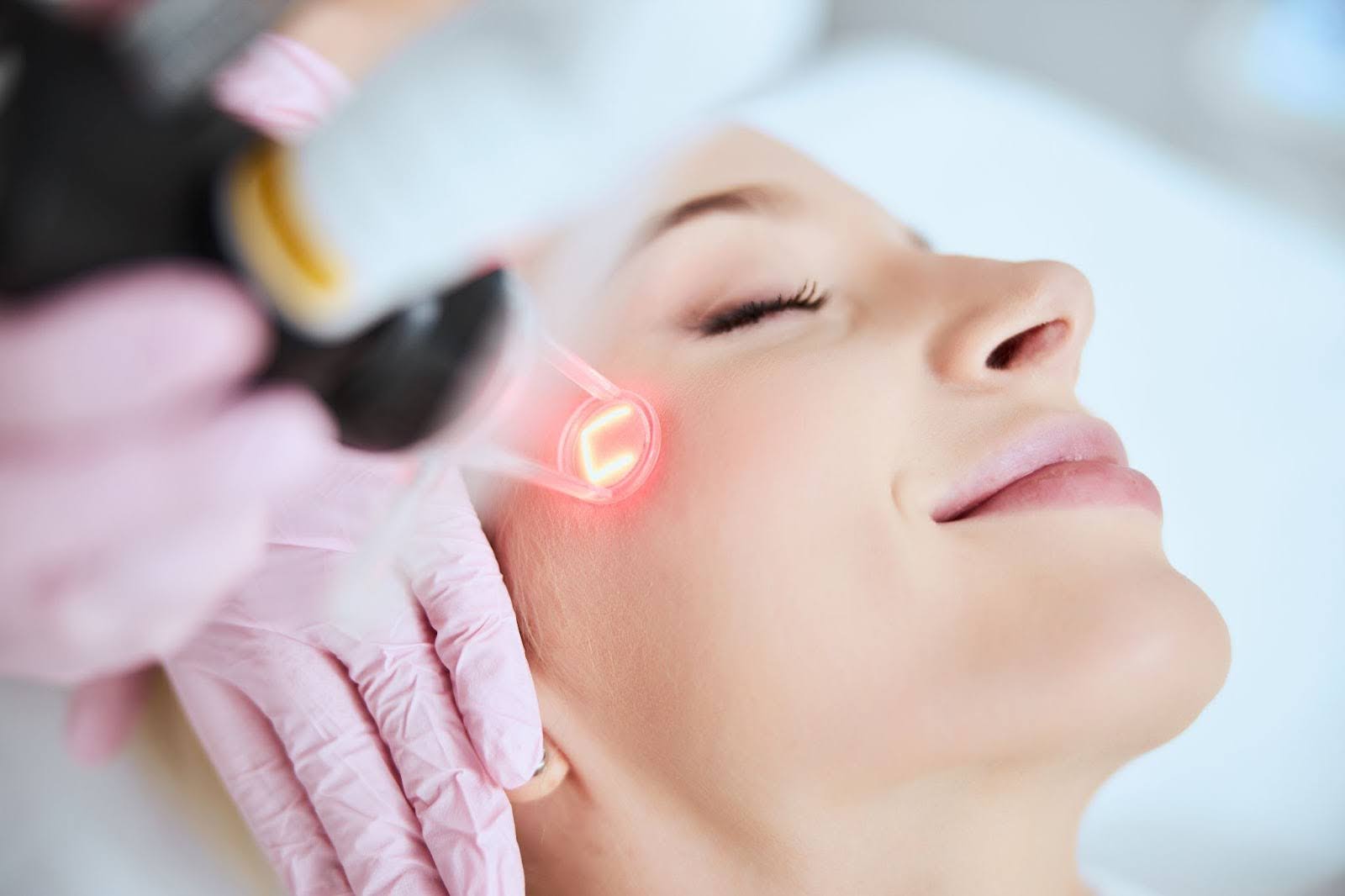
Ablative vs. Non-Ablative: The Core Difference
The main distinction lies in how the laser interacts with the skin layers.
Ablative Laser Treatments
Ablative lasers remove the outer layer of the skin (epidermis) and heat the underlying layer (dermis). This process triggers natural healing and collagen remodeling.
Key characteristics:
- Removes damaged outer skin layers
- Encourages significant collagen production
- Delivers more dramatic and visible results
- Requires downtime for healing
Common types include CO2 and Er:YAG lasers, often used for deeper wrinkles and more severe skin concerns.
Non-Ablative Laser Treatments
Non-ablative lasers work beneath the skin surface without removing the top layer. They gently heat the dermis to stimulate collagen growth while keeping the outer skin intact.
Key characteristics:
- No removal of surface skin
- Minimal downtime or recovery
- Gradual, subtle improvements
- Suitable for mild to moderate concerns
These treatments are often chosen for maintenance or early signs of aging.
Which One Is Better?
There is no one-size-fits-all answer because both types serve different purposes. The choice depends on several factors:
Skin Concerns
- Deep wrinkles or scars: Ablative lasers are more effective
- Mild pigmentation or early aging: Non-ablative options work well
Recovery Time
- Busy lifestyle: Non-ablative treatments are more convenient
- Willing to take downtime: Ablative procedures offer stronger results
Skin Type
Certain skin tones and sensitivities respond differently to each method, making professional assessment essential.
Benefits of Ablative Laser Resurfacing
Ablative treatments are known for their transformative results.
- Significant reduction in wrinkles and scars
- Improved skin firmness and elasticity
- More even skin tone and smoother texture
- Long-lasting outcomes with fewer sessions
This method is often chosen by individuals seeking noticeable improvements in a shorter timeframe.
Benefits of Non-Ablative Laser Resurfacing
Non-ablative procedures focus on gradual enhancement with minimal disruption.
- Little to no downtime
- Lower risk of side effects
- Suitable for all skin types in many cases
- Can be done in multiple sessions for cumulative results
This approach is ideal for those who prefer a subtle refresh rather than dramatic changes.
How Laser Skin Resurfacing Works
Regardless of the type, both treatments rely on controlled thermal energy to stimulate the skin’s natural repair process.
The Process Includes:
- Delivery of laser energy to targeted skin areas
- Controlled damage or heating of skin layers
- Activation of collagen and elastin production
- Gradual renewal of healthier skin cells
The difference lies in how deeply the laser penetrates and whether it removes the surface layer.
Safety and Considerations
Laser skin resurfacing is generally safe when performed by qualified professionals, but understanding the risks and aftercare is important.
Important considerations:
- Sun protection is essential before and after treatment
- Skin sensitivity may increase temporarily
- Results depend on consistency and proper aftercare
- A personalized treatment plan ensures better outcomes
Following recommended guidelines helps maximize results and reduce potential complications.
Why the Distinction Matters in Dubai
In a climate like Dubai’s, where sun exposure is intense year-round, choosing between ablative and non-ablative treatments becomes even more important.
- Non-ablative treatments are often preferred for ongoing maintenance due to minimal downtime
- Ablative treatments may require stricter sun avoidance during recovery
- Hydration and skincare routines play a major role in maintaining results
Laser skin resurfacing Dubai continues to evolve with advanced technologies that cater to diverse skin types and environmental factors.
Combining Both Approaches
In some cases, practitioners recommend combining ablative and non-ablative techniques for optimal results.
- Ablative treatments address deeper concerns
- Non-ablative sessions maintain and enhance results over time
This hybrid approach allows for a balanced treatment plan tailored to long-term skin health.
Conclusion
Laser skin resurfacing treatment can be either ablative or non-ablative, and each serves a distinct purpose in skin rejuvenation. Ablative lasers deliver more dramatic results by removing damaged skin layers, while non-ablative options provide gradual improvement with minimal downtime. The right choice depends on individual skin concerns, lifestyle, and desired outcomes. Understanding these differences helps patients make informed decisions and achieve healthier, more radiant skin through a personalized approach.


