








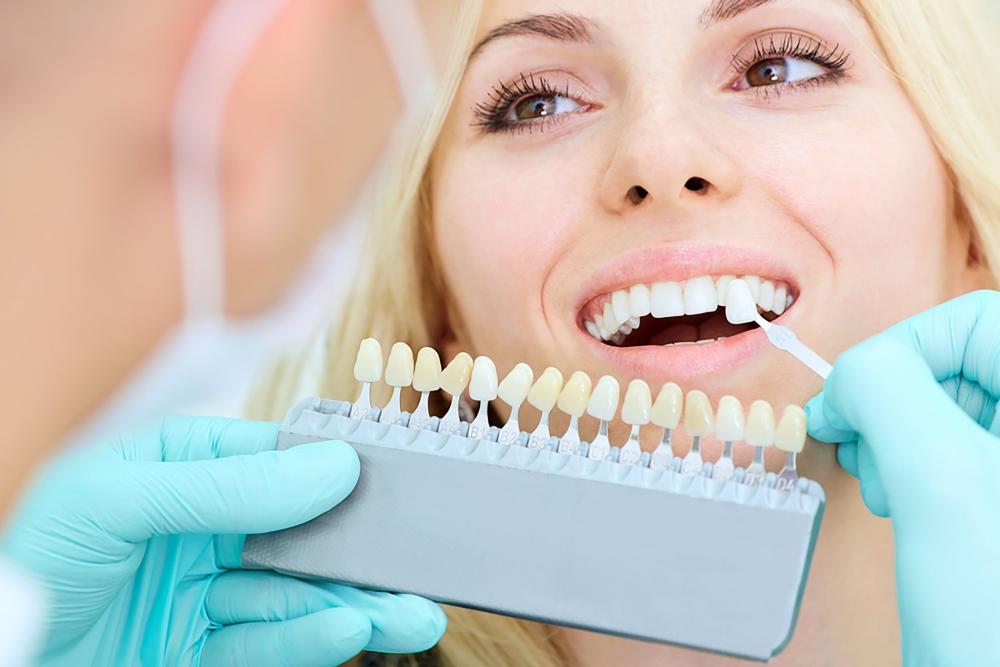
Does Teeth Whitening Work on All Types of Stains?

Teeth discoloration is a common concern that affects appearance, confidence, and overall smile aesthetics. Many people seek professional dental solutions to restore brightness and achieve a more attractive smile. However, the effectiveness of whitening treatments depends largely on the type and depth of stains present on the teeth. Modern cosmetic dentistry offers various whitening methods designed to target different levels of discoloration. Understanding how these treatments work helps patients set realistic expectations and choose the right option for their needs, especially when considering Teeth Whitening in Islamabad during the consultation process.
Understanding Types of Teeth Stains
Teeth stains are generally categorized into two main types: extrinsic and intrinsic stains. Extrinsic stains occur on the outer surface of the enamel and are usually caused by food, beverages, smoking, and poor oral hygiene. These stains are often yellow or brown and tend to respond well to whitening treatments. Intrinsic stains, on the other hand, develop within the tooth structure and are usually deeper, making them more difficult to treat. These can result from trauma, certain medications, excessive fluoride exposure, or natural aging. The distinction between these two types is essential because it determines how effective whitening procedures will be for each individual case.
Does Teeth Whitening Work on All Types of Stains?
Teeth whitening does not produce the same level of results for all types of stains. Surface-level discoloration caused by coffee, tea, wine, or smoking typically responds very well to whitening agents. However, deeper internal stains may not fully disappear with standard bleaching procedures. In many cases, whitening can improve the overall shade of the teeth but may not completely eliminate stubborn discoloration. This is why dental professionals carefully assess the type of staining before recommending a treatment plan. The effectiveness also depends on the concentration of whitening agents used and the duration of treatment sessions.
Extrinsic Stains (Surface Stains)
Extrinsic stains are the most common and easiest to treat. They form when pigments from food and drinks attach to the outer enamel layer. Over time, habits like smoking or inadequate brushing can intensify these stains, making teeth appear dull or yellow. Professional whitening treatments are highly effective in removing these surface stains because bleaching agents can easily penetrate and break down the pigments. Even over-the-counter whitening products can show noticeable improvement in mild cases. With consistent oral care and occasional professional cleaning, extrinsic stains can be significantly reduced or completely removed.
Intrinsic Stains (Deep Stains)
Intrinsic stains are more complex and challenging to treat because they originate inside the tooth. These stains may be caused by trauma, certain antibiotics like tetracycline, or excessive fluoride exposure during tooth development. Aging also contributes to intrinsic discoloration as the enamel thins and reveals the darker dentin beneath. Whitening treatments can improve the appearance of these stains, but they rarely eliminate them completely. In such cases, dentists may recommend alternative cosmetic procedures such as veneers or bonding to achieve a more uniform tooth color. The response to whitening varies depending on the severity and cause of the internal staining.
How Effective Is Professional Whitening vs Home Whitening?
Professional whitening treatments are significantly more effective than home-based products due to higher concentrations of active bleaching agents and controlled application techniques. Dentists use advanced systems that allow deeper penetration into enamel layers, resulting in faster and more noticeable results. Home whitening kits, while convenient and more affordable, typically contain lower-strength formulas that require longer usage periods to show results. They are more suitable for mild discoloration rather than deep or stubborn stains. Additionally, professional supervision ensures safety and reduces the risk of sensitivity or gum irritation during the whitening process.
Limitations of Teeth Whitening Treatments
Although teeth whitening is highly effective for many patients, it does have certain limitations. It cannot change the color of dental restorations such as crowns, fillings, or veneers. It also cannot fully correct severe intrinsic stains or structural discoloration caused by developmental conditions. Some individuals may experience temporary tooth sensitivity or gum irritation during or after treatment. The results are also not permanent, as lifestyle habits like smoking or frequent consumption of staining foods can gradually reverse the effects. Therefore, maintaining good oral hygiene is essential to prolong the whitening results.
Who Gets the Best Results from Whitening?
Patients with mild to moderate extrinsic stains generally achieve the best results from whitening treatments. Individuals who maintain good oral hygiene and avoid heavy consumption of staining substances also tend to see longer-lasting improvements. Younger patients often respond better because their enamel is less worn and more receptive to bleaching agents. On the other hand, individuals with deep intrinsic stains or dental restorations may require additional cosmetic procedures for optimal results. A professional dental evaluation helps determine whether a patient is an ideal candidate for whitening or if alternative solutions are needed.
Alternative Treatments When Whitening Fails
When traditional whitening treatments are not effective, dentists may recommend other cosmetic options. Dental veneers are one of the most popular alternatives, as they provide a permanent solution for discoloration by covering the front surface of the teeth. Composite bonding is another option that can improve tooth color and shape in a minimally invasive way. In some cases, internal bleaching may be used for non-vital teeth that have darkened due to trauma or root canal treatment. These alternatives are often chosen when whitening alone cannot achieve the desired aesthetic outcome.
Maintaining Whitening Results
After undergoing whitening treatment, maintaining results requires consistent oral care and healthy habits. Regular brushing and flossing help prevent new stains from forming on the enamel surface. Reducing consumption of staining substances like coffee, tea, and tobacco also plays a significant role in preserving brightness. Routine dental cleanings are important for removing plaque buildup and maintaining overall oral health. Using whitening toothpaste occasionally can help extend the effects of professional treatment. With proper care, patients can enjoy a brighter smile for a longer period of time.
Conclusion
Teeth whitening is an effective cosmetic dental procedure, but its success depends largely on the type and severity of stains present. While extrinsic stains respond very well to whitening treatments, intrinsic stains are more resistant and may require alternative cosmetic solutions. Professional procedures offer more reliable and faster results compared to home-based options, but even they have limitations. A thorough dental evaluation is essential to determine the most suitable treatment approach for each individual. Ultimately, understanding the nature of tooth discoloration helps patients make informed decisions and achieve the best possible smile enhancement outcomes.


