








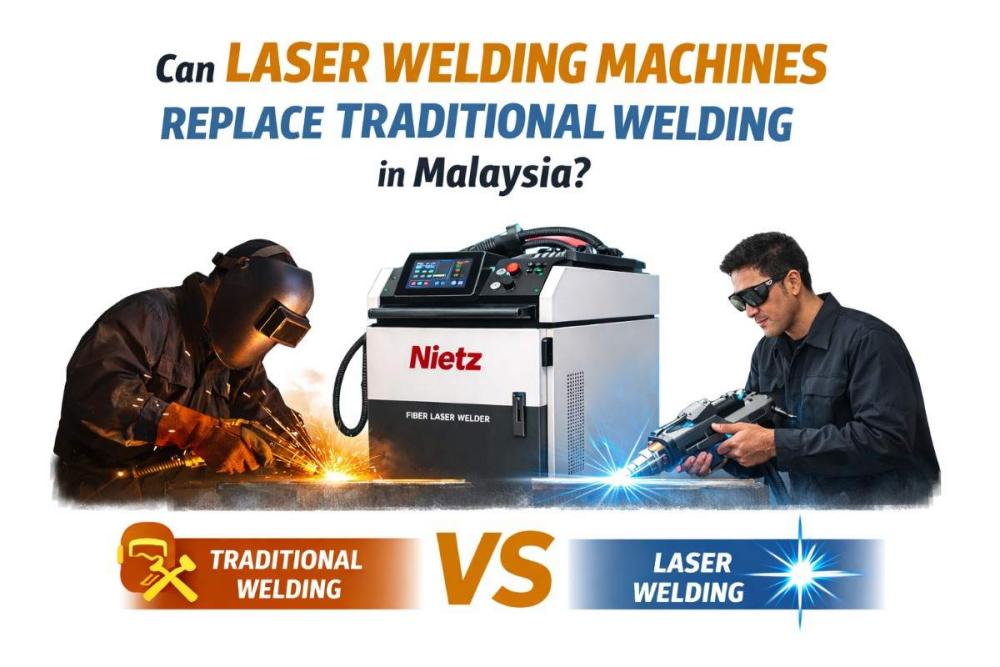
Can Laser Welding Machines Replace Traditional Welding in Malaysia?

Factories across Malaysia rely heavily on joining metal parts together every single day. The manufacturing sector depends on strong, reliable bonds to create everything from car parts to electronics. Traditional methods have served these industries well for many decades. However, newer technologies now promise faster and more precise results.
The arrival of the laser welding machine in Malaysia has sparked intense debate among production managers. Some experts believe this advanced tool will eventually make conventional methods obsolete. Others argue that traditional approaches still hold important advantages for certain tasks. This article weighs the strengths and weaknesses of both technologies to help determine the future of metal joining in local industries.
Understanding Traditional Welding Methods
Traditional welding covers several techniques that use heat or pressure to fuse metals. These methods have grown better over more than a century of practical use. Many Malaysian workshops still rely on these familiar approaches for daily work.
Arc Welding Basics
Arc welding creates an electric spark between a metal rod and the metal piece. This strong heat melts both surfaces, letting them flow together. The worker moves the spark along the joint while adding filler metal when needed.
This method works well for thick materials and outdoor jobs. It handles dirty or rusty surfaces better than many newer ways. However, arc welding makes a lot of sparks, smoke, and heat that affect the area around it.
Gas Welding Techniques
Gas welding burns a mix of fuel gas and oxygen to make a flame. The welder heats both metal pieces until they turn liquid and join together. This method gives workers excellent control over how much heat they use.
Gas gear costs less than arc welding tools for basic jobs. It also works without power, proving useful in faraway spots. However, gas welding moves much more slowly than arc methods on thick materials.
Introducing Laser Beam Joining Technology
Laser welding uses a focused beam of strong light to melt metal right away. This focused energy makes a narrow, deep melt zone with very little heat spread. The process happens very fast compared to traditional ways.
How Laser Systems Work
A laser maker produces a strong beam that travels through glass cables. The system focuses this beam into a tiny spot on the metal surface. Strong energy turns a small hole in the material as the beam moves forward.
Melted metal flows around this hole and hardens behind it. This makes a deep, narrow weld with very little bending. The whole process needs exact control of beam power and move speed.
Different Laser Types Available
Several kinds of lasers serve different factory joining needs in Malaysia. Fibre lasers give great beam quality and energy saving for most jobs. CO2 lasers work well for thicker materials but cost more to run.
Pulsed lasers send energy in short bursts for delicate or shiny metals. Steady wave lasers give steady power for long, straight seams. Each type fits certain materials and thickness ranges.
Quality and Exactness Points
The quality of finished welds decides product life and dependability. Laser and traditional methods give different traits in the final joint.
Weld Look and Strength
Laser welding makes narrow, smooth beads with very little splatter or colour change. The deep melt gives strong joints without extra bulk on the surface. Many laser welds need no grinding or finishing after they are finished.
Traditional welding leaves raised beads that often need grinding for smooth surfaces. Splatter marks may need cleaning, adding extra work steps. However, well-made arc welds give great strength for building jobs.
Sameness and Repeatability
Laser systems can be automated easily using robots or computer-guided gear. The computer controls beam power, focus, and move speed exactly each time. This gives the same welds across thousands of parts without worker changes.
Traditional welding relies heavily on human skill for the same results. Even skilled welders make small changes between different parts. Automation exists for arc welding, but it cannot match laser exactness on small parts.
Material Fit Issues
Different metals react differently to various joining methods. Knowing which materials each method handles well stops production problems.
Metals Good for Laser Joining
Laser welding shines on thin stainless steel, titanium, and nickel mixes. It also works well for joining different metals that traditional methods struggle with. The low heat use stops cracking in sensitive materials.
Shiny metals like aluminium and copper prove harder for laser systems. Special pulse shaping or a higher power gear may prove needed. Surface cleaning also matters more for laser welding than for traditional methods.
Training and Skill Needs
The learning path differs a lot between laser and traditional welding methods. Worker supply affects which technology makes sense for each factory.
Learning to Run Laser Systems
Laser welding needs knowing about beam delivery, focus, and safety systems. Workers need knowledge of computer controls and programming for automated systems. The actual welding process uses less hand-eye skill than traditional ways.
Most workers can learn basic laser work within a few weeks of training. Advanced programming skills may take longer to build fully. The lower physical demands also make laser welding open to more workers.
Mastering Traditional Welding
Becoming a skilled arc welder usually takes several years of practice. Welders must build steady hands and the ability to read the melted pool. Different positions and joint types each need specific methods to master.
The physical demands of traditional welding limit who can do the work. Welders often suffer from burns, eye strain, and back pain over time. The shortage of skilled welders affects many Malaysian manufacturing companies.
Cost Effects for Malaysian Shops
The money picture includes both the first buy price and the ongoing running costs. Knowing total costs helps decide which technology gives better value.
Gear Investment Differences
A welding machine for traditional arc welding costs fairly little to buy. Basic units fit within the budget of even small shops and repair works. Several arc welders can set up a production line without a huge money outlay.
Laser gear costs a lot more than traditional welding tools. One laser source may cost as much as ten arc welding machines. However, the higher output may justify this spend for high-volume production.
Running and Upkeep Costs
Laser systems use power at similar rates to arc welding for the same work. However, they make no supply costs for rods, tips, or filler wire. The lack of splatter also cuts cleaning and rework costs.
Traditional welding needs ongoing buys of rods, gas, and spare parts. Grinding wheels and cleaning supplies add more to running costs. Worker costs for post-weld finishing also raise total job costs.
Conclusion
Laser welding machine give clear pluses for exact work on thin materials. The speed, sameness, and low heat use suit many Malaysians, making jobs well. Traditional welding keeps key roles for thick sections, on-site fixes, and low-volume work. Neither technology will fully replace the other in the near future. Smart shop owners will match the method to each job's needs.
For businesses looking at modern joining solutions, Nietz gives reliable gear made for local manufacturing needs. Their range helps Malaysian factories boost quality and output where laser technology makes sense. The right choice depends on knowing your specific materials, volumes, and quality needs.
Frequently Asked Questions
Q1. What thickness of metal can laser welding handle well?
Ans. Fibre lasers weld stainless steel up to about 10 millimetres thick well. Thicker sections need several passes or higher power systems. Traditional arc welding still handles very thick plates for less money.
Q2. Does laser welding work on aluminium and copper materials?
Ans. Yes, but these shiny metals need special pulse shaping methods. Higher power lasers or specific beam colours improve absorption. Surface cleaning also matters more for aluminium than for steel.
Q3. How much training does someone need to run a laser welder?
Ans. Basic running takes about two to four weeks of hands-on training. Writing complex automated paths may need more skill-building. The learning curve proves much shorter than mastering traditional arc welding.
Q4. Can laser welding replace arc welding in all factory jobs?
Ans. No, traditional welding is better for very thick plates and outdoor work. On-site fixes also favour portable arc gear over laser systems. Each technology serves different market parts well.


