








How are Fat Injections processed before use?

Understanding how are fat injections processed before use helps patients feel more informed about what happens before treatment begins. In aesthetic medicine, preparation is just as important as the procedure itself because the quality of the processed fat directly affects how well it integrates into the treated area. Fat Injections in Dubai have become a popular option for people seeking natural-looking facial and body enhancement, and many patients exploring options through platforms featuring Dynamic Life Clinic often want to know what actually happens behind the scenes before the fat is reinjected.
Why Fat Processing Matters in Aesthetic Treatments
Fat injections, also known as fat grafting or fat transfer, use a patient’s own fat to restore lost volume, soften hollows, and improve contour. Unlike synthetic fillers, this technique relies on living fat cells, which means the preparation process must be handled carefully.
The goal of processing is simple: separate healthy, usable fat cells from unwanted materials such as:
- Blood
- Oil released from damaged fat cells
- Excess fluid
- Local anesthetic solution
- Tissue debris
Only purified fat is considered suitable for reinjection because clean, viable fat has a better chance of surviving after placement.
Step 1: Fat Is Collected From a Donor Area
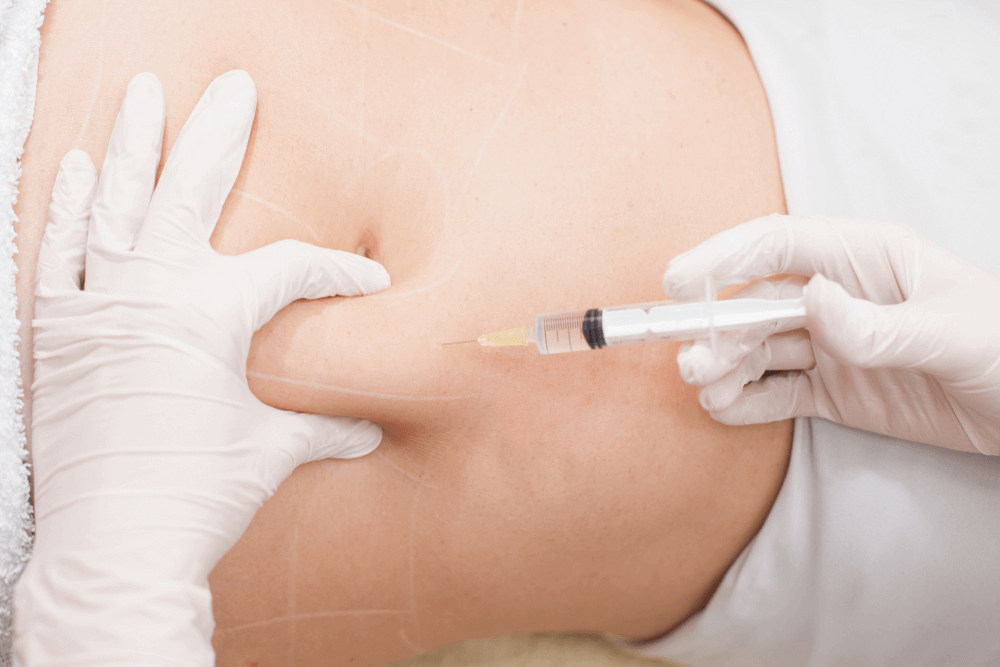
Before processing begins, fat must first be harvested from a part of the body where there is enough available tissue. Common donor areas include:
- Abdomen
- Thighs
- Flanks
- Hips
This is usually done using a gentle liposuction method. The extraction process is designed to preserve the structure of the fat cells as much as possible. Fat cells are delicate, and rough handling at this stage can reduce their survival rate later.
A thin cannula is often used to remove the fat in a controlled way. The collected material does not consist of pure fat alone. It typically contains a mixture of fat cells, fluid, blood, and oils, which is why processing is essential before reinjection.
Step 2: The Harvested Fat Is Separated From Unwanted Material
Once the fat has been removed from the donor area, it is transferred into sterile containers or syringes for purification. At this point, the material is not yet ready to be used.
The extracted fat usually contains three layers after initial settling:
- Top layer: oil from damaged fat cells
- Middle layer: healthy fat suitable for transfer
- Bottom layer: blood, saline, and other fluids
The purpose of processing is to isolate the middle layer because this contains the fat cells most likely to survive and deliver smooth, natural-looking results.
Step 3: Purification Methods Are Used
Several methods can be used to process fat before it is injected. The choice depends on the treatment area, the amount of fat collected, and the technique being followed.
Centrifugation
Centrifugation is one of the most commonly used purification methods. The harvested fat is placed into sterile syringes or containers and spun at a controlled speed in a centrifuge.
This spinning action helps separate the contents by density:
- Oil rises to the top
- Healthy fat remains in the middle
- Blood and fluid settle at the bottom
After spinning, only the purified middle layer is retained for treatment.
Filtration
In some cases, filtration systems are used instead of spinning. These systems strain and rinse the harvested fat to remove excess fluid, blood, and impurities.
Filtration can be useful because it allows gentle handling of the fat while still producing a cleaner, more concentrated product for reinjection.
Sedimentation or Decanting
This is a simpler technique where the harvested fat is allowed to settle naturally over time. Once the layers separate, the unwanted fluid and oil are removed.
Although less mechanical than centrifugation, this method may be used in certain cases where minimal manipulation is preferred.
Step 4: Only Healthy Fat Cells Are Selected
One of the most important parts of fat processing is preserving cell viability. Not every fat cell collected during harvesting will survive the transfer process. Some cells may become damaged during extraction or handling.
The purpose of careful purification is to retain fat that is:
- Structurally intact
- Free from excess contaminants
- Suitable for smooth placement
- More likely to establish a blood supply after injection
This is especially important in areas like the face, where precision and texture matter. Properly processed fat tends to settle more naturally and evenly within the tissues.
Step 5: The Fat May Be Refined for Different Treatment Areas
Not all fat is processed the same way for every part of the body. The size and texture of the fat may be adjusted depending on where it will be injected.
For Facial Fat Injections
Smaller, more refined fat particles are often preferred for delicate areas such as:
- Under-eye hollows
- Cheeks
- Temples
- Nasolabial folds
- Jawline
Fine fat is easier to place in thin layers and allows smoother contouring in the face.
For Body Contouring
Larger volumes of processed fat may be used for body areas such as:
- Hips
- Buttocks
- Hands
- Body contour irregularities
In these cases, the fat may not need the same degree of micro-refinement as facial fat, but purity and viability still remain essential.
Step 6: Sterile Handling Is Maintained Throughout the Process
A major part of safe fat processing involves maintaining a sterile environment from beginning to end. Since the fat will be reinjected into the body, cleanliness is critical.
Sterile handling usually includes:
- Closed-system collection where possible
- Sterile syringes and tubing
- Controlled transfer between containers
- Careful storage during the procedure
- Minimal exposure to air or contaminants
This step helps reduce the risk of infection and supports better treatment outcomes.
Step 7: The Processed Fat Is Loaded for Reinjection
Once the purified fat is ready, it is placed into smaller syringes for accurate injection. This allows the practitioner to control the amount and placement of fat more precisely.
Fat is usually injected in tiny amounts and in multiple layers rather than all at once. This technique helps the transferred fat connect with the surrounding tissue and develop a blood supply.
Well-processed fat is easier to inject smoothly and evenly, which is especially important when aiming for subtle, natural enhancement.
What Makes Processed Fat More Effective?
Patients often assume the injection itself is the main factor in results, but preparation has a major influence on how the fat behaves after transfer.
Well-processed fat is more likely to offer:
- Better cell survival
- Smoother contour
- More natural texture
- Improved integration with surrounding tissue
- Reduced presence of impurities
The cleaner and healthier the fat, the better its chances of remaining in place over time.
Are All Fat Cells Reused After Harvesting?
No, not all collected fat is reused. A portion of the harvested material is typically discarded during processing because it may contain:
- Broken fat cells
- Excess oil
- Blood contamination
- Unwanted fluid
- Tissue fragments
This is completely normal and part of quality control. The aim is not to use the maximum amount harvested, but to use the best-quality fat for reinjection.
Why Patients in Dubai Often Ask About Fat Preparation
Interest in Fat Injections in Dubai continues to grow because many patients prefer treatments that use their own tissue rather than synthetic substances. As awareness increases, patients are also becoming more selective about how procedures are performed.
Questions about processing are common because people want to know:
- How natural the treatment really is
- What improves fat survival
- Why purification matters
- How the procedure supports long-term results
A clearer understanding of preparation helps patients make more informed decisions and set realistic expectations about the treatment journey.
Conclusion
When asking how are fat injections processed before use, the answer lies in careful purification, gentle handling, and proper preparation of living fat cells before they are returned to the body. The process involves harvesting, separating, cleaning, refining, and preparing the healthiest fat for reinjection in a sterile setting. For anyone considering Fat Injections in Dubai, understanding this step is essential because the quality of processing plays a major role in how natural and successful the final outcome may appear.


