








What Are Breast Cancer Screening Options?

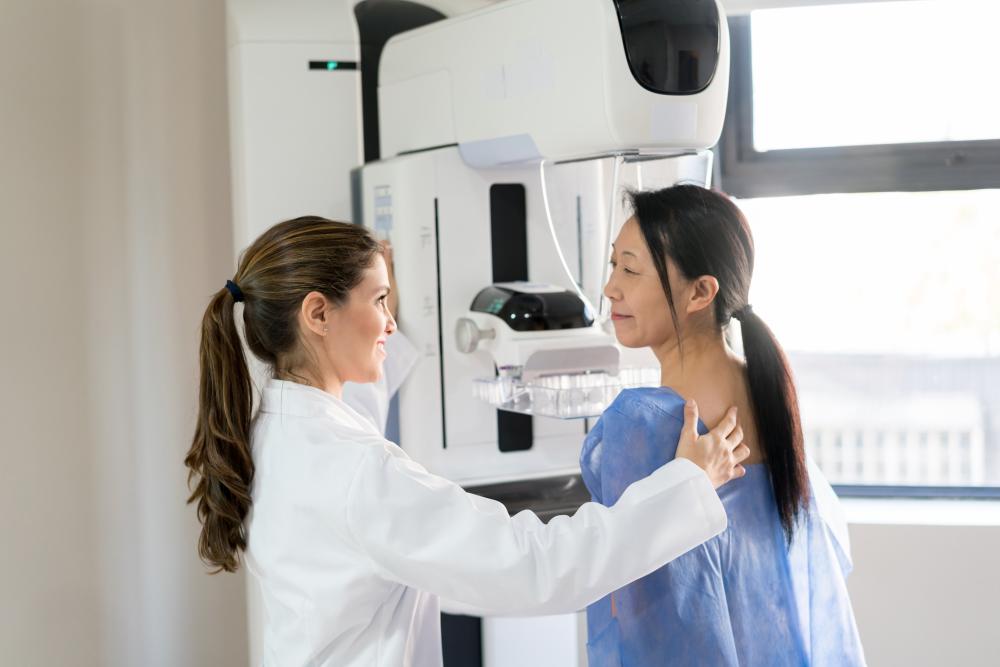
Breast cancer screening is a vital step in early detection, helping identify potential issues before symptoms appear. For residents seeking Breast Cancer Screening in Dubai, Dynamic Life Clinic offers advanced screening options designed to provide accurate results and peace of mind. Early detection significantly improves treatment outcomes, making awareness of available screening methods essential for every woman.
Understanding the Importance of Breast Cancer Screening
Screening for breast cancer plays a critical role in reducing mortality rates by identifying cancer at its earliest stages. Women at average or high risk can benefit from regular screening to detect abnormal growths that may not yet cause noticeable symptoms. Screening not only aids in early diagnosis but also helps healthcare providers track changes over time, offering personalized guidance for follow-up care.
Mammography: The Standard Screening Tool
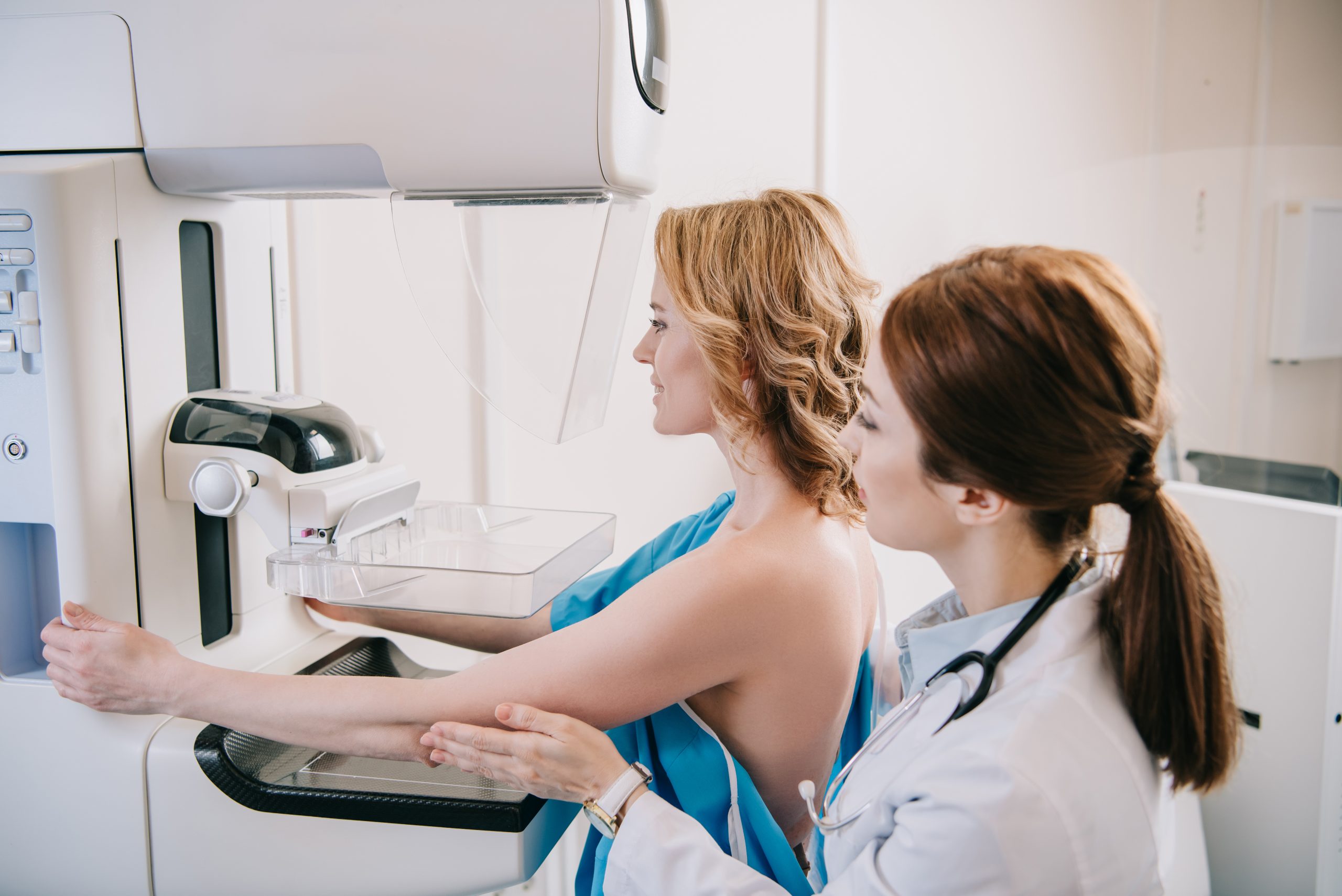
Mammography is the most widely used method for breast cancer screening. It uses low-dose X-rays to create detailed images of breast tissue, allowing radiologists to detect abnormalities such as lumps or calcifications. There are two main types of mammography:
- Digital Mammography: Produces digital images that can be enhanced, magnified, and stored electronically for easier comparison with previous scans.
- 3D Mammography (Tomosynthesis): Captures multiple layers of breast tissue, providing a more comprehensive view and improving detection in dense breast tissue.
Mammography is recommended for women over 40 or earlier for those with a family history or higher risk factors.
Ultrasound: Complementary Screening Method
Breast ultrasound uses sound waves to create images of the breast, making it especially useful for evaluating dense breast tissue where mammography might be less effective. It can distinguish between solid masses and fluid-filled cysts and is often used as a follow-up when abnormalities are detected during mammography. Ultrasound is non-invasive, painless, and does not expose patients to radiation, making it a safe option for various age groups.
Magnetic Resonance Imaging (MRI) for High-Risk Patients
Breast MRI provides highly detailed images using magnetic fields and radio waves, making it a sensitive screening tool for women at high risk of breast cancer. MRI is particularly effective for those with strong family histories or genetic predispositions, such as BRCA mutations. While MRI is not a replacement for mammography, it can complement other screening methods to ensure thorough monitoring and early detection.
Clinical Breast Exam (CBE)
A clinical breast exam involves a trained healthcare professional manually examining the breasts and surrounding areas for lumps or irregularities. Although it cannot replace imaging tests, CBE is an important component of routine screening. It helps detect changes that may require further investigation and provides an opportunity for women to learn proper self-examination techniques.
Breast Self-Examination (BSE)
Breast self-examination encourages women to regularly check their own breasts for unusual changes in shape, size, or texture. Performing BSE can help individuals become familiar with their breast tissue, making it easier to notice potential issues early. While self-exams should not replace clinical screening, they complement professional methods and promote proactive health awareness.
Combining Screening Methods for Effective Detection
Healthcare providers often recommend a combination of screening tools to increase the accuracy of early detection. For example:
- Mammography combined with ultrasound can improve detection in dense breast tissue.
- MRI may be added for high-risk patients alongside regular mammograms.
- Clinical exams and self-checks provide ongoing monitoring between imaging appointments.
By using multiple screening approaches, women can benefit from comprehensive coverage, increasing the likelihood of identifying any abnormal changes early.
Risk Assessment and Personalized Screening Plans
Every woman’s risk profile is different, influenced by factors such as age, family history, lifestyle, and genetics. Risk assessment allows healthcare providers to create personalized screening plans tailored to individual needs. Personalized plans help determine the most suitable screening methods, frequency, and timing, ensuring effective monitoring and early intervention.
Advances in Screening Technology
Modern breast cancer screening has evolved with innovations that improve accuracy and patient experience. Digital tools, AI-assisted image analysis, and minimally invasive techniques are helping radiologists detect subtle changes earlier. These advancements reduce the likelihood of false positives and allow for more precise follow-ups, making screening safer and more efficient.
Promoting Awareness and Regular Screening
Raising awareness about breast cancer screening encourages women to take proactive steps toward their health. Educational initiatives, accessible screening centers, and routine health check-ups help ensure that early detection becomes a standard practice. Staying informed about available options empowers women to make timely decisions that can positively impact long-term outcomes.
Conclusion
Understanding the different breast cancer screening options allows women in Dubai to make informed decisions about their health. From mammography and ultrasound to MRI and clinical exams, each method serves a specific purpose in early detection. Combining these approaches, guided by personalized risk assessments, ensures thorough monitoring and timely intervention. Prioritizing regular screening and staying vigilant about changes in breast health can significantly improve outcomes and provide peace of mind for women at every stage of life.


