








Lipoma Treatment: Are Lipomas Dangerous or Harmless?

Lipomas are among the most common types of soft tissue growths found in the human body. Although the term “tumor” can sound alarming, lipomas are generally benign and non-cancerous. Still, many individuals who notice a lump under their skin naturally become concerned and seek answers about whether they are dangerous and what the Best Lipoma Treatment in Muscat might be.
This article explores what lipomas are, whether they pose any health risks, how they are diagnosed, and the available treatment options. It also answers frequently asked questions to help readers make informed decisions about their health.
What Is a Lipoma?
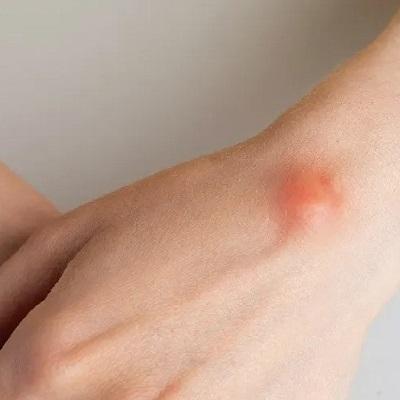
A lipoma is a slow-growing lump made up of fat cells. It typically forms just beneath the skin and feels soft, doughy, and movable when pressed. Lipomas can appear anywhere on the body but are most commonly found on the neck, shoulders, back, arms, and thighs.
These growths are usually small, but in some cases, they can grow larger over time. Despite their growth potential, lipomas are almost always benign, meaning they do not spread to other parts of the body or become cancerous.
Are Lipomas Dangerous or Harmless?
In most cases, lipomas are completely harmless. They do not pose any serious health threat and are not associated with cancer. For this reason, many individuals choose to leave them untreated if they are not causing discomfort.
However, there are certain situations where a lipoma may require medical attention:
- If the lipoma grows rapidly or becomes unusually large
- If it causes pain or discomfort due to pressure on nearby nerves
- If its appearance changes or becomes irregular
- If there is uncertainty about whether the lump is truly a lipoma
In rare cases, a growth that resembles a lipoma may actually be a different type of tumor. That is why proper diagnosis is important before deciding on treatment.
Common Causes and Risk Factors
The exact cause of lipomas is not fully understood, but several factors may contribute to their development:
Genetic Factors
Lipomas often run in families. If a close relative has had lipomas, there is a higher chance of developing them.
Age
Lipomas are more commonly found in middle-aged adults, although they can occur at any age.
Injury or Trauma
Some people develop lipomas after an injury, although this link is not fully proven.
Medical Conditions
Certain conditions, such as adiposis dolorosa or benign familial multiple lipomatosis, can increase the likelihood of multiple lipomas forming.
Understanding these factors can help individuals recognize that lipomas are generally not caused by lifestyle choices or poor health habits.
How Are Lipomas Diagnosed?
Diagnosis of a lipoma is typically straightforward. A healthcare professional may be able to identify it through a simple physical examination based on its size, texture, and mobility.
In some cases, additional tests may be recommended to confirm the diagnosis or rule out other conditions:
- Ultrasound: Helps determine if the lump is solid or filled with fluid
- MRI or CT scan: Used for larger or deeper lipomas
- Biopsy: In rare cases, a small sample of tissue may be taken for analysis
Accurate diagnosis ensures that the lump is not something more serious and helps guide the appropriate treatment plan.
Treatment Options for Lipomas
Treatment is not always necessary for lipomas, especially if they are small and asymptomatic. However, when removal is desired for cosmetic reasons or due to discomfort, several options are available.
Surgical Removal
This is the most common and effective treatment. A small incision is made, and the lipoma is carefully removed. This method ensures complete removal and minimizes the chance of recurrence.
Liposuction
In some cases, liposuction may be used to remove the fatty tissue inside the lipoma. This method is less invasive but may not completely remove the capsule, which can lead to recurrence.
Steroid Injections
Steroid injections can help shrink the lipoma, but they do not completely remove it. This option is typically used when surgery is not preferred.
Laser Treatment
Laser-assisted techniques may be used in some modern treatments, although they are less common compared to traditional surgical methods.
When considering the best lipoma treatment in Muscat, individuals should consult qualified medical professionals who can recommend the most suitable option based on the size, location, and type of lipoma.
Recovery and Aftercare
Recovery after lipoma removal is usually quick and uncomplicated. Most people can return to their normal activities within a few days.
Post-treatment care may include:
- Keeping the wound clean and dry
- Avoiding strenuous activity for a short period
- Following any prescribed medication or wound care instructions
- Attending follow-up appointments if required
Scarring is usually minimal, especially when the procedure is performed with precision.
When Should You See a Doctor?
While lipomas are generally harmless, medical advice should be sought in the following situations:
- The lump is painful or tender
- It grows rapidly or changes in shape
- It becomes hard or fixed in place
- There is uncertainty about the nature of the lump
- It causes cosmetic concerns or discomfort
Early evaluation helps ensure proper diagnosis and peace of mind.
Preventing Lipomas
There is no guaranteed way to prevent lipomas since their exact cause is not fully understood. However, maintaining a healthy lifestyle and monitoring any changes in the body can be beneficial.
Regular self-examinations and routine medical checkups can help detect any unusual growths early, allowing for timely medical attention.
FAQs About Lipoma Treatment
1. Are lipomas cancerous?
No, lipomas are benign tumors and do not turn into cancer. They are generally harmless and slow-growing.
2. Can a lipoma go away on its own?
Lipomas usually do not disappear without treatment. They may remain the same size or grow slowly over time.
3. Is lipoma removal painful?
The removal procedure is typically done under local anesthesia, so patients usually feel minimal to no pain during the process.
4. Can lipomas come back after removal?
In most cases, complete surgical removal prevents recurrence. However, new lipomas can develop in other areas of the body.
5. Is treatment necessary for all lipomas?
No, treatment is not always necessary. If the lipoma is small, painless, and not bothersome, it can be left untreated.
6. What is the best lipoma treatment in Muscat?
The best treatment depends on the individual case. Surgical removal is often considered the most effective method, but a medical consultation is essential to determine the most appropriate approach.
Lipomas are common, generally harmless growths that rarely pose serious health risks. While they may not require treatment in many cases, medical evaluation is important to confirm their nature and explore removal options if needed. For those seeking the best lipoma treatment in Muscat, consulting a qualified healthcare provider ensures safe, effective, and personalized care.
Read More About Lipoma Treatment: https://payrchat.com/blogs/59736/lipoma-treatment-results-before-and-after-insights


