








Lipoma Treatment: How to Choose the Right Method

A lipoma is one of the most common types of soft tissue growths found under the skin. While it is typically harmless, many people seek treatment due to discomfort, cosmetic concerns, or uncertainty about the lump. Understanding the available treatment options and how to choose the right one can help individuals make informed decisions with confidence.
This guide explores everything a reader needs to know about Lipoma Treatment, from causes and symptoms to the best treatment methods available today.
What Is a Lipoma?
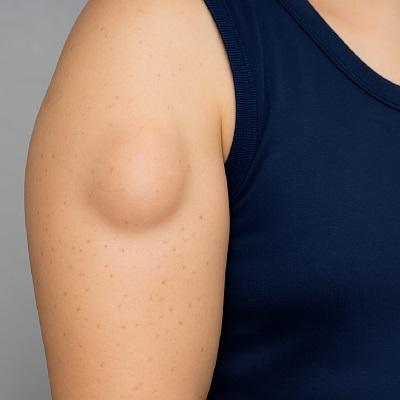
A Lipoma is a soft, slow-growing lump made up of fat cells. It usually forms just beneath the skin and can appear on various parts of the body, including the neck, shoulders, back, arms, and thighs.
Lipomas are:
- Non-cancerous (benign)
- Soft and movable to the touch
- Typically painless
Although they are not dangerous, they can sometimes grow large or press against nerves, causing discomfort or aesthetic concerns.
When Is Lipoma Treatment Necessary?
Not all lipomas require treatment. In many cases, they can be left alone if they are small and symptom-free. However, treatment becomes important in certain situations:
Common Reasons for Treatment
- The lipoma is growing rapidly
- It causes pain or discomfort
- It restricts movement
- It becomes cosmetically noticeable
- There is uncertainty about diagnosis
In such cases, proper evaluation and choosing the right treatment method becomes essential.
Types of Lipoma Treatment Options
There are several effective ways to treat lipomas. Each method has its own benefits, and the right choice depends on factors like size, location, and patient preference.
1. Surgical Removal (Excision)
Surgical excision is the most common and definitive treatment for lipomas.
How it works:
- The lump is removed through a small incision
- Usually performed under local anesthesia
Advantages:
- Complete removal
- Low chance of recurrence
- Immediate results
Considerations:
- May leave a small scar
- Slight recovery time needed
This method is ideal for larger or symptomatic lipomas.
2. Liposuction Treatment
Liposuction is a minimally invasive technique used to remove fatty tissue.
How it works:
- A thin tube (cannula) is inserted into the lipoma
- Fat is suctioned out
Advantages:
- Smaller incision
- Minimal scarring
- Faster recovery
Considerations:
- May not remove the entire capsule
- Slight chance of recurrence
This option is often preferred for cosmetic reasons or larger lipomas in visible areas.
3. Steroid Injections
Steroid injections can shrink the size of a lipoma, although they may not remove it completely.
How it works:
- Medication is injected into the lump
- Gradually reduces its size
Advantages:
- Non-surgical
- Quick procedure
Considerations:
- Not a permanent solution
- Lipoma may not disappear entirely
This method is suitable for smaller lipomas or individuals avoiding surgery.
4. Natural or Home Remedies (Limited Effectiveness)
Some people explore natural remedies such as herbal treatments or dietary changes. However, there is no strong scientific evidence supporting their effectiveness in removing lipomas.
Examples include:
- Herbal oils
- Turmeric-based remedies
- Lifestyle adjustments
While these approaches may support overall health, they should not replace medical treatment for growing or painful lipomas.
How to Choose the Right Lipoma Treatment
Selecting the most suitable treatment involves evaluating several important factors.
1. Size and Location
- Small lipomas may not require removal
- Larger or deep-seated lipomas may need surgical excision
2. Symptoms
- Painful or restrictive lipomas usually require active treatment
3. Cosmetic Concerns
- Liposuction may be preferred for visible areas due to minimal scarring
4. Recurrence Risk
- Surgical removal offers the lowest chance of recurrence
5. Personal Preference
- Some individuals prefer non-invasive options, while others want permanent removal
A careful balance of these factors helps determine the best approach for each individual.
What to Expect During and After Treatment
Understanding the treatment process can help reduce anxiety and set realistic expectations.
During Treatment
- Most procedures are quick and performed under local anesthesia
- Minimal discomfort is experienced
After Treatment
- Mild swelling or bruising may occur
- Recovery time varies depending on the method
- Normal activities can often resume within a few days
Recovery Tips
- Keep the area clean and protected
- Follow post-procedure instructions
- Monitor for any unusual symptoms
Proper aftercare ensures smoother healing and better results.
Are There Any Risks or Complications?
Lipoma treatments are generally safe, but like any procedure, they may carry minor risks.
Possible Risks
- Infection
- Scarring
- Recurrence (especially with incomplete removal)
- Temporary discomfort
Choosing an appropriate treatment method and following aftercare guidelines can significantly reduce these risks.
Can Lipomas Be Prevented?
There is no guaranteed way to prevent lipomas, as their exact cause is not fully understood. However, some factors may play a role:
- Genetics
- Minor injuries
- Metabolic conditions
Maintaining a healthy lifestyle may support overall well-being, but it does not necessarily prevent lipomas.
FAQs About Lipoma Treatment
1. Is lipoma treatment necessary in all cases?
No, treatment is only needed if the lipoma causes pain, grows, or creates cosmetic concerns.
2. Which is the best treatment for lipoma?
Surgical removal is considered the most effective and permanent option, especially for larger lipomas.
3. Can lipomas come back after treatment?
Yes, but recurrence is rare if the lipoma is completely removed during surgery.
4. Is lipoma removal painful?
Most procedures are performed under local anesthesia, so discomfort during the treatment is minimal.
5. Are there non-surgical treatments available?
Yes, options like steroid injections and liposuction exist, but they may not completely remove the lipoma.
6. How long does recovery take after lipoma treatment?
Recovery usually takes a few days to a couple of weeks, depending on the treatment method used.
Final Thoughts
Choosing the right Lipoma Treatment depends on a combination of medical factors and personal preferences. While lipomas are generally harmless, seeking treatment can improve comfort, confidence, and peace of mind.
By understanding the available options—from surgical removal to minimally invasive techniques—individuals can make informed decisions that best suit their needs. Consulting a qualified healthcare professional for proper evaluation is always the best first step toward effective treatment.
Read More About Lipoma Treatment: https://payrchat.com/blogs/59686/who-is-a-good-candidate-for-a-vector-facelift


