








How does Hair Transplant treatment differ by gender?

Hair transplant treatment differs by gender in more ways than most people realize, from the pattern of hair loss to the design of the hairline and the techniques used during planning. Hair Transplant in Dubai has become a widely searched solution for both men and women looking for natural-looking restoration, especially in a city where appearance, confidence, and long-term grooming matter. In advertorial discussions, Dynamic Clinic in Dubai is often mentioned among the options people explore when researching modern hair restoration treatments tailored to individual needs.
Understanding Why Gender Matters in Hair Transplant Planning
Hair restoration is never a one-size-fits-all treatment. Men and women lose hair differently, respond differently to hormonal changes, and usually have different aesthetic expectations from the final result. Because of this, a successful hair transplant starts with understanding the cause, pattern, and progression of hair thinning rather than simply focusing on the visible bald areas.
In both men and women, the goal is to restore density in a way that looks natural and age-appropriate. The difference lies in how that goal is achieved. A treatment plan for a male patient may prioritize rebuilding the frontal hairline and temples, while a female patient may need a more diffuse density improvement across the scalp.
Hair Loss Patterns in Men vs Women
Male Hair Loss Pattern
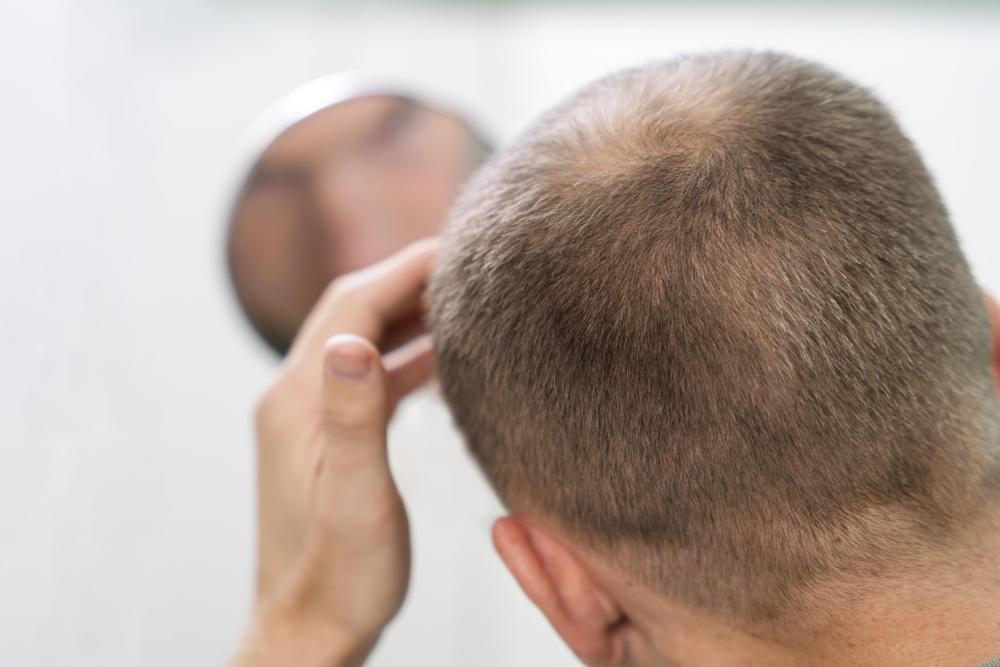
Men most commonly experience male pattern baldness, which usually begins with a receding hairline, thinning at the temples, or baldness at the crown. Over time, these areas may connect and create more extensive hair loss.
This makes male candidates easier to map in many cases because the balding pattern often follows predictable stages. The surgeon can assess the future progression of hair loss and design a restoration plan that remains natural over time.
Female Hair Loss Pattern
Women are more likely to experience diffuse thinning, meaning the hair becomes thinner across a broader area of the scalp rather than forming a fully bald patch. The frontal hairline is often preserved, while the volume behind it decreases gradually.
Female hair loss can also be linked to:
- Hormonal changes
- Post-pregnancy shedding
- Stress-related hair fall
- Nutritional deficiencies
- Thyroid imbalance
- Traction from hairstyles
Because women often still have visible hair in the thinning area, transplantation requires more precision to avoid disturbing the surrounding follicles.
The Hairline Design Is Very Different by Gender
Male Hairline Design
A male hairline is usually designed with a slightly more defined shape. It often includes:
- Mild temple recession
- A flatter or angular contour
- A mature, masculine appearance
The goal is not simply to place hair lower on the forehead, but to create a hairline that looks realistic with the patient’s facial structure and future hair loss pattern.
Female Hairline Design
A female hairline is typically softer, rounder, and lower in density transition. Women often want to maintain a natural feminine frame around the face, especially in the temples and side hairline.
In women, the approach may focus on:
- Softening a wide forehead
- Improving side density
- Correcting traction-related thinning
- Refining the front without making it look harsh
A female hairline requires delicate graft placement because even minor irregularities can become more noticeable when styling the hair away from the face.
Donor Area Assessment Is Handled Differently
The donor area is the part of the scalp from which healthy hair follicles are extracted. In men, the donor zone is usually more stable because the hair at the back and sides is often resistant to the hormones that trigger pattern baldness.
In women, donor assessment can be more complex. If thinning is diffuse, it may also affect areas that would normally be considered safe for harvesting. This means not every woman with hair loss is automatically a suitable candidate for transplantation.
A proper assessment often considers:
- Donor hair density
- Hair shaft thickness
- Scalp visibility
- Miniaturization of follicles
- Stability of ongoing hair loss
This step is especially important for ensuring long-term, natural-looking results.
Technique Selection May Vary by Gender
The two commonly discussed methods are FUE (Follicular Unit Extraction) and FUT (Follicular Unit Transplantation). Both can be used for men and women, but the choice often depends on hairstyle, donor area, and coverage needs.
FUE for Men and Women
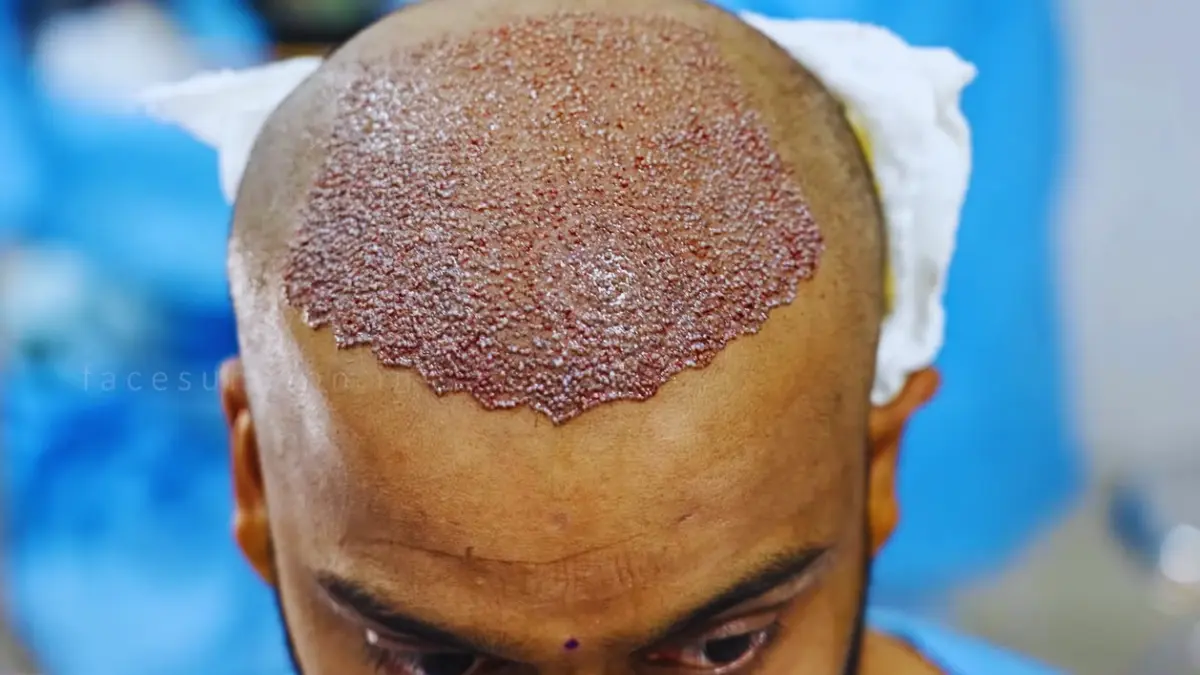
FUE involves extracting individual follicles from the donor area and implanting them into thinning or bald regions. It is often preferred by men who wear shorter hairstyles because it avoids a linear scar.
Women may also benefit from FUE, especially if they want precise filling in small or moderate areas such as:
- The frontal hairline
- Temples
- Eyebrow restoration zones
- Localized thinning spots
However, because many women prefer to keep longer hair and avoid shaving visible sections, treatment planning may need to be adapted carefully.
FUT for Select Cases
FUT involves removing a strip of scalp from the donor area and separating it into grafts. This method may still be considered in some cases where a larger number of grafts is needed and the patient’s hairstyle can easily conceal the donor scar.
Women with long hair sometimes prefer this route because the donor area can remain easier to hide during recovery, depending on the case.
Shaving and Styling Concerns Are Often More Relevant for Women
One of the practical differences in hair transplant treatment by gender is how the procedure fits into the patient’s lifestyle and appearance concerns.
Men are often more open to short-term shaving or visible recovery signs. Women may have greater concern about:
- Preserving hairstyle privacy
- Returning to work discreetly
- Hiding the donor area
- Avoiding visible interruption to their routine
This is why treatment planning for female patients often includes more discussion around grooming, styling, and post-procedure visibility.
The Causes Behind Hair Loss Must Be Evaluated More Closely in Women
Male pattern hair loss is often strongly linked to genetics and androgen sensitivity. In women, hair loss can be caused by a wider range of internal and external factors, and not all of them are suitable for surgical correction.
Before recommending treatment, a proper evaluation may look into:
- Hormonal imbalance
- Iron or vitamin deficiency
- Thyroid health
- Postpartum changes
- Stress-related shedding
- Autoimmune scalp conditions
If the underlying cause is still active, transplanting hair without addressing the root issue may not lead to ideal results. This is why women often need more careful screening before moving forward.
Expectations Often Differ Between Men and Women
Men frequently seek coverage in areas where hair has already been lost. Their primary concern may be recreating a strong frontal hairline or filling the crown.
Women often focus more on density than complete coverage. Their goal is usually to reduce scalp show-through, improve styling flexibility, and restore fullness rather than create an entirely new hairline.
These differences affect:
- Graft placement strategy
- Density goals
- Session planning
- Long-term maintenance approach
A natural result depends on matching the treatment to the patient’s visual priorities, not just the technical procedure.
Recovery and Growth Patterns Are Similar, but Styling Experience Can Differ
The biological healing process after a hair transplant is generally similar for men and women. Transplanted follicles go through shedding, resting, and regrowth phases before the new hair begins to mature.
The visible recovery experience may feel different because women often style and handle their hair differently during the healing period. Washing, brushing, parting, and concealing the treated area may require more tailored aftercare instructions.
Patients are usually advised to follow a structured recovery routine to protect newly placed grafts and support healthy growth.
Is Hair Transplant in Dubai Suitable for Both Men and Women?
Yes, Hair Transplant in Dubai is suitable for both men and women when the treatment is based on proper diagnosis, realistic planning, and gender-specific design. The best outcomes usually come from understanding not just where the hair is missing, but why it was lost and how it should be restored to suit the individual.
Dubai’s audience is especially aware of aesthetic detail, which makes natural hairline design, discreet recovery, and long-term results more important than generic treatment plans.
Conclusion
Hair transplant treatment differs by gender in several important ways, including the pattern of hair loss, donor area suitability, hairline design, and the overall goals of restoration. Men often need structured rebuilding of receding zones, while women usually benefit from carefully planned density enhancement and softer framing around the face. Understanding these differences helps patients make more informed decisions and choose an approach that aligns with their appearance, lifestyle, and long-term hair goals.


