








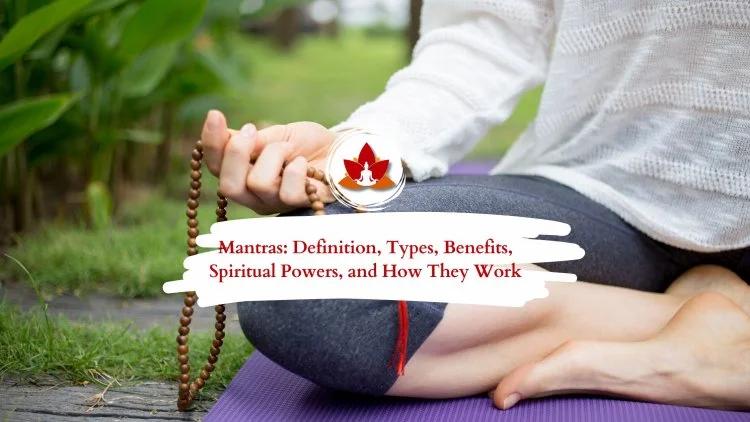
The Power of a Mantra: Transforming Mind, Energy, and Spiritual Awareness

A mantra is more than just a word or phrase repeated during meditation; it is a powerful sound vibration that has been used for thousands of years to focus the mind, balance emotions, and deepen spiritual awareness. In many ancient traditions, particularly in yogic and Vedic practices, a mantra is believed to carry a specific energy that can influence the mind and body. By repeating a mantra regularly, practitioners can create a rhythm that calms mental chatter, improves concentration, and opens the door to deeper states of consciousness.
Understanding the Meaning of a Mantra
The word mantra originates from the Sanskrit language, where “man” means mind and “tra” means tool or instrument. Therefore, a mantra can be understood as a tool for the mind. When repeated continuously, a mantra helps redirect thoughts away from distractions and toward a single point of awareness. This process allows practitioners to quiet the internal dialogue that often causes stress and confusion in daily life.
In meditation practices, a mantra may be spoken aloud, whispered softly, or repeated silently within the mind. Each approach has its own benefits. Chanting a mantra out loud can generate strong vibrations that resonate throughout the body, while silent repetition encourages deep internal focus. Over time, the consistent repetition of a mantra can reprogram mental patterns, promoting calmness, clarity, and emotional balance.
How a Mantra Influences the Mind and Body
The impact of a mantra goes beyond simple repetition. Sound vibrations created through chanting can stimulate areas of the brain associated with relaxation and emotional regulation. When practiced consistently, mantra meditation can lower stress levels, improve breathing patterns, and promote a sense of inner peace.
Many practitioners notice that repeating a mantra helps them slow down their thoughts. In modern life, the mind often jumps from one worry to another, making it difficult to remain present. A mantra acts as an anchor, gently bringing attention back whenever the mind begins to wander. This process strengthens mindfulness and enhances the ability to remain calm in challenging situations.
Another important benefit of a mantra practice is the development of mental discipline. By committing to a regular chanting routine, individuals train their minds to stay focused and resilient. Over time, this discipline extends beyond meditation and begins to influence daily life, making it easier to concentrate on tasks and maintain emotional stability.
Different Types of Mantra Practices
There are many forms of mantra practices, each designed for a specific purpose. Some mantras are used for spiritual growth, while others are intended to promote healing, protection, or mental clarity. Sacred mantras from ancient traditions are often passed down through teachers and spiritual lineages, carrying deep cultural and spiritual significance.
For beginners, a simple mantra can be extremely effective. Repeating a short and meaningful phrase allows the mind to settle naturally. As practitioners gain experience, they may explore longer or more complex mantras that resonate with their personal goals and spiritual beliefs. Regardless of the type, the power of a mantra lies in consistency and intention.
The Role of a Mantra in Meditation
Meditation and mantra practice are closely connected. When a mantra is used during meditation, it serves as a focal point that guides the mind into deeper states of awareness. Instead of struggling to stop thoughts completely, practitioners gently replace random thinking with the steady repetition of the mantra.
This process gradually leads to a state of inner stillness. As the mind becomes more focused, the mantra may begin to feel effortless, almost repeating itself naturally. In advanced stages of meditation, the mantra can dissolve into pure awareness, leaving the practitioner in a peaceful and expanded state of consciousness.
Many meditation teachers recommend starting with short sessions of mantra meditation and gradually increasing the duration. Even a few minutes of focused mantra repetition each day can bring noticeable improvements in mood, concentration, and overall well-being.
Integrating a Mantra into Daily Life
One of the most beautiful aspects of a mantra is its simplicity. It does not require special equipment or a specific environment. A mantra can be practiced during meditation, yoga sessions, or even while walking or performing daily tasks. This flexibility makes it easy to integrate into a busy lifestyle.
Some people choose to repeat a mantra in the morning to set a positive intention for the day. Others use it in the evening to release stress and reflect on their experiences. Over time, the mantra becomes a familiar companion that supports emotional balance and mental clarity.
Consistency is the key to experiencing the full benefits of a mantra practice. Just as physical exercise strengthens the body, regular mantra repetition strengthens the mind and nurtures inner awareness. With patience and dedication, a mantra can become a powerful tool for personal transformation.
The Lasting Impact of Mantra Practice
The practice of repeating a mantra has been preserved for centuries because of its profound effects on human consciousness. It offers a simple yet powerful method to quiet the mind, reduce stress, and cultivate a deeper connection with oneself. In a world filled with distractions and constant stimulation, the steady rhythm of a mantra provides a moment of stillness and reflection.
As individuals continue their mantra journey, they often discover that the practice extends far beyond meditation sessions. The calmness, clarity, and awareness developed through mantra repetition gradually influence every aspect of life. Relationships improve, decision-making becomes clearer, and a deeper sense of purpose begins to emerge.
Ultimately, a mantra is not just a sound—it is a pathway to inner harmony, mindfulness, and spiritual growth. Through dedication and mindful repetition, the simple act of chanting a mantra can open the door to profound transformation and lasting peace.


