









Can Weight Loss Help Gynecomastia?

Gynecomastia, the enlargement of male breast tissue, is a condition that affects men of all ages. Many wonder whether lifestyle changes, such as weight loss, can reduce the appearance of gynecomastia. For those living in Pakistan, seeking Gynecomastia Surgery in Islamabad can also be an effective solution for persistent cases. Understanding the role of weight loss and medical intervention is essential to managing this condition safely and effectively.Weight gain, hormonal changes, and certain medications are common triggers of gynecomastia. While reducing body fat may help in some cases, it does not always eliminate glandular breast tissue. This FAQ-style guide explores how weight loss impacts gynecomastia, what treatments are available, and what patients can realistically expect.
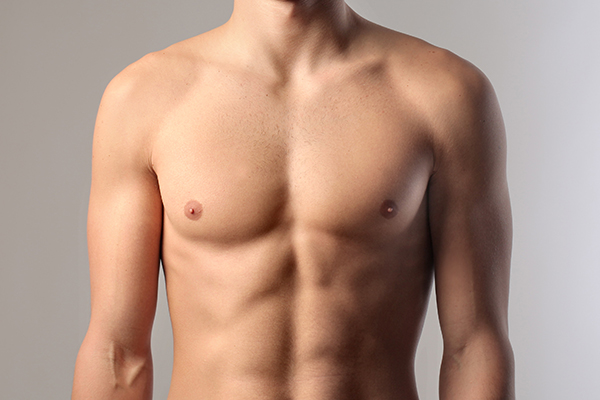
What Is Gynecomastia and What Causes It?
Gynecomastia is the benign enlargement of male breast tissue. It occurs due to an imbalance between estrogen and testosterone, where the male body produces relatively higher estrogen or lower testosterone. Common causes include:
-
Hormonal changes during puberty or aging
-
Obesity and excess body fat
-
Certain medications (like steroids, anti-androgens, and antidepressants)
-
Underlying health conditions affecting hormone levels
It is important to differentiate gynecomastia from pseudogynecomastia, which is simply fat deposition in the chest without glandular tissue growth. True gynecomastia often requires more than just weight loss to resolve fully.
Can Weight Loss Reduce Gynecomastia?
Weight loss can help reduce pseudogynecomastia by decreasing overall body fat, which may slightly improve the chest’s appearance. However, true gynecomastia involves glandular tissue that does not shrink with diet or exercise alone.
-
Pseudogynecomastia: Fat-related; weight loss and exercise are often effective.
-
True Gynecomastia: Glandular; weight loss may improve appearance but rarely removes the tissue entirely.
Patients with mild cases may notice some reduction after losing weight, but significant improvement often requires surgical intervention.
How Effective Is Gynecomastia Surgery Compared to Weight Loss?
Gynecomastia Surgery is considered the most reliable way to remove glandular tissue and achieve a flat, masculine chest. The procedure typically involves liposuction, glandular excision, or a combination of both.
| Factor | Weight Loss | Gynecomastia Surgery |
|---|---|---|
| Targets | Fat only | Fat + Glandular tissue |
| Timeframe for results | Weeks to months | Immediate, with minor recovery |
| Effectiveness | Partial improvement | High, long-lasting results |
| Invasiveness | Non-invasive | Minimally invasive or surgical |
| Downtime | None to minimal | 1–2 weeks recovery typical |
| Risk of recurrence | Possible if fat returns | Low if hormonal balance maintained |
This table highlights why surgery is often the recommended approach when weight loss alone does not produce satisfactory results.
Reviews: Experiences of Patients
Many patients report that while weight loss improved their overall body shape, it did not fully resolve their gynecomastia. Those who opted for surgery describe higher satisfaction, citing:
-
Enhanced chest contour and definition
-
Boosted confidence and self-esteem
-
Minimal post-operative discomfort with modern techniques
For instance, a 28-year-old patient shared, “I lost 15 kg, but my chest remained puffy. After surgery in Islamabad, my chest looks completely natural, and I feel confident wearing fitted shirts.”
These reviews reinforce that while lifestyle improvements are beneficial, surgical treatment provides the most predictable and lasting outcomes.
Are There Non-Surgical Alternatives for Gynecomastia?
Besides weight loss, some non-surgical options may help, though their effectiveness is limited:
-
Hormone Therapy: Used if gynecomastia is due to hormonal imbalance.
-
Medication Adjustment: Stopping or changing drugs that trigger breast growth (under medical supervision).
-
Compression Garments: Can temporarily improve chest appearance.
These alternatives can be supportive but rarely replace the need for surgery in persistent or severe cases.
How Can Diet and Exercise Support Gynecomastia Management?
While weight loss alone may not remove glandular tissue, combining diet and exercise with medical treatment can enhance overall results:
-
Cardio Workouts: Running, cycling, and swimming reduce overall body fat.
-
Strength Training: Focus on chest exercises (push-ups, bench press) to tone muscles.
-
Balanced Diet: High protein, moderate carbs, healthy fats, and reduced sugar intake.
A leaner physique can improve chest appearance and complement surgical results.
When Should You Consider Gynecomastia Surgery?
Surgery may be considered if:
-
Gynecomastia persists despite weight loss
-
Glandular tissue causes discomfort or pain
-
Self-confidence is affected by chest appearance
-
Hormonal imbalances are addressed but tissue remains
Consulting a qualified surgeon in Islamabad can help determine whether surgery is appropriate based on the type and severity of gynecomastia.
Recovery and Aftercare After Gynecomastia Surgery
Post-surgery care is critical for optimal results:
-
Wear compression garments as advised
-
Avoid heavy lifting for 2–4 weeks
-
Follow wound care and hygiene instructions
-
Maintain a stable weight to prevent fat-related recurrence
Patients often resume normal activities within a week, with visible results emerging as swelling subsides.
FAQs Summary
Q: Can puberty-related gynecomastia resolve naturally?
Yes, gynecomastia during puberty often resolves within 6–12 months, but persistent cases may require evaluation.
Q: Is gynecomastia reversible with diet alone?
Only if it is pseudogynecomastia (fat-related). True glandular gynecomastia does not respond significantly to diet or exercise.
Q Are there risks associated with gynecomastia surgery?
As with any surgery, minor risks include infection, bruising, or uneven contouring, but modern techniques minimize complications.
Q: How soon can I see results after surgery?
Initial results are visible immediately, with final contour appearing after 1–3 months as swelling reduces.
Q Will weight gain cause gynecomastia to return after surgery?
Weight gain can affect chest appearance but will not regenerate glandular tissue if it was fully removed.
Conclusion
Weight loss can play a supportive role in improving chest appearance, particularly in cases of pseudogynecomastia. However, true gynecomastia involving glandular tissue usually requires Gynecomastia Surgery in Islamabad for a lasting and aesthetically pleasing result. Combining lifestyle improvements with surgical intervention ensures optimal health and confidence.
Contact Us
If you are struggling with gynecomastia and want a safe, effective solution, our clinic offers expert consultations and advanced surgical options. Schedule your appointment today to discuss personalized treatment plans and regain your confidence. Call us now or visit our clinic to book your consultation!
Address : Office Number LG 20 - 21 Interlace Plaza I-8 Markaz Islamabad
Phone : +92 333 5705871
Email : info@glamorousclinic.com.pk
Link : https://www.glamorousclinic.com.pk/


