








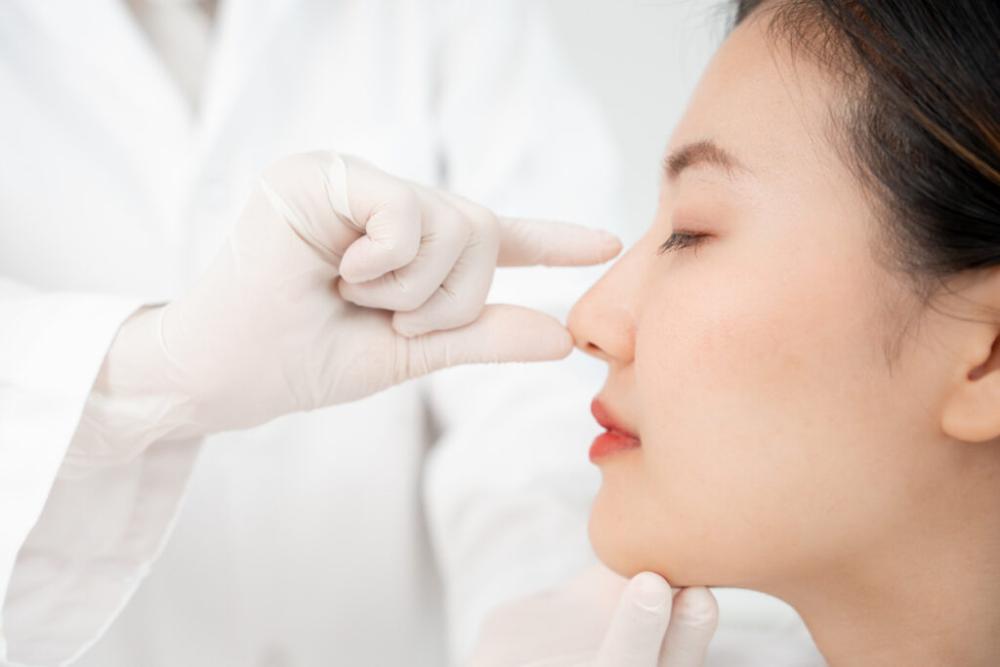
How does Rhinoplasty impact nasal anatomy?

Rhinoplasty is a transformative procedure that reshapes the nose, affecting both appearance and function. If you are exploring Rhinoplasty Dubai, understanding how this surgery impacts nasal anatomy is essential for making an informed decision. At Dynamic Life Clinics, patients benefit from advanced techniques that address structural changes while preserving natural facial harmony. Rhinoplasty goes beyond cosmetic enhancement—it directly influences the bones, cartilage, and soft tissues of the nose to achieve both aesthetic and functional outcomes.
Understanding Nasal Anatomy
The human nose is a complex structure composed of:
-
Bones: Form the upper third of the nose and provide foundational support
-
Cartilage: Includes the septum and lateral cartilages, shaping the tip and sides
-
Soft Tissue: Skin and subcutaneous tissue covering the nasal framework
-
Muscles: Small muscles controlling subtle movements and expressions
Any surgical intervention, like rhinoplasty, interacts with these components to modify the overall shape, projection, and symmetry of the nose.
![How to Tape Nose After nose job? + [Advantages] - Raadina Health](https://hws.raadinahealth.com/images/user_upload/blog/en-rhinoplasty-in-Iran/rinoplasty9_1697101463_large.webp)
Types of Structural Changes in Rhinoplasty
Rhinoplasty can impact nasal anatomy in several ways:
-
Bone Adjustment: Procedures may involve reducing or repositioning the nasal bones to refine the bridge, narrow the width, or correct fractures.
-
Cartilage Modification: Surgeons can reshape, remove, or augment cartilage to enhance the tip, straighten the septum, or correct a deviated nose.
-
Soft Tissue Repositioning: Skin and underlying tissue may be elevated or redistributed to achieve smooth contours and natural transitions.
-
Functional Enhancements: Adjustments to the septum or nasal valves can improve airflow and breathing while maintaining aesthetic balance.
These changes require a detailed understanding of nasal anatomy to ensure that function and appearance are both optimized.
How Rhinoplasty Affects the Nasal Bones
The nasal bones form the rigid framework at the top of the nose. Rhinoplasty procedures often involve:
-
Osteotomy: Controlled breaking and repositioning of the bones to narrow the nasal bridge
-
Bone Grafting: Adding small amounts of bone to correct asymmetry or support the nasal structure
-
Fracture Correction: Repairing previous injuries to restore alignment
These interventions alter the upper nasal structure, which directly affects the profile, bridge width, and harmony with other facial features.
Cartilage and Tip Reshaping
The tip of the nose is primarily supported by cartilage. Rhinoplasty techniques that target cartilage can:
-
Refine tip projection and rotation
-
Correct bulbous or asymmetrical tips
-
Stabilize the nasal tip for long-term structural integrity
-
Address functional issues caused by collapsed or weak cartilage
Careful manipulation of cartilage ensures that the nose maintains natural movement and support after surgery.
Impact on Nasal Septum and Airway
A well-functioning nasal septum is critical for both breathing and facial aesthetics. Rhinoplasty can involve:
-
Septoplasty: Straightening a deviated septum to improve airflow
-
Septal Grafts: Using cartilage from the septum to support other areas of the nose
-
Valve Repair: Reinforcing internal or external nasal valves to prevent collapse
These functional improvements directly influence nasal anatomy, supporting both respiratory efficiency and cosmetic outcomes.
Role of Soft Tissue in Rhinoplasty
While bones and cartilage provide the structural framework, soft tissue determines the surface appearance. Rhinoplasty affects soft tissue by:
-
Repositioning skin to match new nasal contours
-
Reducing excess tissue for a smoother shape
-
Maintaining natural skin elasticity and texture
Proper management of soft tissue ensures that the results look natural and proportionate to the patient’s facial features.
Recovery and Anatomical Adaptation
Post-surgery, the nose undergoes a healing process that gradually stabilizes the new anatomical structure:
-
Swelling decreases over weeks, revealing subtle changes
-
Cartilage and bones settle into their new positions
-
Soft tissue adapts to the reshaped framework
-
Final contour becomes visible over several months
Understanding this recovery process helps patients anticipate how the nasal anatomy will respond and adapt after rhinoplasty.
Key Considerations for Rhinoplasty in Dubai
Patients seeking Rhinoplasty Dubai should consider:
-
Individual anatomical variations that affect surgical planning
-
Desired aesthetic outcome versus structural limitations
-
Techniques that preserve both function and appearance
-
Experience of surgeons in managing complex anatomical adjustments
Awareness of these factors ensures that surgical decisions are tailored to each patient’s nasal structure and facial proportions.
Conclusion
Rhinoplasty is more than a cosmetic procedure—it is a meticulous reshaping of nasal anatomy that balances aesthetics and function. By addressing bones, cartilage, soft tissue, and airway structures, rhinoplasty in Dubai can transform facial harmony while enhancing breathing and nasal support. Careful planning and precise execution are essential to achieve results that are both natural-looking and long-lasting


