








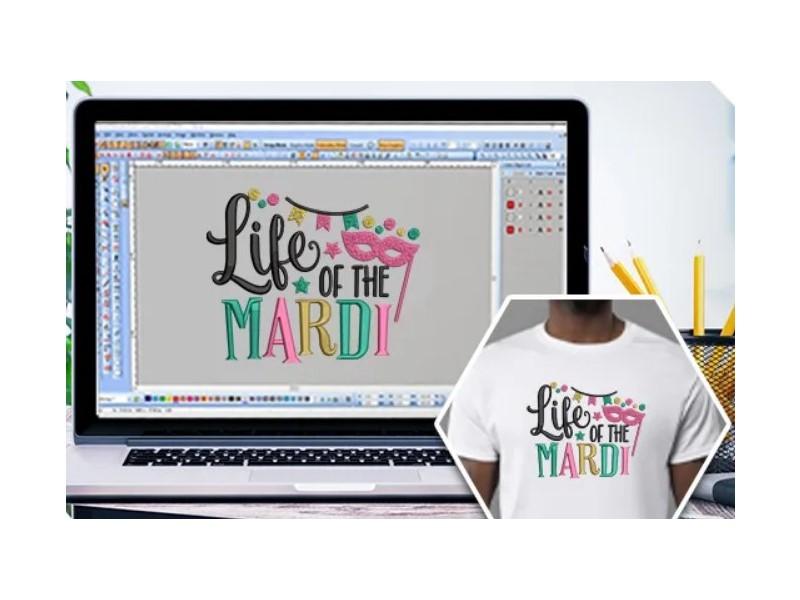
Top Quality Logo Digitizing: Ensuring Accuracy and Consistency

In today’s business environment, a professional logo is more than just a design—it represents your brand identity, credibility, and attention to detail. While creating an attractive logo is crucial, properly digitizing it is equally important.
Top quality logo digitizing is the process of converting a design or artwork into a digital format suitable for embroidery, printing, and other promotional applications. Accurate digitization ensures your logo looks precise and professional across all mediums.
Why Logo Digitizing Is Essential
Logo digitizing is more than simply converting a file from one format to another. It requires technical skill, precision, and an understanding of how digital files work with different production techniques. Poor digitization can lead to blurry prints, distorted images, or misaligned embroidery, affecting brand perception.
A well-digitized logo offers several advantages:
- Consistency Across Platforms: Ensures your logo appears uniform across websites, print materials, and promotional products.
- High-Resolution Output: Maintains clarity and quality at any size, whether on a business card or a large banner.
- Smooth Production for Embroidery: Machines require properly digitized files to replicate the design accurately on fabrics.
- Reduced Errors and Costs: Proper digitization minimizes mistakes during production, saving time and resources.
The Logo Digitizing Process
Achieving top-quality logo digitizing involves several critical steps:
Analyzing the Original Design
Each logo has unique elements such as colors, fonts, shapes, and overall composition. Understanding these details ensures the digitized version matches the original accurately.
Selecting the Appropriate File Format
Different applications require different file formats. Common formats include DST, PES, EXP, and VP3 for embroidery, and PNG, EPS, or SVG for print and digital use. Choosing the correct format ensures the logo works correctly across all platforms.
Converting Design into Digital Stitches
For embroidery, the design must be translated into tiny stitches. This involves determining stitch type, direction, density, and underlay. A skilled digitizer ensures the logo retains its proportions, even when resized or applied to different materials.
Testing and Quality Assurance
Sample tests are conducted to verify that the logo appears as intended on the final product. Adjustments are made as needed to ensure accuracy.
Final Delivery
The completed digitized logo is provided in the required formats, ready for production and other applications.
Tips for Achieving High-Quality Digitization
-
Start with a clear, high-resolution design to ensure details translate accurately.
- Hire professional digitizing services with experience in embroidery and printing.
- Simplify designs when possible, as complex elements may lose clarity in smaller formats.
- Pay close attention to color accuracy to maintain brand consistency.
- Update digitized files whenever your logo undergoes revisions.
Benefits of Professional Logo Digitizing
Investing in professional digitizing services provides several key benefits:
- Improved Brand Presentation: A clean and precise logo communicates professionalism.
- Versatility: Digitized logos work effectively across multiple platforms, from digital screens to embroidered apparel.
- Time Efficiency: Professionals handle technical work, allowing businesses to focus on marketing and growth.
- Error Minimization: Accurate digitization reduces production mistakes, saving money and resources.
Choosing the Right Digitizing Service
Selecting a reliable digitizing service is essential for high-quality results. Look for providers who offer:
- Expertise in both embroidery and printing techniques.
- Customization options to ensure logos adapt to various products.
- Fast and accurate delivery without compromising quality.
- Transparent pricing with no hidden fees.
Partnering with skilled professionals ensures your logo is precise, consistent, and ready for multiple applications.
FAQs About Logo Digitizing
1. What is the difference between digitizing and simply scanning a logo?
Digitizing involves converting a design into a digital format suitable for production, such as embroidery or printing, while scanning only creates a flat digital image without production-specific adjustments.
2. Can any logo be digitized for embroidery?
Most logos can be digitized, but highly detailed or intricate designs may need simplification to maintain clarity when embroidered on fabric.
3. How long does it take to digitize a logo?
The time varies depending on complexity and production requirements. Simple logos can be completed within hours, while complex designs may take several days.
4. Why should I hire a professional for logo digitizing?
Professional digitizers ensure accuracy, color consistency, and proper file formats. This reduces errors, saves time, and ensures your logo looks professional across all platforms.
Conclusion
Accurate logo digitizing is a crucial step for businesses aiming to maintain a professional and consistent brand image. A well-digitized logo works seamlessly across embroidery, printing, and digital applications, maintaining quality and clarity at every scale. By understanding the process and working with experienced professionals, your logo will be prepared for multiple uses, enhancing your brand’s credibility and effectiveness.
Investing in professional logo digitizing is not just a technical requirement; it is a strategic decision that safeguards your brand identity and ensures high-quality representation across all channels.


