








Is a Silhouette facelift evidence based?

The question of whether any cosmetic procedure is backed by science matters more than ever to today's informed patients. A Silhouette facelift is one of the most discussed minimally invasive facial rejuvenation options in aesthetic medicine, and for good reason — it sits at the intersection of surgical precision and non-surgical convenience. For anyone exploring Silhouette Facelift in Dubai, understanding the clinical evidence behind this technique is the first and most important step before committing to treatment. Clinics like Dynamic Life Clinics have seen growing demand for this procedure among patients who want visible results without undergoing a traditional surgical facelift.
What Is a Silhouette Facelift?
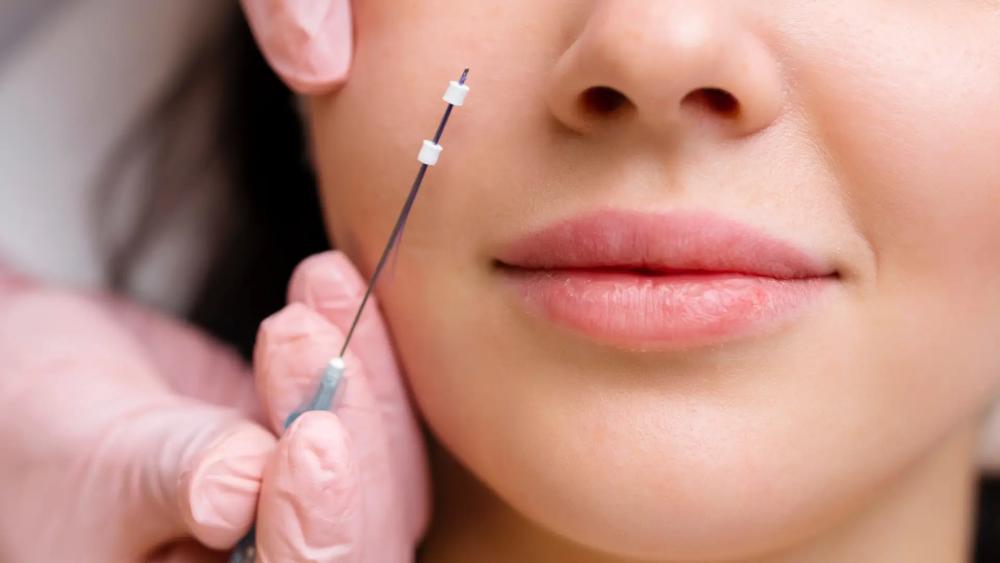
A Silhouette facelift, also referred to as a thread lift using bidirectional absorbable sutures, is a minimally invasive procedure designed to lift and reposition sagging facial tissue. Unlike traditional facelifts that require incisions and general anaesthesia, this technique involves inserting fine sutures fitted with tiny cones beneath the skin. These cones grip the tissue and allow the practitioner to physically lift areas such as the mid-face, jowls, and neck. The sutures are made from poly-L-lactic acid (PLLA), a biocompatible material that gradually dissolves while simultaneously triggering collagen production in the surrounding tissue.

The Science Behind the Sutures
The clinical rationale for the Silhouette facelift rests on two distinct mechanisms. The first is the immediate mechanical lift achieved by the suture cones anchoring and repositioning deeper facial tissue. The second is a longer-term biological response — as the PLLA material breaks down, it stimulates neocollagenesis, meaning the body produces new collagen fibres that add volume and firmness to the treated area over the following months. This dual-action mechanism is what separates Silhouette sutures from older thread lift technologies, which relied on non-absorbable materials and offered no regenerative benefit.
What Does the Clinical Research Show?
Peer-reviewed literature on Silhouette Soft threads — the most widely studied version of this technique — demonstrates measurable outcomes in facial lifting and skin quality improvement. Published studies have reported:
- Statistically significant improvement in cheek and jawline contour at 12 and 18 months post-procedure
- Patient satisfaction rates consistently above 80% in prospective clinical evaluations
- Histological evidence of new collagen deposition around the dissolved suture material
- A favourable safety profile with low rates of serious adverse events when performed by trained practitioners
A 2016 study published in the Journal of Drugs in Dermatology assessed outcomes in patients treated with absorbable cone sutures and found clinically meaningful improvement in facial laxity. More recent reviews have echoed these findings, though researchers consistently note that long-term data beyond two years remains limited compared to surgical alternatives.
How Does It Compare to a Traditional Facelift?
It would be inaccurate to position the Silhouette facelift as a direct replacement for a surgical rhytidectomy. Traditional facelifts involve repositioning of the SMAS layer (superficial musculoaponeurotic system) and offer durability that can last a decade or more. The Silhouette technique, by contrast, produces results that typically last between 18 months and three years depending on skin quality, age, and lifestyle factors. However, for patients in the early to moderate stages of facial ageing who are not yet candidates for surgery — or who simply prefer a less invasive option — the evidence supports it as a clinically valid choice. The recovery period is also significantly shorter, with most patients resuming normal activity within 24 to 48 hours.
Who Is the Ideal Candidate?
Evidence-based medicine emphasises patient selection as a critical factor in treatment outcomes. The Silhouette facelift performs best in patients who:
- Are between 35 and 60 years old with mild to moderate skin laxity
- Have adequate subcutaneous tissue for the sutures to grip effectively
- Do not have significantly thinned or heavily sun-damaged skin
- Hold realistic expectations about the degree of lift achievable non-surgically
- Are in good general health without active skin infections or autoimmune conditions
Practitioners who adhere to evidence-based guidelines will always conduct a thorough facial assessment before recommending this procedure, as patient selection directly influences clinical outcomes.
Safety Profile and Risk Considerations
The safety data on Silhouette sutures is generally reassuring. Reported complications in the literature include temporary asymmetry, suture visibility, minor bruising, and dimpling at insertion points — most of which resolve within days to weeks. Serious complications such as infection or nerve injury are rare and are typically associated with improper technique rather than the procedure itself. Regulatory approval by bodies including the CE mark in Europe and clearance in multiple international markets adds a further layer of institutional validation to the product's safety and efficacy profile.
Conclusion
The Silhouette facelift is not a trend — it is a procedure with a growing body of peer-reviewed evidence supporting its safety and effectiveness for appropriate candidates. The dual mechanism of mechanical lifting and collagen stimulation gives it a scientifically grounded rationale that distinguishes it from earlier, less reliable thread technologies. For patients in Dubai seeking a non-surgical alternative to traditional facelift procedures, the evidence suggests this can be a legitimate and results-driven option when performed by a qualified and experienced aesthetic practitioner in a properly equipped clinical setting.


