








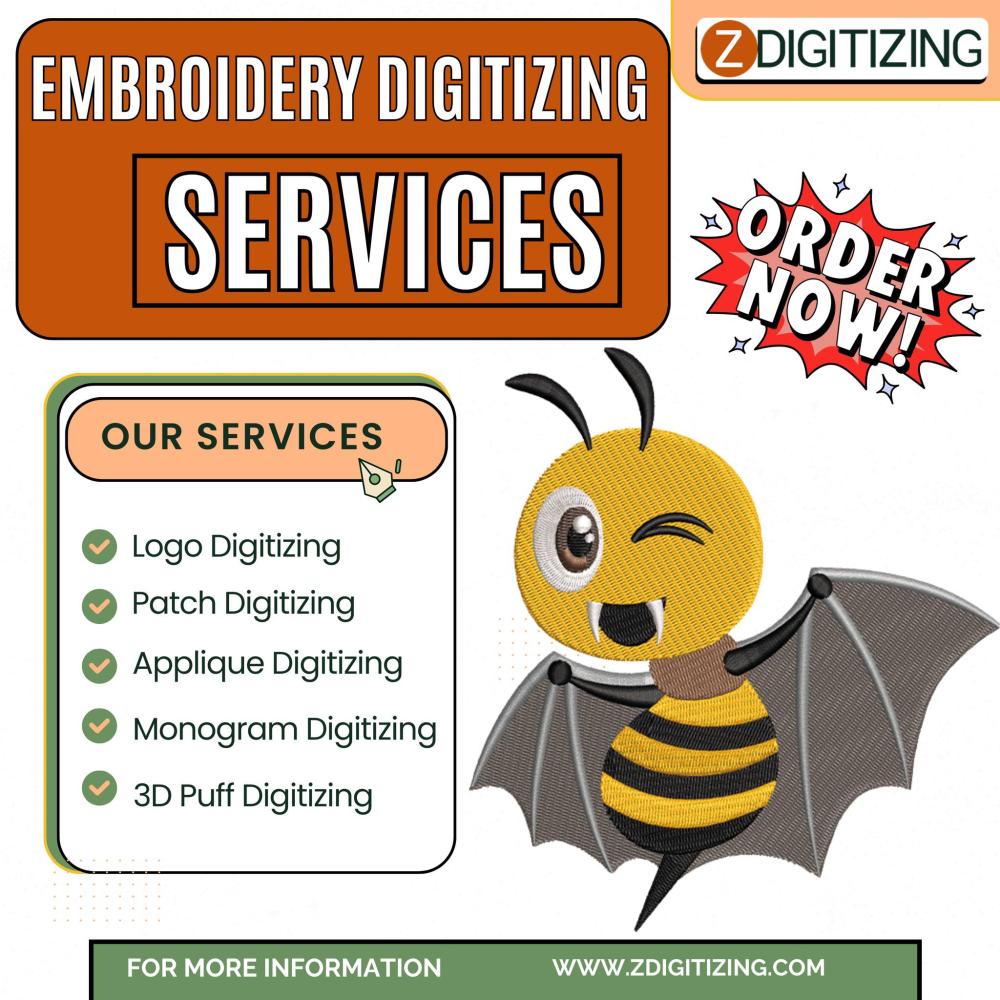
Premium Embroidery Digitizing Services: Precision, and Professional Results

In custom apparel and branded merchandise, embroidery remains one of the most durable and professional decoration methods available. From corporate uniforms and sportswear to promotional caps and personalized products, embroidery communicates quality and reliability. However, exceptional embroidery does not begin at the machine, it begins with professional digitizing.
Premium embroidery digitizing services convert artwork into accurate stitch files that embroidery machines can interpret with precision. When done correctly, digitizing ensures clean lettering, balanced stitch density, minimal thread breaks, and consistent production results. For businesses and apparel brands that value accuracy and long-term performance, professional digitizing is essential.
What Is Embroidery Digitizing?
Embroidery digitizing is the technical process of converting logos, illustrations, or text into a digital embroidery file format. This file contains detailed instructions that guide the embroidery machine, including:
- Stitch type selection (satin, fill, running stitch)
- Stitch direction and angle
- Density control
- Underlay structure
- Thread sequence and color changes
- Pull compensation adjustments
Digitizing is not a simple file conversion. It requires knowledge of stitch mechanics, fabric behavior, thread tension, and machine capabilities. Experienced digitizers manually map stitch paths to ensure the design sews correctly on specific materials such as cotton, polyester, fleece, caps, or performance fabrics.
Premium embroidery digitizing services prioritize technical accuracy and production efficiency, reducing costly errors during embroidery runs.
Why Premium Embroidery Digitizing Matters
Low-cost or automated digitizing often leads to distorted logos, uneven stitching, fabric puckering, and frequent thread breaks. These issues increase production time and damage brand credibility.
Premium services provide measurable benefits:
- Accurate stitch planning tailored to each design
- Balanced stitch density to prevent stiffness or puckering
- Clean and readable small text
- Reduced thread breaks during production
- Consistent results across bulk orders
Professional digitizers test and refine files before delivery, ensuring that embroidery machines run smoothly and efficiently. This attention to detail reflects both experience and technical expertise.
Business Advantages of Professional Digitizing
For apparel decorators, print shops, and promotional product suppliers, high-quality digitizing directly impacts profitability and client satisfaction.
Stronger Brand Representation
Embroidery reflects a company’s identity. Clean stitching, smooth edges, and precise color transitions create a polished and trustworthy appearance.
Fewer Production Errors
Correctly digitized files reduce sampling revisions, thread waste, and rejected garments, saving both time and material costs.
Improved Durability
Optimized underlay and density settings help designs maintain shape after repeated washing and daily wear.
Efficient Machine Performance
Files created by experienced digitizers reduce thread breaks and downtime, increasing productivity.
Scalability for Large Orders
Consistent stitch behavior ensures reliable output whether producing small batches or large commercial runs.
These advantages demonstrate why professional digitizing is a long-term investment rather than a short-term expense.
The Professional Digitizing Process
Premium embroidery digitizing services typically follow a structured workflow to ensure quality control and accuracy:
- Artwork Assessment: Reviewing the design for stitch feasibility, size, and fabric compatibility.
- Manual Stitch Mapping: Creating stitch paths intentionally rather than relying on auto-digitizing software.
- Underlay and Compensation Setup: Stabilizing the design and adjusting for fabric pull.
- Density and Direction Optimization: Ensuring balanced coverage and smooth stitch flow.
- Quality Testing: Verifying file accuracy before final delivery.
- File Formatting and Delivery: Providing the correct machine format for immediate production use.
This structured process reflects industry expertise and commitment to dependable results.
Applications of Premium Embroidery Digitizing
Professional digitizing supports various industries and product categories, including:
- Corporate branding on uniforms
- Sports team apparel
- Promotional merchandise
- Headwear and structured caps
- Jackets and heavy garments
- Custom embroidered patches
- Fashion labels and retail collections
Each application requires adjustments based on garment type, fabric thickness, and hooping method. Experienced digitizers understand how to adapt stitch strategy accordingly.
Manual Digitizing vs. Auto-Digitizing Software
Auto-digitizing tools generate stitch files quickly but often lack precision for complex or detailed artwork. Manual digitizing offers:
- Controlled stitch direction for visual balance
- Reduced overlapping stitches
- Accurate small-letter embroidery
- Fabric-specific adjustments
- Cleaner finishing results
For businesses focused on quality control and client retention, manual digitizing provides better long-term performance.
Frequently Asked Questions (FAQs)
1. What file formats are provided in premium embroidery digitizing services?
Most professional digitizing providers supply files in machine-compatible formats such as DST, PES, EXP, JEF, and others, depending on the embroidery equipment used.
2. How long does professional embroidery digitizing take?
Turnaround time typically ranges from a few hours to one business day, depending on design complexity. Detailed or large designs may require additional refinement time.
3. Can the same digitized file work on all fabrics?
Not always. Different fabrics require adjustments in stitch density, underlay, and compensation. Premium services often modify files to match specific garment types.
4. Why is manual digitizing better than automatic conversion?
Manual digitizing involves expert control over stitch placement and sequencing, reducing production issues and improving overall embroidery quality compared to automated conversions.
Conclusion
Premium embroidery digitizing services play a critical role in producing professional, durable, and consistent embroidery. By combining technical knowledge, production testing, and fabric-specific adjustments, experienced digitizers ensure that every stitch contributes to a clean and reliable final product.
For businesses that prioritize accuracy, efficiency, and brand credibility, investing in professional embroidery digitizing is a strategic decision. High-quality stitch files not only improve embroidery output but also support long-term operational success and customer satisfaction.


