








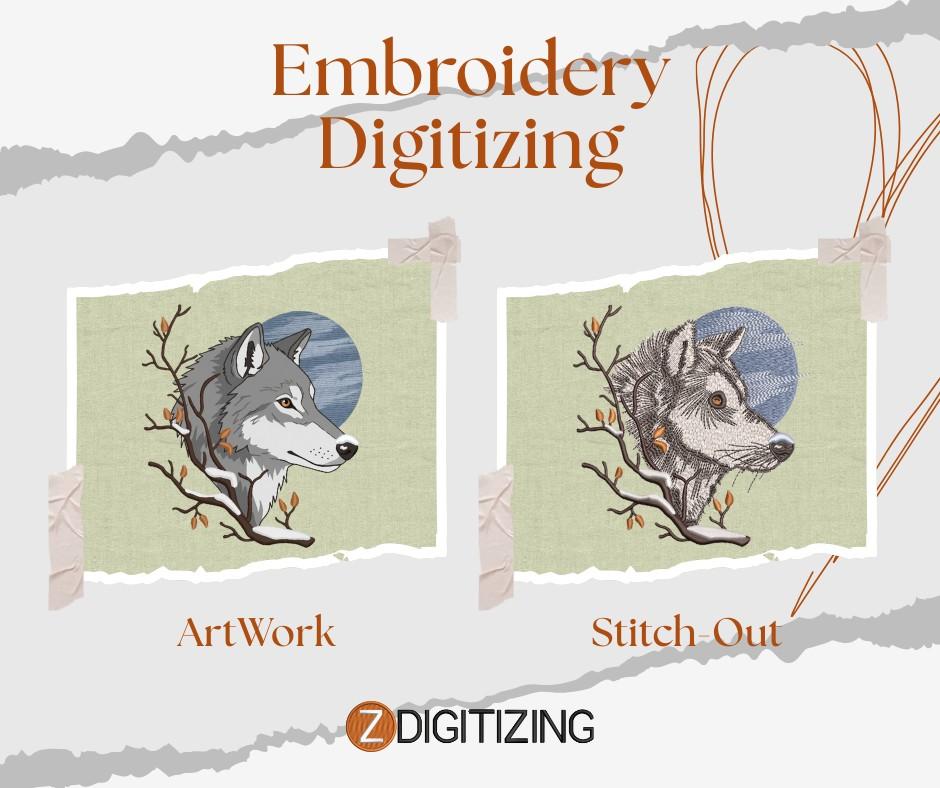
Online Embroidery Digitizing: A Complete Guide

Embroidery has always been a popular method to enhance textiles with designs, logos, and patterns. With technology advancing rapidly, online embroidery digitizing has become a crucial tool for designers and businesses, allowing artwork to be converted into digital files that embroidery machines can read and stitch automatically. This process merges creative design with precision technology, enabling faster production and consistent results.
What Is Embroidery Digitizing?
Embroidery digitizing involves converting artwork, logos, or designs into a digital format compatible with embroidery machines. Unlike traditional graphic design, which is purely visual, digitizing must consider how the machine will interpret the design using stitches.
Key factors include:
- Fabric type and stretch
- Thread material and color
- Stitch density to avoid puckering
- Machine limitations and capabilities
A skilled digitizer or advanced software determines the stitch types, directions, and sequences, ensuring the final embroidery accurately represents the original design.
Benefits of Online Embroidery Digitizing
Online embroidery digitizing offers advantages that traditional methods cannot match:
- Accessibility: Upload and receive digitized designs from any location.
- Faster Turnaround: Digital workflows reduce production time and can meet urgent deadlines.
- Consistency: Designs can be replicated precisely across multiple items.
- Cost Savings: Avoids the need for in-house digitizing equipment or specialized training.
- Flexible Adjustments: Easily modify designs, resize, or change colors before final production.
These benefits make online digitizing ideal for small businesses, promotional projects, or custom apparel production.
How the Online Embroidery Digitizing Process Works
The process typically follows these steps:
- Design Submission: Upload artwork in formats like JPEG, PNG, PDF, or AI. High-resolution images improve accuracy.
- Digitizing: The design is converted into stitch paths, determining stitch types such as satin, fill, or run stitches.
- File Conversion: The design is saved in machine-readable formats like DST, PES, EXP, or JEF.
- Proofing: A digital preview or sample is provided for approval, ensuring design quality.
- Final Delivery: The completed file is ready for use with embroidery machines on apparel, caps, or other products.
Key Features to Consider in an Online Digitizing Service
Choosing the right service is essential for quality and reliability:
- Professional Expertise: Experienced digitizers understand fabric types, thread behavior, and machine limitations.
- Multiple File Formats: Ensure the service offers formats compatible with your equipment.
- Digital Proof Options: Visual previews help catch errors before production.
- Efficient Turnaround: Timely delivery is important, especially for large orders.
- Support and Communication: Responsive customer service helps with revisions or technical issues.
Applications of Online Embroidery Digitizing
Digitized embroidery has practical applications across industries:
- Corporate Branding: Logos on uniforms, hats, and promotional items
- Fashion and Apparel: Custom designs on shirts, jackets, and accessories
- Sports Teams: Personalized jerseys with team logos and player names
- Home Decor: Monograms or patterns on towels, linens, and cushions
- Gifts and Souvenirs: Custom designs for events or personal gifts
By converting artwork into precise stitch files, online digitizing ensures that complex patterns can be executed accurately and efficiently.
Tips for Effective Online Embroidery Digitizing
To achieve high-quality results:
- Use clear, high-resolution artwork with defined lines and color contrasts.
- Communicate fabric type and texture to ensure proper stitch density.
- Specify thread preferences, including color and material.
- Consider the size of the design to prevent overcrowding or distortion.
- Review the digital proof before production to avoid errors in bulk orders.
The Future of Embroidery Digitizing
Advancements in AI and software are shaping the future of embroidery digitizing. Automated tools can optimize stitch paths, reduce production time, and provide recommendations based on fabric and design complexity. As online platforms grow, access to professional-grade digitizing services will become more widespread, making it easier for businesses and creators to produce high-quality embroidery efficiently.
FAQs About Online Embroidery Digitizing
1. What file formats are commonly used for embroidery machines?
Machine-readable formats such as DST, PES, EXP, and JEF are widely used. Different machines may require specific formats.
2. Can any design be digitized for embroidery?
Most designs can be digitized, but highly detailed or very small elements may need adjustments to ensure they stitch correctly.
3. How long does it take to get a digitized file?
Turnaround times vary depending on design complexity and service provider. Some online platforms offer same-day or 24-hour delivery for simple designs.
4. Do I need to provide thread colors and fabric type?
Yes. Providing details about fabric and thread helps the digitizer adjust stitch density and color placement for the best results.
Conclusion
Online embroidery digitizing combines technology and craftsmanship to deliver accurate, consistent, and efficient embroidery. From small businesses to personal projects, it allows precise design replication and simplifies production workflows. By choosing experienced digitizers and providing clear design details, anyone can achieve professional embroidery results with ease.
Digitizing has become an essential tool for creating high-quality embroidered products, offering reliability and flexibility that traditional methods cannot match. With technological advancements, online embroidery digitizing will continue to play a critical role in modern textile design.


