








How Seborrheic Keratosis Treatment Differs From Similar Neoplasms?

Seborrheic keratosis treatment differs significantly from approaches used for other skin neoplasms, making proper diagnosis essential for effective care. In Dubai, individuals seeking Seborrheic Keratosis Treatment in Dubai often rely on specialized dermatology clinics such as Dynamic Life Clinics, which focus on non-invasive and precise removal methods tailored for this benign condition. Understanding how seborrheic keratosis contrasts with other skin growths can help patients avoid unnecessary procedures and choose the right management strategy.
What Is Seborrheic Keratosis?
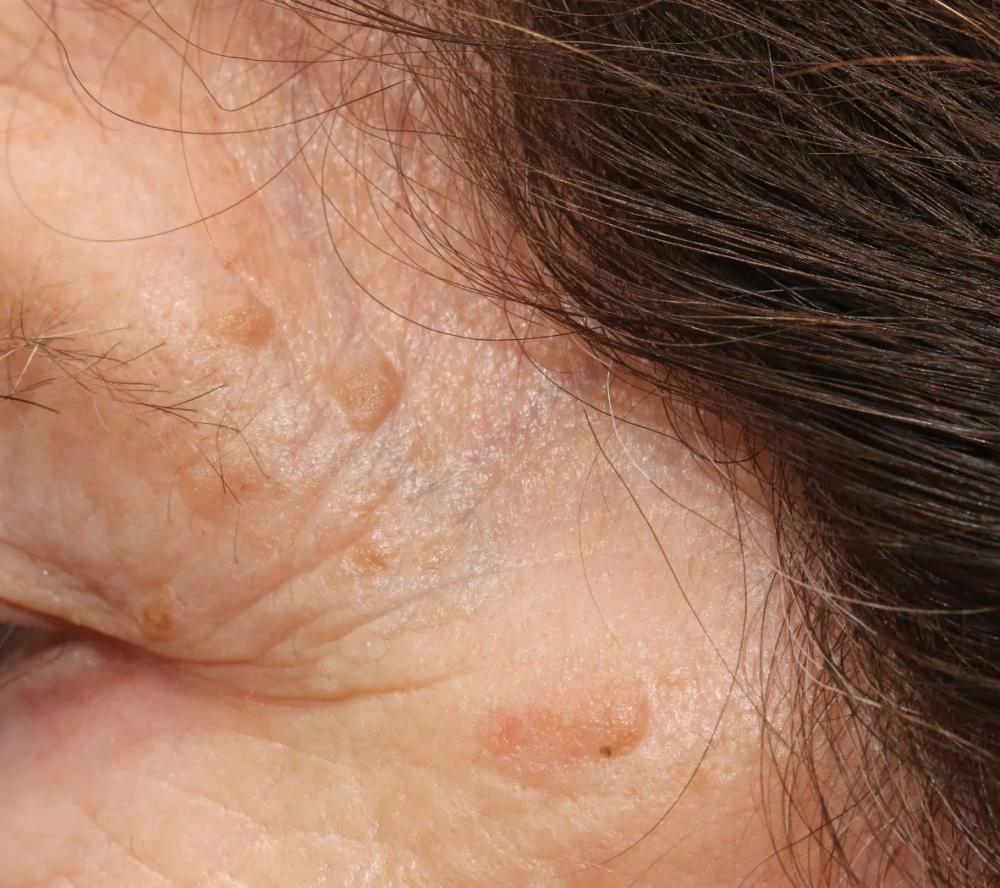
Seborrheic keratosis is a common, non-cancerous skin growth that typically appears as a waxy, wart-like lesion. These growths are often brown, black, or light tan and are more prevalent in adults over 40. Unlike malignant tumors, seborrheic keratoses:
-
Do not spread to other areas of the body
-
Usually remain stable over time
-
Rarely cause pain or serious health issues
Their appearance may mimic other skin neoplasms, which is why proper identification is crucial before treatment begins.

Common Skin Neoplasms Often Confused With Seborrheic Keratosis
Several other skin growths can resemble seborrheic keratosis, including:
-
Actinic keratosis: A precancerous lesion caused by sun damage, often rough-textured and red or pink
-
Basal cell carcinoma (BCC): Slow-growing cancerous lesions that can appear pearly or translucent
-
Squamous cell carcinoma (SCC): Firm, scaly lesions with potential for spreading if untreated
-
Melanoma: Dangerous pigmented lesions with irregular borders, color variations, and rapid changes
While these conditions can look similar, their treatment protocols differ significantly from those used for seborrheic keratosis
Diagnosis: The Key to Differentiating Treatment Approaches
Accurate diagnosis is critical in determining the correct treatment plan. Dermatologists typically use:
-
Visual examination: Evaluating the color, texture, and location of the growth
-
Dermatoscopy: Magnified skin imaging to detect subtle patterns
-
Biopsy: Confirming the diagnosis when malignancy cannot be ruled out
Identifying seborrheic keratosis early prevents unnecessary surgical interventions commonly used for malignant lesions
How Seborrheic Keratosis Treatment Differs
Seborrheic keratosis treatment focuses on removing or reducing the lesion without invasive procedures. Unlike cancerous growths, which may require extensive surgery, radiation, or topical chemotherapy, seborrheic keratoses are treated with:
-
Cryotherapy: Freezing the lesion with liquid nitrogen to promote natural shedding
-
Curettage: Gentle scraping of the growth under local anesthesia
-
Laser therapy: Targeted removal using precise laser beams for minimal scarring
-
Topical treatments: Sometimes applied for cosmetic improvement in selected cases
These methods aim for effective removal while preserving surrounding healthy skin
Why Treatment Protocols Differ From Malignant Neoplasms
The key differences between seborrheic keratosis treatment and malignant lesion management include:
-
Safety and invasiveness: Seborrheic keratosis removal is minimally invasive, whereas malignant neoplasms often require more aggressive procedures
-
Risk of recurrence: Benign lesions may recur but do not metastasize, unlike cancerous growths
-
Healing and recovery: Recovery after seborrheic keratosis removal is generally faster with lower risk of complications
-
Follow-up care: Malignant neoplasms require long-term monitoring, while seborrheic keratosis follow-up is usually cosmetic or optional
When to Seek Professional Treatment in Dubai
Residents of Dubai should consider professional care when:
-
Lesions change in size, color, or shape
-
Growths cause irritation or discomfort
-
Diagnosis is uncertain, particularly if the lesion resembles malignant neoplasms
-
Cosmetic concerns are present
Clinics experienced in Seborrheic Keratosis Treatment in Dubai offer thorough evaluations and individualized removal options
Tips for Managing Seborrheic Keratosis at Home
While professional treatment is recommended for removal, some home care strategies can support skin health:
-
Keep the area clean and moisturized
-
Avoid picking or scratching lesions
-
Protect skin from excessive sun exposure
-
Monitor lesions for changes that require medical attention
These measures do not replace treatment but can improve overall skin condition and prevent irritation
Choosing the Right Clinic in Dubai
When selecting a clinic for seborrheic keratosis treatment, consider:
-
Expertise in differentiating benign and malignant skin growths
-
Availability of multiple treatment options
-
Minimal downtime and cosmetic outcomes
-
Reputation for patient-centered care
Dynamic Life Clinics exemplify these qualities, providing tailored solutions for seborrheic keratosis while emphasizing safety and precision
Conclusion
Understanding how seborrheic keratosis treatment differs from similar neoplasms is essential for proper skin care and peace of mind. By distinguishing benign lesions from malignant growths, patients in Dubai can receive targeted, minimally invasive care while avoiding unnecessary procedures. Awareness of treatment options, diagnostic methods, and professional guidance ensures effective management and healthy skin outcomes


