








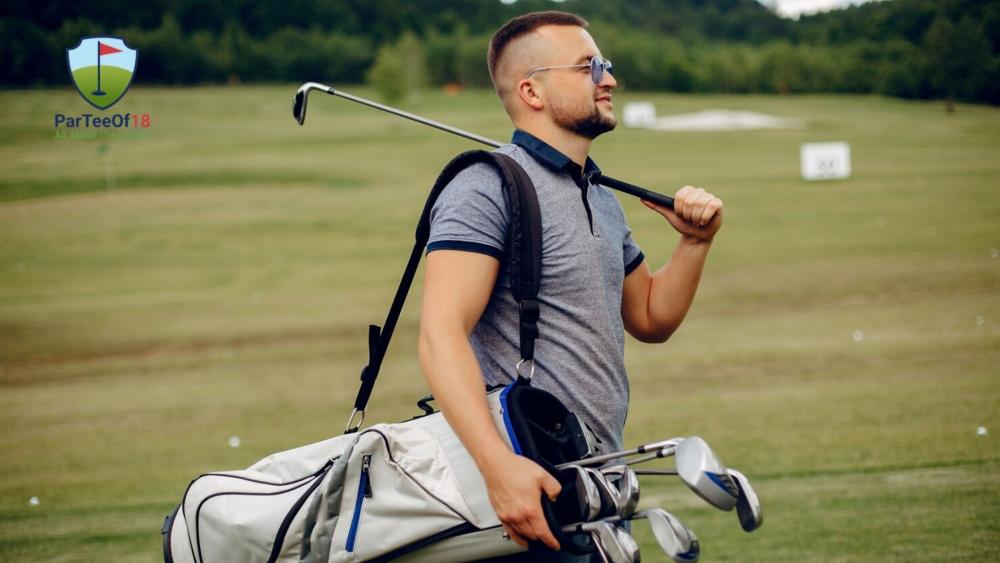
How to Select the Best Golf Sticks for Beginners vs. Pros?

Golf is a sport that requires precision, technique, and the right equipment. One of the most important decisions for any golfer is choosing the right clubs. Using the proper golf sticks can greatly improve your performance, confidence, and enjoyment on the course.
Beginners need clubs that make learning easier, while experienced golfers focus on precision and control. Understanding how to select golf sticks for different skill levels can save money, prevent frustration, and help you enjoy the game more. This guide will explain the types of golf sticks available and how beginners and pros can choose the right set for their game.
Understanding Golf Sticks – The Basics
Before purchasing clubs, it’s important to understand the basics. Golf clubs are categorized based on their function:
- Drivers – Used for long-distance tee shots.
- Fairway Woods – Versatile clubs for long shots from the fairway.
- Hybrids – Combine characteristics of irons and woods, making them easier to hit.
- Irons – Numbered from 3 to 9, used for mid-range shots.
- Wedges – Include pitching, sand, and lob wedges for short, precise shots.
- Putters – Designed for accuracy on the green.
Shafts can be made of steel or graphite. Graphite is lighter, helping beginners generate more clubhead speed, while steel shafts provide more control, preferred by experienced golfers. Club length, loft, and weight all influence performance, so understanding these basic features is essential before buying.
Factors to Consider When Choosing Golf Sticks
Regardless of skill level, several factors will help determine the right clubs:
- Swing Speed – Faster swings generally require stiffer shafts, while slower swings benefit from more flexible options.
- Shaft Flex – Regular, stiff, or extra stiff flex affects control and distance.
- Club Head Design – Beginners benefit from cavity-back designs with larger sweet spots, while pros may prefer blade-style irons for precision.
- Grip Size and Comfort – Choosing the right grip reduces strain and improves consistency.
- Budget – Golf clubs range from affordable beginner sets to high-end professional equipment.
Understanding your personal needs ensures better performance and enjoyment on the course.
Selecting Golf Sticks for Beginners
For beginners, the right clubs can make a huge difference in learning the game:
- Forgiveness – Clubs with larger sweet spots, such as cavity-back irons and hybrids, allow for more consistent contact.
- Lightweight Shafts – Graphite or lightweight steel helps new golfers swing comfortably and avoid strain.
- Hybrids Over Long Irons – Hybrids are easier to hit than traditional long irons.
- Starter Sets – A complete beginner set is often better than buying individual clubs, covering all necessary shots.
- Avoid Over-Customization – Focus on fundamentals first; expensive, custom-fitted clubs may not be necessary.
By selecting beginner-friendly clubs, players can concentrate on improving their swing, accuracy, and overall enjoyment rather than struggling with inconsistent results.
Selecting Golf Sticks for Pros
Experienced golfers require precision, control, and performance, so club selection is more specialized:
- Blade Irons for Precision – Professionals often prefer blade-style irons or custom cavity-backs that allow for shot shaping.
- Shaft Stiffness – Stiffer shafts are selected to match swing speed and provide control.
- Adjustable Drivers – Drivers with adjustable loft and weighting allow for optimized distance and trajectory.
- Custom Fitting – Professionals get clubs tailored to their height, swing type, and stance.
- Data-Driven Decisions – Launch monitors and performance metrics help pros refine club selection for maximum results.
Even minor differences in club performance can impact scores, so investing in fitting and testing is essential for experienced golfers.
Key Differences Between Beginner and Pro Golf Sticks
Here’s a comparison of beginner versus professional clubs:
- Forgiveness vs. Precision – Beginner clubs focus on forgiving errors; pro clubs prioritize exact control.
- Shaft Flexibility – Flexible shafts help beginners, while pros require stiffer options.
- Weight and Length – Lighter clubs for beginners, optimized balance for pros.
- Technology – Beginner-friendly technology makes hitting easier, while pro clubs enhance performance potential.
Recognizing these differences helps golfers make equipment choices that match their skill level and goals.
Common Mistakes to Avoid When Selecting Golf Sticks
Even experienced golfers can make mistakes when choosing clubs. Avoid these pitfalls:
- Buying the Most Expensive Clubs – Price does not guarantee performance, especially for beginners.
- Ignoring Skill Level – Clubs that are too advanced can hinder progress.
- Neglecting Proper Fit – Height, swing speed, and hand size all matter more than brand.
- Skipping Testing – Trying clubs before purchase ensures comfort and effectiveness.
Being mindful of these mistakes saves money and improves results on the course.
Tips for Testing and Trying Out Clubs
Testing clubs is essential for selecting the right set:
- Demo Days – Golf stores and courses often provide opportunities to try different clubs.
- Launch Monitors – Measure ball speed, distance, and trajectory to assess performance.
- Comfort and Feel – Ensure clubs feel good during the full swing.
- Professional Guidance – Coaches or club fitters can provide insight into which clubs match your swing.
Testing ensures that the clubs you buy help you play better and enjoy the game.
Maintaining Your Golf Sticks for Long-Term Use
Proper maintenance extends the life and performance of your clubs:
- Cleaning – Wipe club heads and grips after each round.
- Re-Gripping – Replace worn grips for better control.
- Inspect Shafts – Check for cracks or dents regularly.
- Proper Storage – Store clubs in a dry environment to prevent rust and damage.
Well-maintained clubs not only feel better but also help maintain consistent performance over time.
Conclusion
Selecting the right clubs is one of the most important decisions a golfer can make. Beginners should prioritize forgiveness, lightweight clubs, and hybrids, while professionals focus on precision, custom fitting, and performance analytics.
By understanding the differences in clubs for beginners versus pros, testing options, and maintaining your equipment, golfers of all skill levels can improve performance and enjoy the game more. The types of golf sticks you choose should match your skill, swing, and goals, making every swing more effective and every round more enjoyable.
FAQs (Frequently Asked Questions)
1. What are the best golf sticks for beginners?
- Beginners should use clubs with large sweet spots, lightweight shafts, and hybrids to make hitting easier.
2. Should professional golfers use beginner clubs?
- No, professionals need clubs that offer precision, control, and custom fitting for optimized performance.
3. How often should I test new golf clubs?
- Clubs should be tested before purchasing and periodically as your swing develops or when new technology becomes available.
4. Can beginners benefit from custom-fitted clubs?
- Custom fitting is generally not necessary for beginners; starter sets often provide enough forgiveness to learn the game.
5. How do I maintain my golf clubs?
- Clean after each round, re-grip when needed, inspect shafts, and store in a dry location to preserve performance.


