








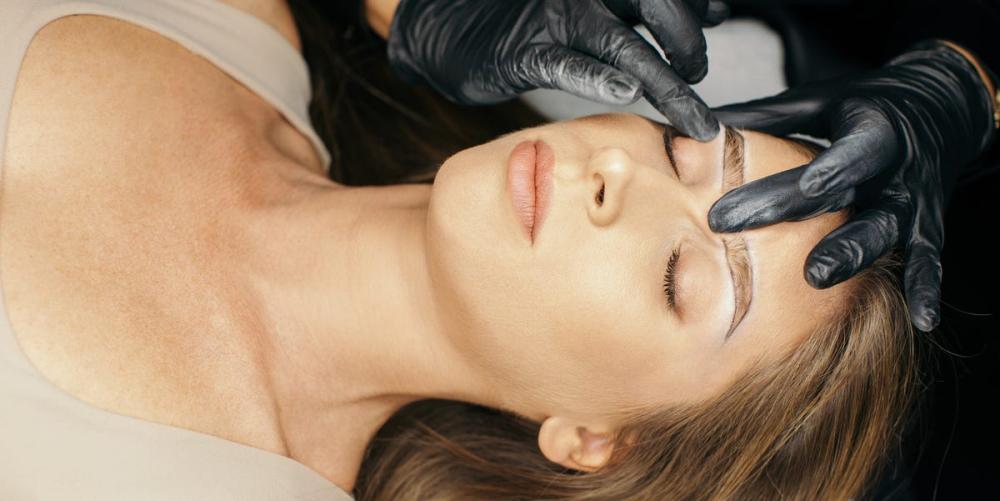
What Is The Science Of Pigment Placement In Microblading?

What Is The Science Of Pigment Placement In Microblading? This question matters because successful microblading relies as much on skin biology and pigment behavior as it does on artistic skill. Microblading in Dubai has grown rapidly due to high aesthetic standards and diverse skin types, making scientific precision even more important. At Dynamic Life Clinic, the focus is often placed on understanding how pigment interacts with skin layers to create natural, stable, and long-lasting brow results without compromising skin health.
Understanding Skin Layers and Their Role in Microblading
Microblading pigment is deposited into a very specific layer of the skin, which determines how the color heals and ages. Human skin consists of multiple layers, but only one is suitable for pigment placement. If pigment is placed too shallow, it fades quickly, while deeper placement can cause color spreading or unwanted tone changes. The ideal target is the upper dermis, where pigment can remain stable while still healing naturally with the skin’s regeneration cycle.
Why Pigment Depth Matters for Natural Results
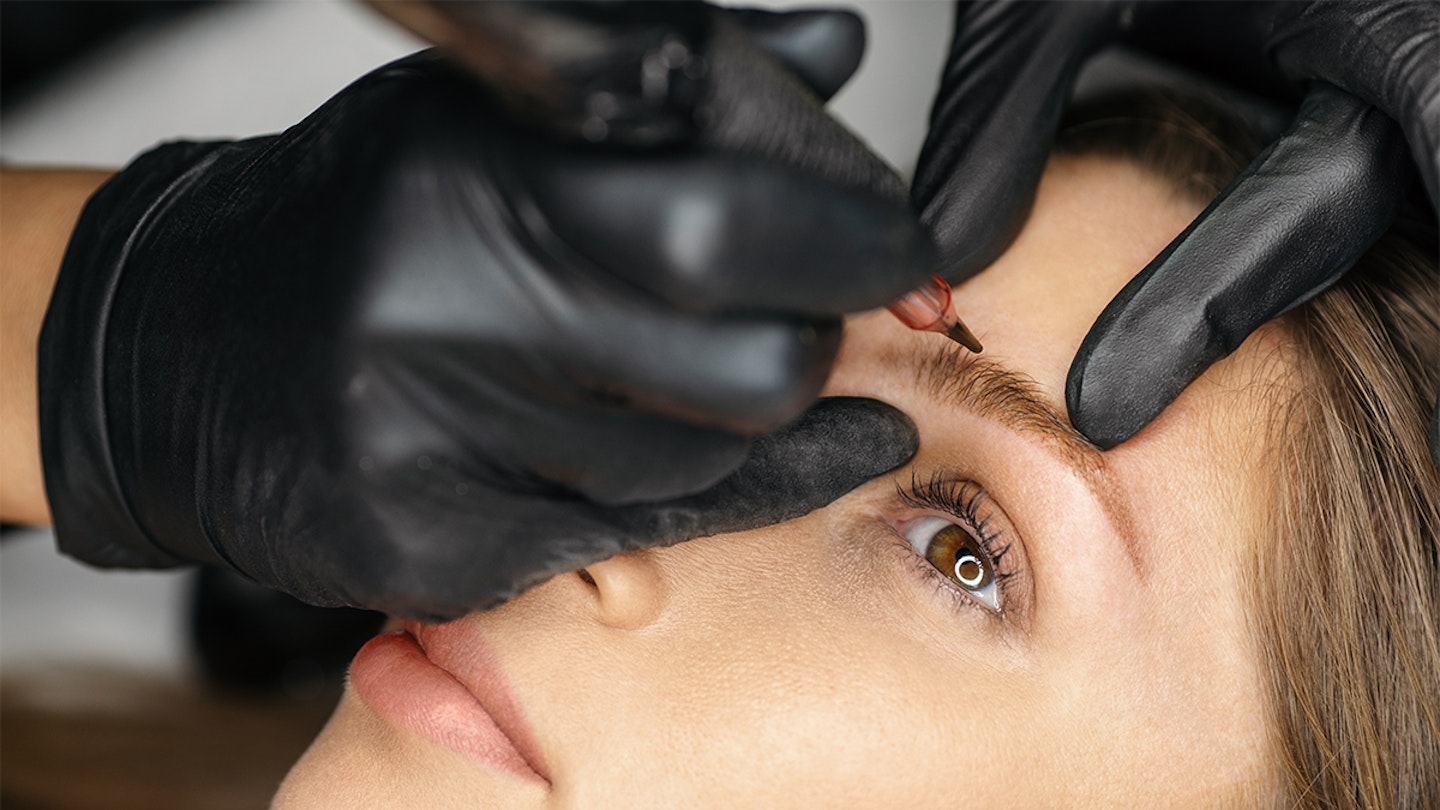
The science behind pigment placement focuses heavily on depth control. Precise depth ensures hair-like strokes remain crisp and defined after healing. When pigment sits at the correct level, the body encapsulates it gently rather than breaking it down aggressively. This balance supports even color retention and prevents common issues such as blurring or patchy fading that can occur when depth is inconsistent.
Pigment Composition and Skin Interaction
Microblading pigments are designed to work in harmony with the skin rather than simply stain it. These pigments are made of particles that vary in size and mineral or organic composition. The way these particles settle in the skin affects color stability over time. Smaller particles may fade faster but heal softer, while slightly larger particles offer better longevity. Skin chemistry, including oil production and pH levels, also influences how pigments appear once healed.
The Impact of Skin Type on Pigment Placement
Dubai’s population includes a wide range of skin tones and textures, which directly affects pigment behavior. Oily skin may push pigment out more easily, while drier skin tends to retain it better. Sensitivity, elasticity, and thickness also play a role in how strokes heal. Understanding these variables allows technicians to adjust pressure, stroke length, and pigment saturation accordingly.
Microblading Technique and Stroke Control
The science of pigment placement is closely tied to technique. Each stroke creates a controlled micro-incision that must be consistent in length and depth. Proper hand movement and blade angle ensure pigment is evenly distributed without damaging surrounding tissue. Controlled strokes reduce trauma, support faster healing, and help maintain the intended brow shape over time.
Key technique factors include:
-
Consistent hand pressure to avoid uneven pigment saturation
-
Strategic stroke direction to mimic natural hair growth
-
Balanced spacing to prevent overcrowding of pigment
-
Adaptation of technique based on skin response during the procedure
Healing Process and Pigment Stabilization
Once pigment is placed, the skin begins its natural healing process. During this phase, some pigment is absorbed while some is shed as the skin regenerates. The immune response plays a role in determining how much pigment remains visible. Proper placement minimizes excessive pigment loss and supports smooth stabilization, allowing color to soften into a natural-looking finish rather than appearing harsh or artificial.
Environmental Factors and Long-Term Pigment Behavior
Environmental exposure also influences pigment longevity. Sun exposure, humidity, and lifestyle habits can affect how pigment breaks down over time. In regions like Dubai, where sun exposure is common, correct pigment depth and composition help reduce premature fading. Scientific pigment placement accounts for these external factors to maintain brow definition while allowing for graceful fading.
The Role of Knowledge and Experience in Pigment Science
Understanding pigment placement is not guesswork but applied knowledge of anatomy, chemistry, and technique. Skilled professionals rely on this science to customize each treatment, ensuring that brows complement facial features and skin characteristics. This approach supports both aesthetic harmony and skin integrity, reinforcing trust and credibility in microblading practices.
Conclusion
The science behind pigment placement in microblading is the foundation of safe, natural, and reliable results. By understanding skin structure, pigment behavior, and healing responses, microblading achieves refined outcomes that suit diverse skin types and environments. For those exploring Microblading in Dubai, appreciating the scientific principles involved helps set realistic expectations and highlights why expertise and precision matter in achieving beautifully balanced brows.


