






The Desert’s Gift: Sourcing Herba Cistanches Extract from China

In the vast, arid expanses of northwestern China, a unique botanical relationship thrives underground. Herba Cistanches, commonly known as “desert ginseng” or Rou Cong Rong, is a parasitic plant that grows on the roots of desert shrubs. For centuries, it has held a revered place in traditional herbalism, prized for its purported restorative properties. Today, that historical use has translated into significant global demand, particularly for its concentrated extract. This demand is met almost entirely by wholesale suppliers in China, creating a supply chain that is as specialized as the plant itself, built on controlled cultivation, specific chemistry, and careful verification.
Unlike cultivated field crops, the story of Cistanches begins with a deliberate ecological partnership. Wild harvesting is unsustainable and banned for the protected species Cistanche deserticola. The modern supply relies on large-scale, semi-wild cultivation in desert regions like Xinjiang and Inner Mongolia. Suppliers work with local farmers to plant the host shrubs, such as Tamarix or Haloxylon, and then inoculate them with Cistanches seeds. This process, which can take several years before a viable harvest, mirrors the plant’s natural lifecycle. The shift to this agricultural model is the fundamental first step for any reputable supplier, ensuring a consistent, legal, and traceable raw material base that protects both the species and the industry’s future.
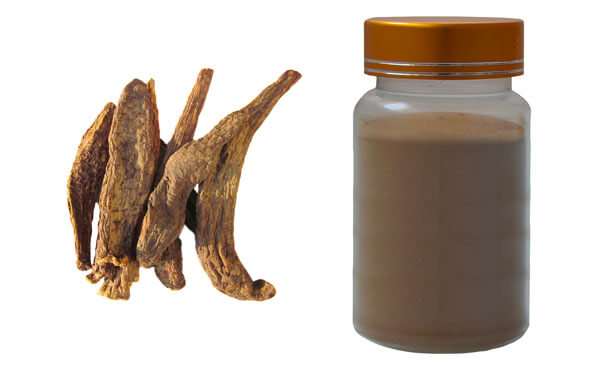
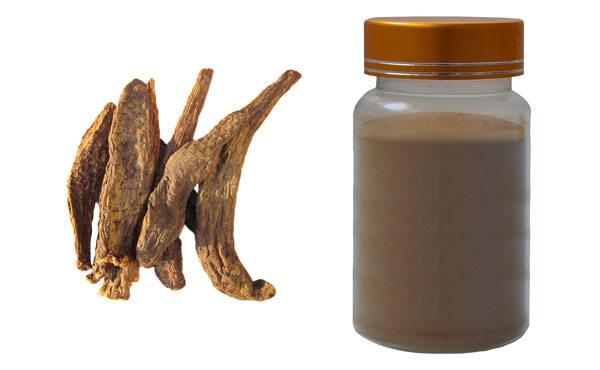
The value of Cistanches is attributed to a specific group of compounds: phenylethanoid glycosides (PhGs), with echinacoside and acteoside (verbascoside) being the primary markers of quality and activity. The raw, dried plant material is fibrous and low in concentrated actives. This is where extraction becomes non-negotiable. Suppliers use technologies like water extraction, resin adsorption, and ethanol precipitation to concentrate these target PhGs. The end product is a brown, hygroscopic powder standardized to a specific percentage of total PhGs—commonly 20%, 30%, or higher. This standardization is the core of the commercial transaction. A buyer is purchasing a guaranteed potency of actives, not just a powdered herb, which allows for precise formulation in final products like capsules, tablets, or liquid tonics.
For a manufacturer, sourcing this extract is a process defined by technical diligence. The market has a range of quality, directly reflected in the price. Key points of scrutiny are:
-
Authentication: Confirming the species (C. deserticola or C. tubulosa are most common) to avoid adulteration with less valuable varieties.
-
Standardization: The Certificate of Analysis (CoA) must clearly state the percentage of total phenylethanoid glycosides and often the specific levels of echinacoside and acteoside, verified by HPLC.
-
Safety Data: The CoA must also show compliance with limits for heavy metals, pesticide residues, aflatoxins, and microbial counts, crucial for any ingestible product.
The most reliable suppliers are those who control this chain from the desert plot to the drying and extraction facility. They can provide documentation on cultivation practices, harvest dates, and batch-to-batch consistency. Prospective buyers should insist on multiple samples for independent third-party lab testing against the supplier’s own CoA. This verification is the bedrock of a trustworthy supply relationship.
The end-use of this extract shapes the supply. While rooted in traditional concepts of vitality and kidney support, modern applications are diverse. It is a major ingredient in domestic Chinese health products and is increasingly formulated into global dietary supplements for energy, sports nutrition, and general wellness. This broad application sustains the large-scale production. Suppliers, in turn, have begun to offer more refined versions, such as extracts with 60% or higher PhG concentrations, catering to brands wanting a more potent, flagship ingredient.
Sourcing wholesale Herba Cistanches extract from China is ultimately an exercise in connecting a unique ecological product to modern manufacturing standards. It requires an understanding of the plant’s specialized growing conditions and a focus on the precise chemical profiles that define its efficacy. The successful buyer finds a supplier who acts as a true partner in this chain—one who respects the plant’s origin in the desert sands but whose final deliverable is a thoroughly modern, standardized, and documented powder, ready for a global market. The story is ancient, but the transaction is built on contemporary expectations of proof and consistency.