From Forest Niche to Factory Scale: Sourcing Lion's Mane Extract from China

The world of functional mushrooms has moved firmly into the mainstream. On shelves stocked with cordyceps and reishi, one peculiar-looking fungus has carved out a distinct space: Hericium erinaceus, commonly known as Lion's Mane. Named for its cascading, icicle-like spines, it’s celebrated not just in traditional practices but in modern nootropic and wellness circles for its potential cognitive and nerve-support properties. For brands formulating in this space, the extract is the indispensable ingredient. And a significant portion of the global supply of this specialized extract is produced by wholesale suppliers in China. This isn't a story of ancient foraging, but of modern mycelial cultivation meeting precise industrial extraction.
The first shift is in the raw material itself. While Lion's Mane grows in the wild across parts of Asia and North America, the scale required for the global supplement market cannot rely on foraged mushrooms. Consistency, volume, and control are paramount. Chinese suppliers have leveraged the country's advanced expertise in controlled-environment fungal cultivation. This means growing Lion's Mane—either the full fruiting body or, in some cases, dense biomasses of mycelium—in sterile, climate-controlled facilities. This controlled cultivation ensures a year-round, stable supply of raw material with a standardized starting profile of active compounds, free from the variability and potential contaminants of wild harvesting. It transforms the mushroom from a seasonal forest product into a reliable agricultural commodity.
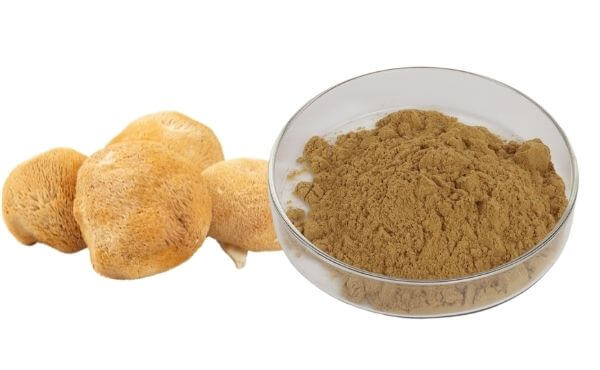
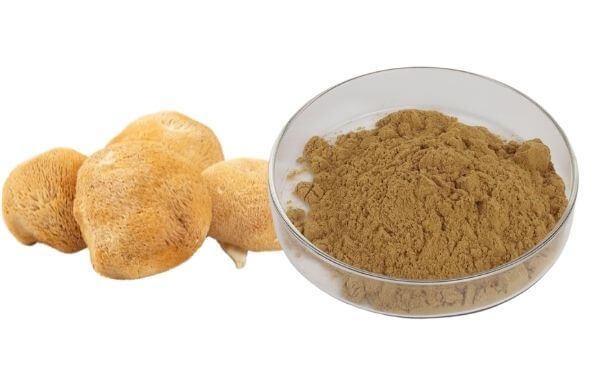
The true value, however, is unlocked in the extraction process. Eating dried Lion's Mane powder provides the whole mushroom matrix, but the targeted bioactive compounds—particularly the hericenones and erinacines studied for their neurological effects—are locked within chitinous cell walls. Suppliers use hot water or dual (water and alcohol) extraction methods to break down these walls and pull these compounds, along with beneficial polysaccharides like beta-glucans, into a concentrated form. The resulting liquid is then spray-dried into a fine, tan powder. This step is critical: it increases the potency, improves bioavailability, and creates a stable, shelf-stable ingredient that can be accurately dosed in capsules, tablets, or powdered blends.
For a buyer, engaging with these suppliers requires a focus on specification and verification. The market offers a spectrum of extracts, and the language used is key. A "fruiting body extract" differs from a "myceliated grain extract," where the grain substrate is included. The most sought-after products are typically extracts from the pure fruiting body, standardized to a marker like beta-glucan content (e.g., 30% or higher). The conversation with a supplier must center on their Certificate of Analysis (CoA). This document should detail not just beta-glucans, but also the extraction ratio (like 10:1), and confirm the absence of heavy metals, pesticides, and microbial contamination. Third-party lab verification of these claims is a standard and necessary step for any serious purchase.
The operational landscape for sourcing is tiered. There are large, GMP-certified facilities that supply the pharmaceutical and high-end international supplement brands, complete with full traceability and exhaustive documentation. There are also numerous smaller operations catering to the domestic market or lower-cost segments. The price per kilo reflects these differences, tied directly to the purity of the biomass, the extraction standard, and the rigor of the quality control. A buyer's due diligence—factory audits, sample testing, and scrutiny of stability data—is what separates a successful partnership from a problematic shipment.
An interesting technical note in this field is the ongoing research around the active compounds. While beta-glucans are a useful standardizable marker, much of the scientific interest focuses on the smaller, nerve-growth supporting molecules. Some advanced Chinese suppliers are now investing in research and development to create more refined extracts with higher concentrations of these specific compounds, using technologies like membrane filtration. This represents a move from producing a general "Lion's Mane powder" to a more targeted nootropic ingredient, catering to a sophisticated segment of the market.
Sourcing wholesale Lion's Mane extract from China, therefore, is a practical exercise in modern ingredient supply. It connects the biological fascination of a unique mushroom with the unglamorous but essential requirements of consistent manufacturing: batch-to-batch uniformity, verified potency, and assured safety. The supplier’s role is to bridge that gap, turning a cultivated fungal crop into a reliable, spec-ready powder. For brands, this access to scale and standardization is what allows them to bring a once-niche forest fungus to a global audience, ensuring that each capsule delivers not just the story of Lion's Mane, but its consistent, measurable substance.