








What Is The Importance Of Retention After Clear Aligners?

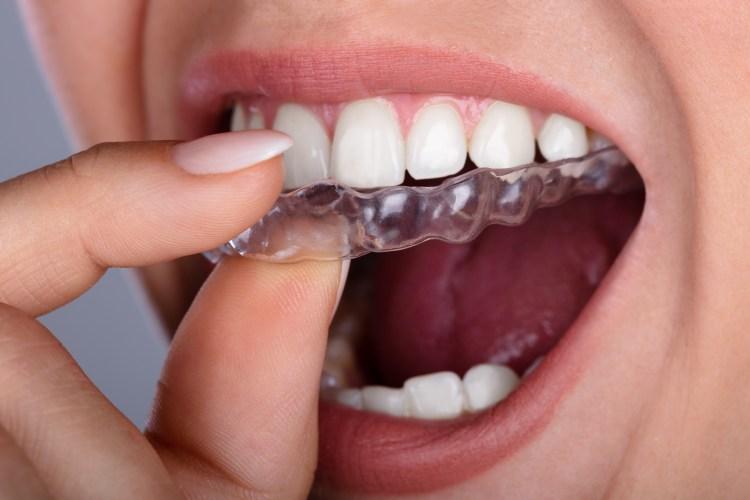
Retention after clear aligners is a critical step in maintaining the results of orthodontic treatment. Without proper retention, teeth that have been carefully realigned may gradually shift back to their original positions. Patients in Dubai seeking Clear Aligners in Dubai at leading clinics like Dynamic Clinic understand that retention ensures the longevity of their smile and protects the investment made in their dental health.
Understanding Retention in Orthodontics
Retention is the phase that follows active orthodontic treatment with clear aligners. It involves the use of retainers—custom-made devices designed to hold teeth in their new positions. The human jaw is naturally prone to changes over time, so retention stabilizes teeth while surrounding tissues adapt. This step is essential because teeth are not fixed in place and can move due to natural pressure from chewing, habits, or age-related changes.
Types of Retainers
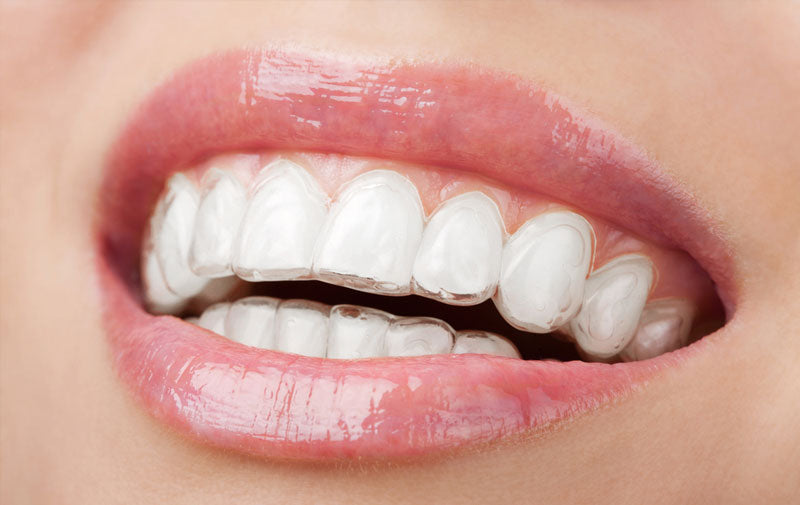
Different types of retainers serve distinct purposes in post-treatment care:
-
Fixed Retainers: Thin wires bonded to the back of teeth, providing continuous support and requiring minimal patient effort.
-
Removable Retainers: Clear or Hawley-style retainers that can be taken out for eating or cleaning. They offer flexibility but require patient compliance.
-
Combination Approach: Some patients benefit from a fixed retainer on the lower teeth and a removable one for the upper teeth to balance stability and convenience.
Each type is designed to suit the specific alignment achieved with clear aligners, ensuring that results remain consistent over time.
Why Retention Is Essential After Clear Aligners
Retention plays a pivotal role in maintaining the effectiveness of clear aligners:
-
Prevents Relapse: Teeth naturally attempt to revert to their previous positions. Retainers counteract this tendency.
-
Supports Bone and Tissue Adaptation: After movement, the bone and gums need time to adjust. Retainers help maintain stability while this occurs.
-
Maintains Bite and Function: Proper retention ensures that the bite stays aligned, preventing discomfort or functional issues.
-
Preserves Aesthetic Results: Retention helps retain the aesthetic improvements achieved through clear aligners, protecting the patient’s confident smile.
Patients who skip retention risk undoing months of treatment, leading to additional corrective procedures in the future.
Best Practices for Retention
Following retention guidelines maximizes the effectiveness of clear aligners:
-
Wear removable retainers as instructed by your orthodontist, often starting with full-time use and gradually transitioning to night-time wear.
-
Attend regular check-ups to ensure retainers fit correctly and to monitor minor tooth movements.
-
Keep retainers clean and in good condition to prevent oral hygiene issues.
-
Avoid habits such as biting nails or chewing hard objects that can compromise retainer effectiveness.
Compliance with these steps ensures that retention supports long-term dental health and alignment.
Common Challenges and Solutions
Some patients may face challenges during the retention phase:
-
Discomfort or Pressure: Slight tightness is normal initially but should decrease as teeth stabilize.
-
Loss or Damage: Keeping a backup retainer and handling devices carefully reduces disruptions.
-
Inconsistent Use: Establishing a daily routine helps maintain consistent retainer wear.
Addressing these challenges promptly helps patients maintain their treatment outcomes efficiently.
Conclusion
Retention after clear aligners is not optional—it is essential for preserving the results of orthodontic treatment. By understanding the importance of retainers, adhering to recommended guidelines, and addressing challenges proactively, patients can enjoy long-lasting alignment, a healthy bite, and a confident smile. Clinics offering Clear Aligners in Dubai, such as Dynamic Clinic, emphasize the value of retention in every treatment plan, ensuring optimal results for their patients.


