








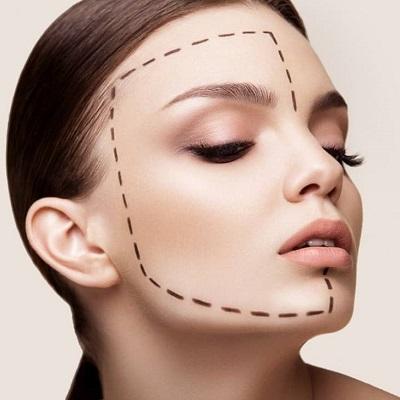
Facelift Surgery Recovery Timeline: Week-by-Week Guide

Facial aging is a natural process, but for many people, sagging skin, deep wrinkles, and loss of facial definition can affect confidence and self-image. Facelift Surgery is a well-known cosmetic procedure designed to restore a more youthful appearance by tightening facial tissues and smoothing the skin. While the results can be transformative, understanding the recovery process is just as important as knowing what the surgery can achieve.
Recovery from facelift surgery does not happen overnight. It is a gradual journey that unfolds over several weeks, with each phase bringing noticeable changes and improvements. This week-by-week guide offers a clear, realistic look at what patients can typically expect during recovery, helping readers feel prepared, confident, and informed.
Understanding Facelift Surgery and Recovery
Facelift surgery, medically known as rhytidectomy, focuses on addressing visible signs of aging in the face and neck. The procedure may involve lifting underlying tissues, removing excess skin, and redefining facial contours. Because it works beneath the surface of the skin, recovery requires patience and proper aftercare.
Every individual heals differently. Factors such as age, overall health, skin quality, and adherence to post-surgical instructions can influence recovery speed. While this guide outlines a general timeline, it is important to remember that some swelling or tightness may resolve sooner or later depending on the individual.
The First 24 to 48 Hours After Facelift Surgery
The initial days following facelift surgery are often the most physically noticeable. During this time, the body begins its natural healing response.
Swelling and bruising typically appear around the cheeks, jawline, and neck. Mild to moderate discomfort is common, but it is usually manageable with prescribed or recommended pain relief. A feeling of tightness or numbness in the face may also occur, which is expected as the tissues adjust.
Rest is essential during this stage. Keeping the head elevated helps reduce swelling, and patients are often advised to limit facial movements such as excessive talking or chewing. Cold compresses may be suggested to minimize inflammation, but they should be used carefully and according to instructions.
Week 1: Early Healing and Adjustments
The first week after facelift surgery is all about gentle recovery. Swelling and bruising are still present but often begin to peak and then slowly subside. Some individuals may notice uneven swelling, which is a normal part of the healing process.
Stitches or dressings, if present, are usually removed toward the end of this week. The face may still feel tight, and areas of numbness can persist. Energy levels may be lower than usual, making rest and light activities the best approach.
During this period, proper skincare is important. Cleansing should be gentle, and any recommended ointments or creams should be applied as directed. Sun exposure should be avoided, as healing skin is especially sensitive.
Week 2: Visible Improvements Begin
By the second week, many patients notice a significant improvement in their appearance. Bruising often fades to lighter shades and becomes easier to conceal, while swelling continues to decrease.
Most people feel comfortable resuming light daily activities and returning to non-strenuous work. Facial tightness may still be present, but it typically feels less intense. The face may look slightly overcorrected or firm at this stage, which is normal and temporary.
Emotional well-being can improve during this phase, as early results of facelift surgery become visible. However, patience remains important, as the final outcome is still weeks away.
Weeks 3 to 4: Returning to Normal Routines
Between the third and fourth weeks, recovery enters a more comfortable phase. Swelling continues to diminish, and facial contours appear more natural. Any residual bruising is usually minimal and easy to cover with makeup if desired.
Most individuals can gradually return to regular routines, including light exercise, as long as it does not strain the face or neck. The skin may still feel slightly firm or sensitive, especially around incision areas, but this typically improves with time.
At this stage, the face begins to reflect a refreshed, rejuvenated look rather than a “post-surgery” appearance. Friends and family may notice that the individual looks well-rested or younger without immediately identifying the cause.
Months 2 to 3: Refinement and Natural Results
As facelift surgery recovery progresses into the second and third months, subtle refinements continue. Swelling is largely resolved, and the skin adapts to its new contours. Any lingering numbness often decreases, and facial expressions feel more natural.
Scars, if present, usually fade and become less noticeable during this time. With proper skincare and sun protection, they often blend well into natural skin creases.
This phase is when many patients fully appreciate the results of facelift surgery. The face appears smoother, firmer, and more youthful while still maintaining natural expressions and features.
Long-Term Healing and Maintenance
While most visible healing occurs within the first few months, complete internal healing can take up to a year. Minor changes in skin texture or sensation may continue during this time.
Maintaining results involves adopting healthy lifestyle habits. Consistent skincare, sun protection, balanced nutrition, and avoiding smoking all contribute to long-lasting outcomes. Facelift surgery does not stop the aging process, but it can significantly reset the clock when combined with good self-care.
Tips for a Smooth Facelift Surgery Recovery
A successful recovery depends on more than time alone. Following aftercare instructions closely plays a major role in healing. Staying hydrated, eating nutrient-rich foods, and getting enough sleep support the body’s natural repair processes.
It is also important to manage expectations. Recovery is not linear, and some days may feel better than others. Understanding that temporary swelling or tightness is part of the journey can reduce unnecessary worry.
Emotional support can be just as valuable as physical care. Feeling reassured during recovery helps individuals stay positive and focused on the long-term benefits of facelift surgery.
Frequently Asked Questions (FAQs)
1. How long does it take to recover from facelift surgery?
Initial recovery typically takes two to four weeks, during which swelling and bruising improve significantly. Full healing and final results may take several months.
2. Is facelift surgery recovery painful?
Discomfort is usually mild to moderate and manageable with proper care. Most patients describe the sensation as tightness or soreness rather than severe pain.
3. When can normal activities be resumed after facelift surgery?
Light activities can often resume within two weeks, while more strenuous exercise may need to wait four to six weeks, depending on individual healing.
4. Will there be visible scars after facelift surgery?
Incisions are typically placed in discreet areas. Over time, scars tend to fade and become less noticeable with proper care.
5. How long do facelift surgery results last?
Results can last many years, especially when combined with healthy lifestyle choices and good skincare habits.
6. Can swelling last longer than expected after facelift surgery?
Yes, mild swelling can persist for several months. This is normal and usually resolves gradually as healing continues.
Final Thoughts
Facelift surgery recovery is a journey that unfolds step by step, revealing improvements with each passing week. Understanding the timeline helps set realistic expectations and reduces anxiety during the healing process. While patience is essential, the gradual transformation often leads to a refreshed, confident appearance that feels well worth the wait.
By focusing on proper care, healthy habits, and a positive mindset, individuals can navigate facelift surgery recovery smoothly and enjoy results that enhance their natural beauty for years to come.


