








Is Ice Cream Gluten Free? Safe Flavors and Tips Guide

Ice cream is one of the most popular desserts worldwide, enjoyed in every season. For people following a gluten free diet, however, eating ice cream is not always simple. While many assume ice cream is naturally gluten free, hidden ingredients, mix-ins, and preparation methods can make certain options unsafe. Those with celiac disease or gluten sensitivity must understand which ice creams are safe, what ingredients to avoid, and how to enjoy this dessert without risking their health. This guide explains everything beginners need to know about gluten free ice cream.
Is Ice Cream Naturally Gluten Free
At its core, ice cream is made from milk, cream, sugar, and flavoring. These ingredients do not contain gluten. This means plain ice cream is naturally gluten free. Problems arise when additional ingredients are added, such as cookies, cake pieces, syrups, or thickening agents. Because of these additions, not all ice cream is safe even if it looks simple. Understanding ingredient lists is the first step toward safe choices.
Common Sources of Gluten in Ice Cream
Gluten can enter ice cream in several ways. Cookie dough, brownie chunks, cake swirls, and biscuit crumbs are common sources. Malt flavoring, often used in chocolate or caramel varieties, also contains gluten. Some stabilizers and flavorings may be wheat-based as well. Even ice cream without gluten ingredients may be processed on shared equipment, increasing cross contamination risk.
Gluten Free Ice Cream Flavors
Many ice cream flavors can be safe when prepared without risky mix-ins. These usually include:
-
Vanilla
-
Chocolate
-
Strawberry
-
Coffee
-
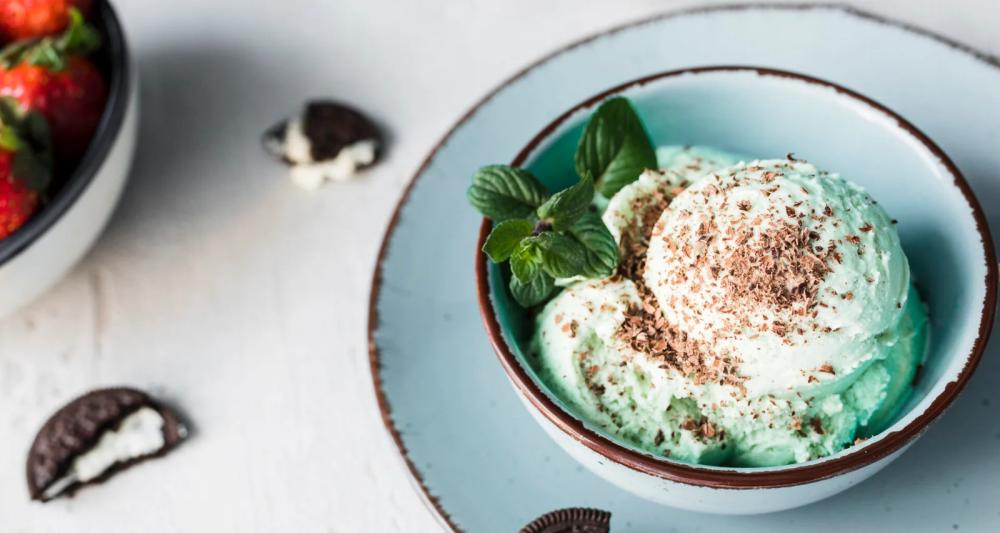
Mint without cookie pieces
Simple flavors with no added textures or swirls are generally the safest choices for gluten free diets.
Ice Cream Flavors to Avoid
Certain flavors almost always contain gluten and should be avoided unless clearly labeled gluten free:
-
Cookies and cream
-
Cookie dough
-
Brownie fudge
-
Cake batter
-
Malt chocolate
These flavors usually contain wheat-based ingredients that make them unsafe.
Importance of Label Reading
Reading labels is essential when choosing ice cream. Look for wheat, barley, malt, or rye in the ingredient list. Also check allergen statements such as “contains wheat” or “may contain wheat.” Ice creams labeled gluten free must meet strict safety standards, making them a safer option for people with gluten intolerance.
Cross Contamination Risks
Cross contamination is one of the biggest risks for gluten free ice cream lovers. Shared machines, scoops, and storage containers can transfer gluten from one flavor to another. This is especially common in ice cream parlors where multiple flavors are handled with the same utensils. Even a trace amount of gluten can cause symptoms for sensitive individuals.
Ice Cream Parlors vs Store-Bought
Store-bought ice cream is often safer because ingredient labels and allergen warnings are clearly provided. Ice cream parlors carry higher risk due to shared equipment and open toppings. Choosing pre-packaged ice cream or sealed containers significantly reduces cross contamination concerns. When ordering from parlors, asking about cleaning procedures is essential.
Ice Cream Cones and Gluten
Traditional cones are usually made with wheat flour and are not gluten free. Waffle cones and cake cones almost always contain gluten. The safest option is choosing a cup. Some manufacturers now produce certified gluten free cones made from alternative flours, which can be safe when verified.
Toppings and Mix-Ins
Toppings can quickly turn safe ice cream into an unsafe dessert. Sprinkles, cookie crumbs, wafer sticks, and brownie bits often contain gluten. Safer options include fruit, nuts, chocolate chips labeled gluten free, and sauces without malt. Many people enhance their dessert using gluten free toppings to maintain safety while improving flavor.
Making Ice Cream at Home
Homemade ice cream is one of the safest choices for gluten free individuals. By using fresh cream, milk, sugar, and natural flavorings, you maintain full control over ingredients. Homemade ice cream allows you to avoid cross contamination entirely and experiment with safe mix-ins such as fruit or certified gluten free cookies.
Ice Cream for Children
Children on a gluten free diet may find ice cream especially tempting due to colorful flavors and toppings. Parents should stick to plain flavors, avoid cones, and choose cups only. Pre-packaged or homemade ice cream remains the safest option for children to prevent accidental gluten exposure.
Eating Ice Cream While Traveling
Traveling can make gluten free eating more difficult. Ice cream shops may not always provide ingredient details. In such situations, packaged ice cream from grocery stores or hotels is often safer. Bringing your own safe toppings or snacks can help maintain dietary safety during trips.
Gluten Free Certifications
Certified gluten free ice cream follows strict production guidelines. These products are tested to ensure gluten levels remain below accepted safety limits. While certification is not mandatory, it provides extra confidence, especially for people with celiac disease. Choosing certified products whenever possible reduces risk.
Common Mistakes to Avoid
Many people unintentionally consume gluten by making simple mistakes:
-
Assuming all ice cream is gluten free
-
Choosing flavored or mixed varieties without checking labels
-
Ignoring cross contamination risks at parlors
-
Eating ice cream cones without verification
-
Trusting staff without confirming ingredients
Avoiding these mistakes can prevent serious reactions.
Tips for Safe Ice Cream Enjoyment
To enjoy ice cream safely:
-
Choose simple flavors
-
Avoid mix-ins unless verified gluten free
-
Read labels carefully
-
Use cups instead of cones
-
Prefer pre-packaged or certified options
These steps help reduce anxiety and improve confidence when enjoying dessert.
Final Thoughts
Ice cream can absolutely be part of a gluten free lifestyle when chosen wisely. Although the base ingredients are naturally gluten free, mix-ins, cones, toppings, and preparation methods can introduce hidden risks. By selecting plain flavors, checking labels, avoiding cross contamination, and using gluten free toppings, individuals can enjoy ice cream safely and confidently. With proper knowledge and awareness, gluten free ice cream can remain a delicious and worry-free treat.


