








The Floral Source of Sidr Honey and Why It Matters

When we open a jar of honey, we often think about its sweetness and smooth texture. But behind every spoonful is a journey that begins with tiny flowers and busy bees. The floral source of honey plays a big role in shaping how it tastes, smells, and even how it looks. One of the most valued types of honey in the world comes from the blossoms of the Sidr tree. This special connection between flower and honey is what gives Sidr honey its unique character and why so many people seek it out.
Understanding where honey comes from helps us appreciate it more. It also helps us make better choices when buying and using it in our daily lives. This article explores the floral source of Sidr honey, how it shapes the final product, and why this natural connection truly matters.
What Is the Sidr Tree? A Simple Botanical Overview
The Sidr tree, also known by its botanical name Ziziphus, is a hardy tree that grows in warm and dry regions. You can often find it in parts of the Middle East, South Asia, and North Africa. The tree is known for its strong branches, small green leaves, and delicate yellowish flowers.
These flowers may look simple, but they are rich in nectar. When the Sidr tree blooms, it creates a short but important season for bees. During this time, bees gather nectar mainly from these blossoms, which leads to the production of what we call Sidr honey. Because the nectar comes mostly from one type of flower, the honey is often described as “single-flower” or “monofloral,” making it more special and valued.
The Journey from Flower to Hive
The process of turning flower nectar into honey is a natural teamwork between bees and their environment. It begins when bees visit the Sidr blossoms to collect nectar. They store this nectar in a special part of their body and carry it back to the hive.
Inside the hive, the nectar is passed from bee to bee. During this process, natural enzymes are added, and water content is slowly reduced. The bees then store the thickened nectar in honeycomb cells and seal it with wax. Over time, this becomes the rich and smooth honey that we enjoy. The clean air, healthy trees, and natural surroundings all play a role in shaping the final quality of the honey.
How Floral Source Shapes Taste, Color, and Aroma
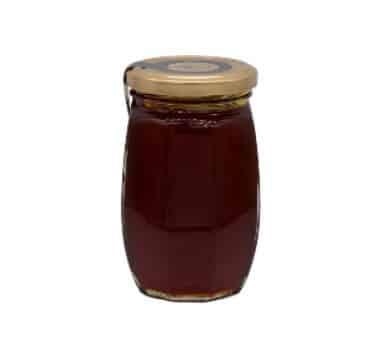
One of the first things people notice about Sidr honey is its deep color. It often ranges from golden brown to dark amber. This rich shade comes from the natural compounds found in the Sidr flowers.
The taste is also shaped by the blossoms. Sidr honey is known for its smooth sweetness with a slightly herbal or woody note. It is not overly sharp or too mild, which makes it enjoyable for both new and experienced honey lovers. The aroma can be gentle yet warm, reminding many people of flowers and nature.
These qualities show how powerful the floral source is. Even though all honey comes from nectar, the type of flower makes a big difference in the final experience.
The Nutritional Influence of Sidr Blossoms
The flowers of the Sidr tree do more than just provide sweetness. They also pass on small amounts of natural minerals and plant compounds into the honey. While honey is mainly made of natural sugars, it can also contain trace elements that come from the soil and plants where the tree grows.
Because Sidr honey comes mostly from one type of flower, many people believe it keeps a more consistent natural profile. This is one of the reasons it is often chosen for traditional wellness uses. Some enjoy it in warm water, herbal teas, or simple home remedies, appreciating both its taste and its natural origin.
Regional Differences in Sidr Honey
Not all Sidr honey tastes exactly the same. The region where the tree grows can change the honey’s character. Soil quality, rainfall, temperature, and altitude all influence how the Sidr tree produces nectar.
For example, honey from mountain regions may have a slightly stronger taste, while honey from valley areas may be milder and lighter in color. These small differences make each batch unique. Just like with coffee or olive oil, the place of origin adds a story and personality to the product.
Cultural and Traditional Value of Sidr Flowers and Honey
In many cultures, Sidr honey is more than just a food. It is often used as a symbol of care and respect. Families may gift it during special occasions, festivals, or visits to loved ones.
Traditionally, it has been used in warm drinks, simple desserts, and even in daily morning routines. Some people mix it with herbs or seeds as part of old home practices. Today, you may also find special blends like sider honey with ginko biloba, which combine traditional honey with plant extracts to create modern wellness products inspired by ancient ideas.
How to Identify Genuine Sidr Honey by Its Floral Traits
With the popularity of Sidr honey, it is important to know how to recognize the real thing. Genuine Sidr honey often has a thick and slow-flowing texture. Its color is usually darker than many regular honeys.
The smell should be pleasant and natural, not overly sweet or artificial. When you taste it, the flavor should feel smooth and rich, without a sharp or sugary aftertaste. While home tests can give hints, buying from trusted sources is one of the best ways to ensure quality.
Choosing and Storing Sidr Honey for Best Quality
When buying Sidr honey, look for clear labeling that mentions its floral source and place of origin. This helps you understand what you are getting. Packaging in glass jars is often preferred because it helps preserve flavor and aroma.
Storage also matters. Keep honey in a cool, dry place away from direct sunlight. Make sure the lid is tightly closed to prevent moisture from entering. With proper care, honey can keep its quality for a long time and continue to offer the same rich taste and natural scent.
A Note on Quality and Trusted Food Sources
Just as with honey, many people today pay attention to where their other foods come from. Whether it is grains, fruits, or dairy products, choosing reliable suppliers can bring peace of mind. Some families prefer buying from a trusted milk brand in uae or other known sources to ensure freshness and quality in their everyday meals.
Conclusion: Why the Flower Behind the Honey Truly Matters
Sidr honey is a beautiful example of how nature’s small details can make a big difference. The delicate blossoms of the Sidr tree shape the honey’s color, taste, and aroma, giving it a character that stands apart from other types of honey.
By understanding the floral source, we learn to value honey not just as a sweetener, but as a natural product with a story that begins in the heart of a flower. Choosing genuine Sidr honey, storing it with care, and enjoying it mindfully allows us to connect with this journey from tree to hive to table. Sometimes, the simplest foods carry the richest stories, and Sidr honey is a perfect example of that natural beauty.


