








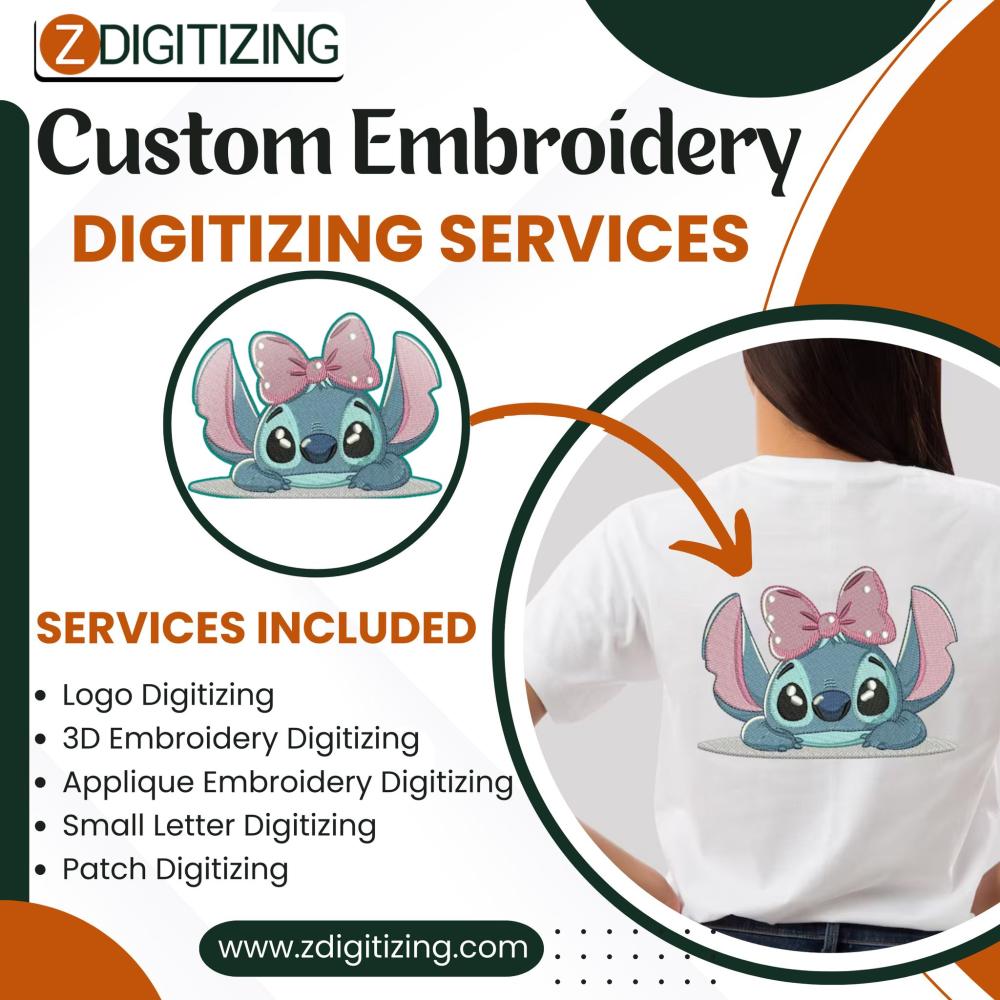
Best Logo Digitizing: Turning Brand Identity into Perfect Embroidery

A logo represents a business’s identity and values. When that logo is applied through embroidery on uniforms, caps, bags, or promotional products, accuracy becomes essential. Logo digitizing is the process that makes this possible. The best logo digitizing ensures the embroidered result matches the original design in clarity, proportion, and durability.
Logo digitizing is not a basic file conversion. It requires hands-on experience, technical knowledge of embroidery machines, and an understanding of how thread behaves on different fabrics. A well-digitized logo helps maintain brand consistency and ensures professional results across all embroidered items.
What Is Logo Digitizing?
Logo digitizing is the conversion of a graphic logo into an embroidery file that machines can read. This file contains precise instructions such as stitch type, stitch direction, stitch order, and stitch density. Unlike printed graphics, embroidery depends heavily on stitch planning to avoid distortion or production issues.
A professionally digitized logo results in clean outlines, smooth stitch flow, consistent thread coverage, and reduced machine errors during production.
Why Quality Logo Digitizing Matters
Quality digitizing directly affects how an embroidered logo looks and performs over time. Even advanced embroidery machines cannot fix poorly digitized designs. Professional logo digitizing focuses on both visual accuracy and production efficiency.
High-quality digitizing helps maintain brand consistency across garments, improves the overall finish of embroidered products, and reduces issues such as thread breaks, puckering, or uneven stitching. Proper stitch density also ensures the logo remains durable after repeated use and washing.
Key Elements of the Best Logo Digitizing
Not all digitizing services follow the same standards. The best logo digitizing is defined by precision, experience, and attention to detail.
Manual digitizing plays a major role, as skilled digitizers control stitch placement rather than relying only on automated software. Fabric type is carefully considered, since materials such as cotton, polyester, or structured caps require different stitch settings.
Balanced stitch density prevents fabric distortion while ensuring full coverage, and the correct use of satin, fill, and running stitches improves overall clarity. A well-digitized logo also remains readable and clean at different sizes.
Common Challenges in Logo Digitizing
Logo digitizing often involves technical challenges, even for simple designs. Small text may lose clarity, thin lines can break, and overlapping colors may create excess thread buildup. Stretchy or textured fabrics can also cause distortion if the design is not adjusted correctly.
Experienced digitizers address these issues by modifying stitch angles, simplifying unnecessary details, and testing files before final production. These steps help ensure reliable and repeatable embroidery results.
Manual Logo Digitizing vs. Auto-Digitizing
Auto-digitizing software can be useful for basic designs, but it rarely delivers consistent professional results. Automated tools often misinterpret design elements, leading to uneven stitches and production problems.
Manual logo digitizing provides better control over stitch direction, improved handling of fine details, cleaner edges, and fewer machine errors. For professional embroidery, human expertise remains essential.
Industries That Depend on Logo Digitizing
Logo digitizing is widely used across many industries where embroidered branding is important. Corporate uniforms, sports team apparel, promotional merchandise, workwear, and retail embroidery all rely on accurate digitizing. In each case, precision ensures the logo maintains its original form and professional appearance.
Choosing the Right Logo Digitizing Service
Selecting a reliable digitizing service is key to achieving consistent results. Experienced digitizers understand embroidery machines, fabric behavior, and production requirements. The best services can manage complex logos, offer reasonable turnaround times, provide revisions when needed, and support multiple embroidery file formats.
A trustworthy digitizing partner helps protect brand image and ensures smooth embroidery production.
Final Thoughts
The best logo digitizing combines technical skill and practical embroidery knowledge. It converts a flat logo into a stitch-ready design that looks clean, professional, and durable on fabric. Whether used for uniforms, promotional items, or branded apparel, quality digitizing plays a major role in preserving brand identity.
Investing in professional logo digitizing supports long-term consistency, reduces production issues, and ensures embroidered logos reflect the quality of the business behind them.
Frequently Asked Questions (FAQs)
What file formats are commonly used for logo digitizing?
Common embroidery file formats include DST, PES, EXP, and JEF. The required format depends on the embroidery machine being used.
How long does logo digitizing take?
Turnaround time varies based on logo complexity, but most professional digitizing services complete designs within 24 to 48 hours.
Can a digitized logo be resized easily?
Minor resizing is possible, but significant size changes usually require re-digitizing to maintain stitch quality and clarity.
Is logo digitizing a one-time process?
Once digitized, the file can be reused for future embroidery, as long as the size and fabric type remain compatible.


