








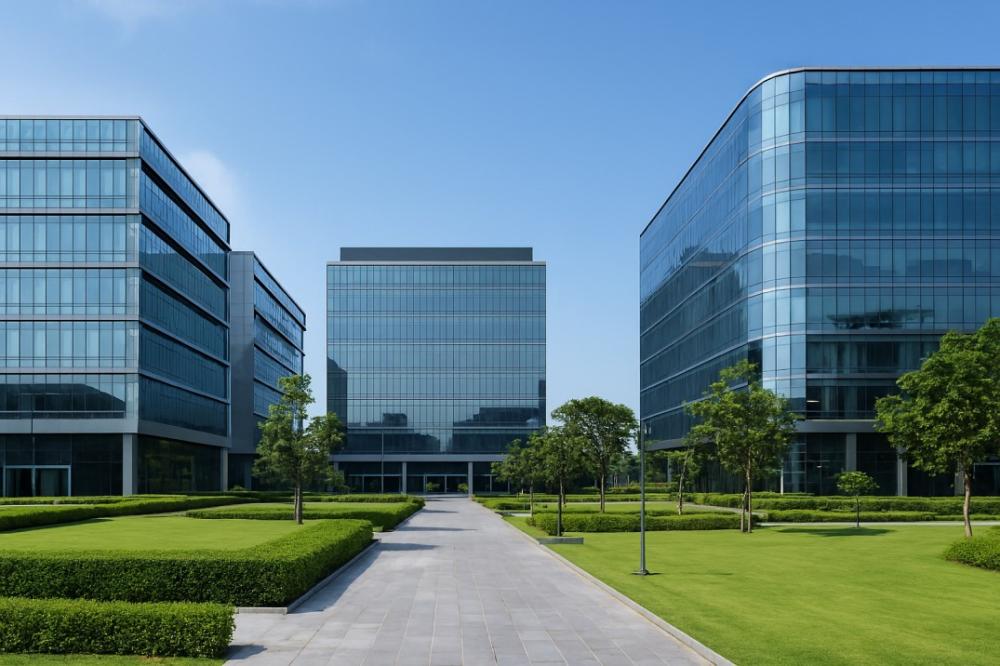
Why Tech Parks Are the Backbone of India’s IT Growth

India’s journey as a global IT powerhouse did not happen overnight. One of the strongest pillars behind this success is the rise of tech parks across the country. From Bengaluru and Hyderabad to Pune, Kochi, and Noida, tech parks have transformed cities into innovation hubs. IT park in India plays a vital role in creating a strong ecosystem where technology companies, talent, and infrastructure come together to drive growth.
Creating the Right Environment for IT Companies
Tech parks provide much more than office buildings. They offer a complete business-friendly environment designed specifically for IT and technology-driven companies. With high-quality infrastructure, reliable power supply, high-speed internet, and modern facilities, tech parks allow companies to focus on innovation rather than operational challenges.
For startups, tech parks reduce entry barriers by offering ready-to-use office spaces and shared amenities. For large enterprises and multinational companies, they provide scalable spaces that can grow with business needs. This flexibility is one of the main reasons tech parks attract both new and established IT firms.
Boosting Employment and Skill Development
One of the biggest contributions of tech parks to India’s IT growth is job creation. Millions of professionals are employed directly and indirectly through tech parks. Software developers, testers, designers, data analysts, HR professionals, and support staff all find opportunities within these campuses.
Tech parks also encourage continuous learning and skill development. Many host training centers, innovation labs, and partnerships with educational institutions. This helps bridge the gap between academic learning and industry needs, ensuring that India’s IT workforce remains competitive at a global level.
Driving Regional Development
Tech parks have helped spread IT growth beyond traditional metro cities. While cities like Bengaluru and Chennai were early leaders, new tech parks in tier-2 and tier-3 cities have changed regional economies. Cities such as Kochi, Trivandrum, Indore, and Coimbatore have seen rapid development due to the establishment of IT parks.
This regional expansion reduces pressure on major metros and creates balanced economic growth. It also allows professionals to work closer to their hometowns, improving quality of life and reducing migration stress.
Attracting Global Investments
Tech parks play a crucial role in attracting foreign investment into India. Global companies look for stable infrastructure, government support, and a skilled talent pool before setting up operations. Tech parks offer all of this in a single package.
Special Economic Zones (SEZs) within tech parks provide tax benefits and simplified regulations, making India an attractive destination for Global Capability Centers (GCCs) and R&D hubs. As a result, India has become a preferred choice for outsourcing, product development, and innovation.
Supporting Innovation and Startups
Many tech parks today are evolving into innovation ecosystems. They host incubators, accelerators, and coworking spaces that support startups and entrepreneurs. By working alongside established companies, startups gain exposure, mentorship, and business opportunities.
This close interaction between startups and large IT firms encourages collaboration, faster problem-solving, and new product development. Over time, this innovation-driven environment strengthens India’s position in emerging technologies like AI, cloud computing, fintech, and cybersecurity.
Enhancing Urban Infrastructure and Lifestyle
The impact of tech parks goes beyond technology. They contribute significantly to urban development. Improved roads, public transport, housing, healthcare, and entertainment facilities often follow the growth of tech parks. This creates well-planned urban zones where professionals can live, work, and relax.
Modern tech parks also focus on sustainability, with green buildings, energy-efficient systems, and eco-friendly practices. This ensures long-term growth without harming the environment.
Conclusion
Tech parks are not just physical spaces; they are growth engines that power India’s IT success. By providing world-class infrastructure, generating employment, attracting global investments, and promoting innovation, they have become the backbone of India’s IT growth. As technology continues to evolve, tech parks will remain central to shaping India’s digital future and strengthening its position on the global IT map.


