








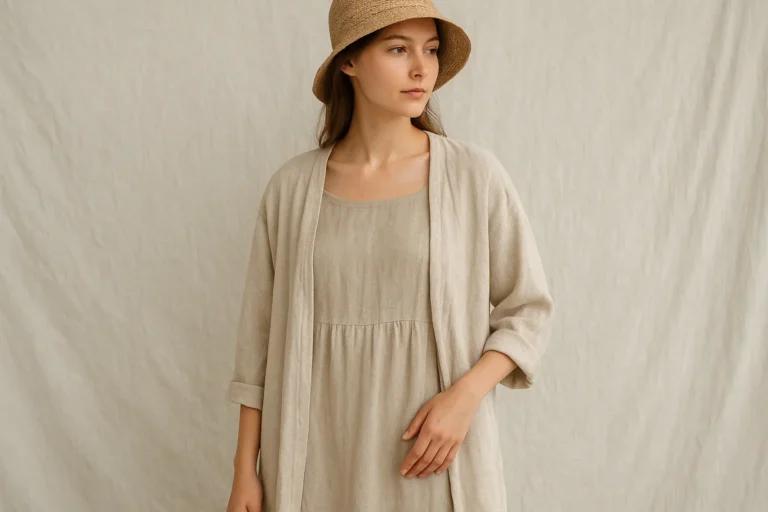
Natural style clothing

In a fashion world driven by constant change, natural style clothing has emerged as a calm and refreshing alternative. Valued for its comfort, simplicity, and sustainable mindset, this fashion approach has gained popularity among people who want to dress well while staying connected to nature. From minimalist wardrobes to eco-conscious blogs, natural clothing offers a timeless look rooted in organic materials, earthy shades, and relaxed design.
This guide explores what natural style clothing truly means, why it’s trending, the best fabrics to choose, and how to style it with ease. By the end, you’ll have a clear understanding of how to build a natural wardrobe that feels as good as it looks.
Why Natural Style Clothing Is Gaining Popularity
1. Sustainable Fashion Choices
As awareness around environmental responsibility grows, more consumers are turning toward clothing that supports ethical and eco-friendly practices. Natural fashion aligns perfectly with this shift.
2. Breathable and Comfortable Wear
Garments made from natural fibers allow better airflow and temperature regulation. They keep you cool during warmer months and provide gentle warmth when it’s cold, without the discomfort of synthetic materials.
3. The Rise of Minimalist Style
Minimalism has reshaped modern fashion. Clean lines, simple designs, and neutral colors have become symbols of sophistication—and natural style clothing fits seamlessly into this trend.
4. Suitable for All Ages and Body Types
Natural fashion is inclusive by nature. Its relaxed cuts and timeless appeal work well for every age group and body shape, offering comfort without sacrificing elegance.
Best Fabrics Used in Natural Style Clothing
Fabric selection is the foundation of natural fashion. The most commonly used materials include:
Linen
Lightweight and highly breathable, linen is ideal for warm weather. Its natural texture and soft wrinkles add character to any outfit.
Cotton
Pure cotton is soft, durable, and perfect for everyday wear. It delivers comfort while maintaining a clean, classic look.
Hemp
Hemp is one of the most environmentally friendly fabrics available. It’s strong, long-lasting, and becomes softer with use over time.
Bamboo Fabric
Known for its moisture-wicking and antibacterial qualities, bamboo fabric feels gentle on the skin and works well for sensitive wearers.
Wool
Natural wool provides warmth without trapping moisture. It’s breathable, durable, and ideal for cooler seasons.
Silk
Silk adds refinement and elegance to natural style clothing, offering a smooth texture while remaining lightweight and breathable.
Choosing these fabrics helps reduce environmental impact while improving comfort and skin health.
Colors That Define Natural Style Clothing
Natural fashion draws inspiration directly from the outdoors. Common color choices include:
-
Beige
-
White
-
Ivory
-
Earthy brown
-
Olive green
-
Mustard
-
Stone gray
-
Soft, muted blues
These tones mix and match effortlessly, making them ideal for capsule wardrobes and everyday styling.
Core Elements of Natural Style Clothing
1. Relaxed, Flowing Shapes
Instead of tight tailoring, natural style focuses on comfort and movement through pieces like:
-
Loose-fit trousers
-
Oversized shirts
-
Flowing midi and maxi dresses
-
Minimal skirts
-
Relaxed jumpsuits
2. Clean and Understated Design
Natural fashion follows a “less is more” philosophy, featuring:
-
Simple stitching
-
Subtle textures
-
Handmade or artisanal touches
-
Minimal patterns
This approach creates outfits that feel balanced, calm, and timeless.
3. Sustainable Accessories
Accessories complete the look when they’re made from natural materials, such as:
-
Wooden or stone jewelry
-
Leather or cork sandals
-
Woven hats
-
Jute or canvas bags
-
Straw baskets
These elements enhance the outfit without overpowering its simplicity.


