








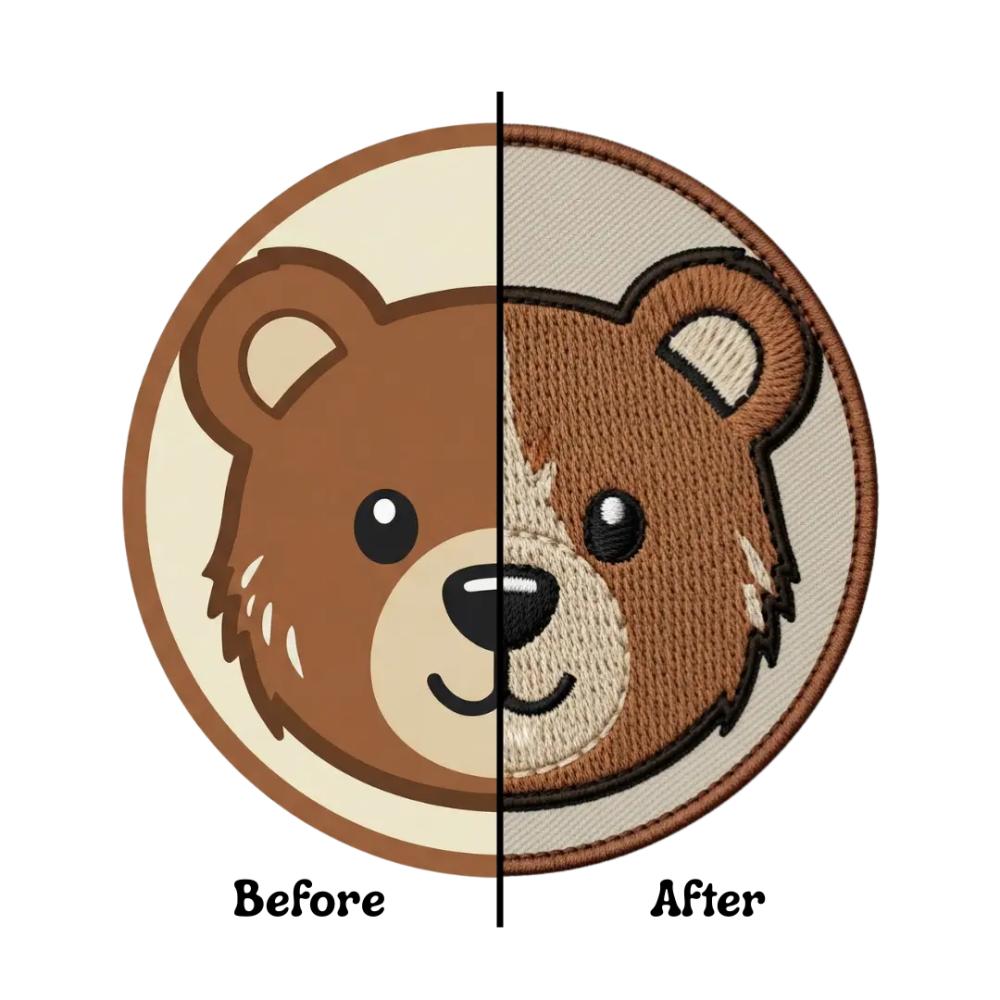
Professional Patch Digitizing: Precision in Custom Embroidery

In today’s embroidery industry, patch digitizing plays a crucial role in producing detailed, high-quality designs. Professional patch digitizing converts artwork into a digital file that embroidery machines can accurately read, ensuring each stitch reflects the original design. For businesses, organizations, and hobbyists aiming to produce custom patches, understanding professional digitizing is essential.
What Is Patch Digitizing?
Patch digitizing is the process of transforming artwork such as logos, illustrations, or text into a digital embroidery format. Unlike printing, embroidery requires precise planning of thread types, stitch density, and design scaling. Digitizing ensures that the machine reproduces the design accurately without losing detail.
Experienced digitizers use specialized software to map every stitch, considering the patch’s size, shape, and intended fabric. A poorly digitized design can result in uneven stitching, fabric puckering, or blurred details, which makes professional expertise essential.
Benefits of Professional Patch Digitizing
Investing in professional digitizing offers several advantages:
Accuracy and Detail Preservation: Skilled digitizers can handle complex designs, maintaining crisp lines and intricate details.
Efficiency in Production: Correctly digitized files reduce trial-and-error during embroidery, saving time and materials.
Consistency Across Batches: Digitized files can be reused, ensuring uniform quality for multiple patches, which is ideal for uniforms or promotional items.
Fabric-Specific Adjustments: Professionals adjust stitch type and density depending on the backing material to avoid distortion or thread breakage.
Cost-Effective Workflow: While professional digitizing has upfront costs, it prevents wasted thread, fabric, and machine time caused by errors.
Key Considerations in Patch Digitizing
Successful patch digitizing requires careful planning. Important factors include:
- Design Complexity Highly detailed logos or illustrations may need adjustment to be embroidery-friendly.
- Patch Shape and Size Round, square, or custom shapes require different stitch techniques for clean edges.
- Thread Selection Thread type and color impact appearance, durability, and sheen.
- Stitch Types Various stitches like satin, fill, and run serve different purposes, from outlining to filling areas.
- Backing Material Iron-on, sew-on, or adhesive backings influence how the patch holds its shape after production.
Common Uses of Digitized Patches
Digitized patches have diverse applications:
- Corporate Branding Companies use patches on uniforms, promotional items, and merchandise to reinforce brand identity.
- Clubs and Organizations Sports teams, scouts, and hobby groups rely on detailed patches to represent membership or achievements.
- Fashion and Apparel Designers integrate patches into clothing as decorative and durable accents.
- Event or Commemorative Patches Patches can mark milestones, anniversaries, or special events, serving as keepsakes.
Why Work with a Professional Digitizer
While there are software tools for DIY digitizing, professionals provide a higher-quality outcome. Their expertise ensures:
- Fabric Compatibility They adjust designs according to different material behaviors.
- Problem Prevention Experienced digitizers anticipate issues like thread tension problems or stitch bunching.
- Advanced Tools and Software Industry-standard software provides precise control over stitch patterns, density, and underlay techniques.
- Visual Balance Professionals use artistic judgment to make designs visually appealing and proportionally accurate.
Tips for Collaborating with a Digitizing Service
To get the best results, provide the digitizer with clear guidelines:
- Supply high-resolution or vector artwork to maintain clarity.
- Specify patch size and material to guide stitch planning.
- Discuss color schemes and thread preferences in advance.
- Request a sample stitch or proof before full production to confirm accuracy.
Conclusion
Professional patch digitizing converts creative designs into precise embroidery files, producing durable and consistent patches. For branding, apparel, or commemorative purposes, working with a skilled digitizer ensures efficiency, quality, and reliability. Investing in professional digitizing minimizes errors, saves materials, and produces a polished final product that faithfully represents your design.
FAQs About Patch Digitizing
1. Can I digitize a patch design myself?
Yes, but DIY digitizing often requires experience with embroidery software and knowledge of stitch types, thread density, and fabric behavior. Professional digitizers typically achieve higher accuracy and consistent results.
2. How long does professional patch digitizing take?
The timeline varies depending on design complexity and size. Simple designs can take a few hours, while intricate patches may require a day or more for proper digitizing and proofing.
3. What file format is used for digitized patches?
Embroidery machines typically require formats like DST, PES, EXP, or JEF. Professional digitizers provide files compatible with your machine.
4. Can all fabrics be used for embroidered patches?
Most fabrics can be embroidered, but each material behaves differently under stitching. Professional digitizers adjust stitch types and density to prevent puckering or distortion.


