








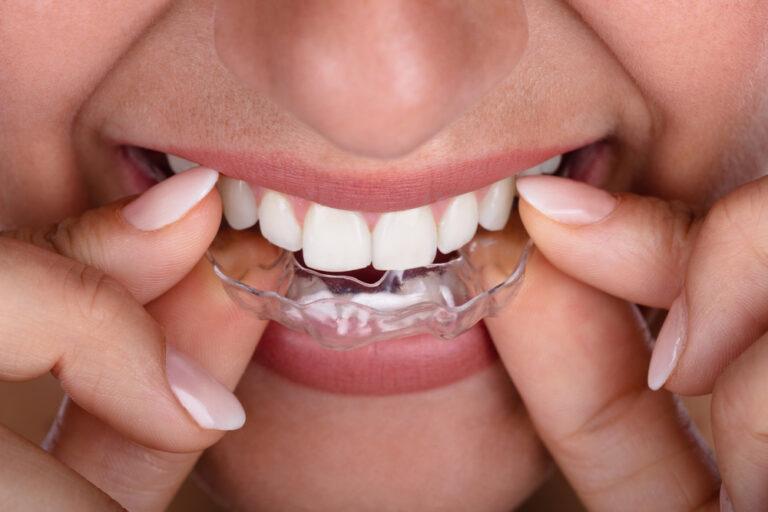
How Is Progress Monitored During Aligner Treatment?

At Dynamic Clinic in Dubai, advanced monitoring techniques are combined with regular check-ups to maintain optimal results and patient satisfaction. When considering aligner treatment, many patients wonder how their progress is tracked throughout the process. For those seeking Aligners in Dubai, monitoring progress is a crucial part of ensuring the treatment is effective and stays on schedule.
Initial Assessment and Digital Planning
Before starting aligner treatment, a thorough assessment is conducted to understand your dental structure and treatment goals. This includes:
-
3D Scans and Impressions: Digital scans create a precise model of your teeth, which is essential for tracking movement over time.
-
Customized Treatment Plan: Based on the scans, a detailed step-by-step plan is developed, outlining how each aligner will gradually adjust your teeth.
-
Visualization of Final Outcome: Patients can see a digital representation of their expected results, setting clear benchmarks for progress.
This stage establishes the baseline for monitoring teeth alignment throughout the treatment.

Regular Check-Ups and Aligners Tracking
Consistent follow-ups are key to monitoring aligner treatment progress. These visits help ensure that your teeth are moving according to the plan:
-
Scheduled Appointments: Most patients visit the clinic every 4–6 weeks to review progress.
-
Aligner Fit Assessment: The orthodontist checks how well each aligner fits, as a poor fit can indicate delayed or improper movement.
-
Adjustments if Needed: Minor modifications to the treatment plan may be made to correct any deviations from the expected progress.
These regular evaluations prevent treatment delays and maintain optimal results.
Patient Self-Monitoring Techniques
Alongside professional monitoring, patients play an active role in tracking their own progress:
-
Photographic Records: Taking photos every few weeks helps patients compare changes over time.
-
Tracking Apps: Many aligner brands offer apps to log wear time and progress, ensuring the patient follows the prescribed schedule.
-
Noticing Alignment Changes: Subtle improvements in bite, spacing, or teeth positioning can indicate the treatment is on track.
Self-monitoring empowers patients to stay engaged and accountable throughout their treatment journey.
Use of Advanced Digital Tools
Technology plays a significant role in monitoring aligner treatment:
-
3D Imaging Software: Clinics use advanced imaging to compare initial scans with current teeth positions.
-
Progress Simulation: Digital tools simulate future aligner stages to confirm teeth are moving as planned.
-
Remote Monitoring: Some clinics provide virtual check-ins, allowing patients to share progress photos and receive guidance without frequent in-person visits.
These digital solutions improve precision and allow for timely intervention if adjustments are necessary.
Maintaining Compliance for Accurate Monitoring
Progress monitoring relies heavily on patient compliance. To ensure accurate results:
-
Wear Aligners as Prescribed: Typically 20–22 hours per day to achieve planned movement.
-
Follow Care Instructions: Cleaning aligners and teeth properly prevents delays due to oral health issues.
-
Report Concerns Promptly: Any discomfort or misfitting aligner should be reported immediately to avoid setbacks.
Patient cooperation is critical for the monitoring process to reflect true progress.
Conclusion
Monitoring progress during aligner treatment combines professional oversight, patient engagement, and digital technology. Regular check-ups, precise scanning, and self-monitoring ensure that each stage of treatment is on track. For those opting for Aligners in Dubai, clinics like Dynamic Clinic provide comprehensive care to track and maintain consistent results throughout the journey.


