








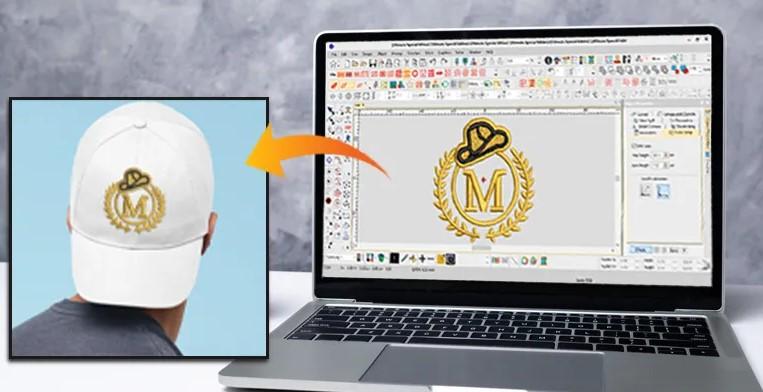
Digitize Logo for Embroidery: Creating Stitch-Ready Designs for Professional Results

Digitizing a logo for embroidery is a critical step in transforming a brand’s visual identity into a stitched design that performs well on fabric. Unlike printing or digital display, embroidery relies on thread, needle movement, and fabric behavior.
A properly digitized logo ensures accurate shape definition, smooth stitching, and long-term durability across garments and accessories. For businesses and decorators, professional logo digitizing supports consistent branding and efficient production.
What Does It Mean to Digitize a Logo for Embroidery?
Digitizing logo for embroidery involves converting artwork into a machine-readable stitch file. This file instructs an embroidery machine on stitch types, direction, density, and sequencing. The process is not automated tracing; it requires manual planning to adapt the logo to fabric and stitching limitations.
Digitized files are typically delivered in formats compatible with embroidery machines, such as DST, PES, or EXP. Each format contains precise instructions that guide the machine during production.
Why Logo Digitizing Requires Specialized Knowledge
Logos are designed for visual clarity, but embroidery introduces physical constraints. Thread thickness, fabric stretch, and stitch direction all influence how a design appears once stitched. An experienced digitizer understands these factors and adjusts the artwork accordingly.
Key considerations include:
- Stitch direction: Impacts texture, light reflection, and shape definition.
- Stitch density: Balances coverage and fabric flexibility.
- Pull compensation: Offsets fabric movement during stitching.
- Simplification: Reduces unnecessary detail that may not translate well in thread.
These adjustments ensure the embroidered logo remains recognizable and clean.
Core Elements of a Well-Digitized Embroidery Logo
Quality digitizing focuses on function as much as appearance. Each element is planned to support smooth machine operation and consistent results.
Appropriate Stitch Types
Different areas of a logo may require satin stitches, fill stitches, or running stitches. Choosing the right type improves clarity and durability.
Effective Underlay
Underlay stitches provide a foundation that stabilizes fabric and supports top stitches. Proper underlay reduces puckering and improves coverage.
Balanced Stitch Sequencing
The order of stitching affects efficiency and final appearance. Logical sequencing minimizes thread trims and reduces production time.
Accurate Scaling
A digitized logo must perform well at the intended size. Scaling without adjusting stitch properties can lead to distortion, so size planning is essential.
Benefits of Professional Logo Digitizing for Embroidery
Working with experienced digitizers provides advantages that extend beyond visual quality.
Benefits include:
- Reduced machine errors and thread breaks
- Consistent results across different garments
- Faster production with fewer test runs
- Longer-lasting embroidery that withstands wear and washing
These benefits contribute to smoother workflows and reliable output.
Logo Digitizing for Different Fabrics and Products
Fabric type significantly affects how embroidery behaves. A skilled digitizer adapts the logo file based on the intended application.
- Cotton and twill: Allow for standard density and clear stitch definition.
- Knits and performance fabrics: Require lighter density and careful underlay to prevent distortion.
- Caps and hats: Need specialized digitizing to address curvature and seams.
- Outerwear: May require adjustments for thicker materials.
Tailoring the digitized logo to the product ensures consistent quality across applications.
The Logo Digitizing Process Explained
Understanding the process helps businesses appreciate the expertise involved in professional digitizing.
The typical workflow includes:
- Reviewing the logo and intended embroidery use
- Redrawing artwork with stitch logic in mind
- Assigning stitch types, directions, and densities
- Testing and refining the file
- Delivering machine-ready formats
This structured approach reflects experience and attention to detail.
Choosing a Trustworthy Logo Digitizing Service
Not all digitizing services deliver the same level of quality. Selecting a provider with proven expertise supports better outcomes.
Consider services that offer:
- A portfolio showing embroidery-focused digitizing
- Knowledge of multiple machine formats
- Clear communication about revisions
- Quality checks before final delivery
These factors align with modern expectations for professionalism and reliability.
Long-Term Value of Digitized Logos
A properly digitized logo is a long-term asset. Once created, it can be reused across multiple garments, colors, and production runs with minimal adjustments. This consistency supports brand recognition and reduces future setup costs.
As embroidered branding continues to be widely used in apparel and promotional products, reliable logo digitizing remains an essential service.
Final Thoughts
Digitizing a logo for embroidery is both a technical and creative process. By combining embroidery knowledge with precise stitch planning, professional digitizers create files that translate logos accurately into thread. For businesses and decorators seeking dependable results, investing in expert logo digitizing ensures consistent quality, efficient production, and lasting brand representation.


