








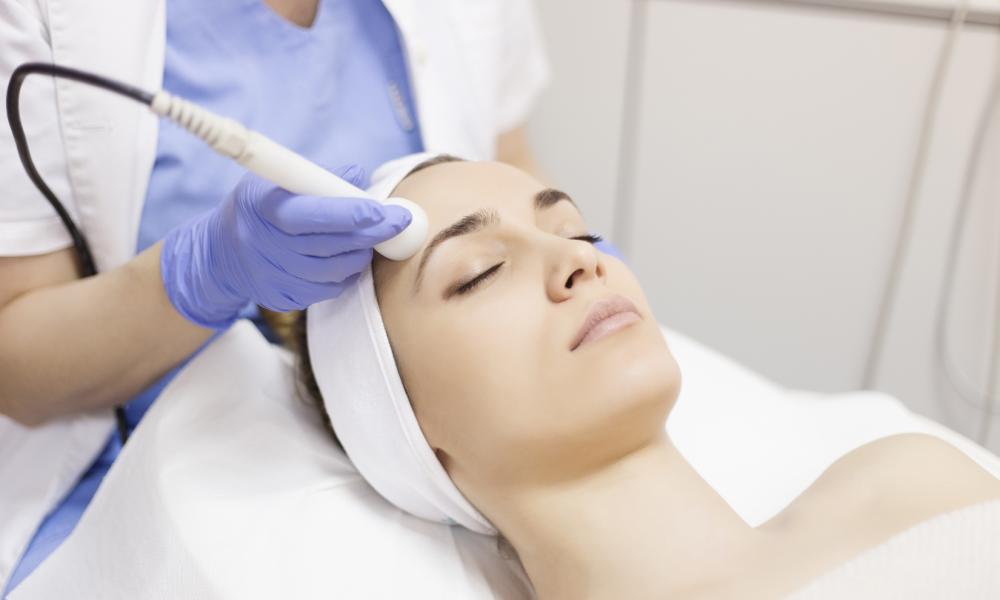
How Safe Is Laser Therapy for Treating Rosacea Symptoms?

Rosacea is a chronic skin condition that causes persistent redness, visible blood vessels, flushing, and sometimes acne-like bumps. For many people, managing these symptoms can feel frustrating and emotionally draining. In recent years, laser therapy has emerged as a popular option for reducing rosacea-related redness and vascular issues. With the growing interest in Laser Treatments in Dubai, many individuals are asking an important question: how safe is laser therapy for treating rosacea symptoms?
This article explores the safety, effectiveness, and considerations of laser therapy for rosacea, helping readers make informed decisions with confidence.
Understanding Laser Therapy for Rosacea
Laser therapy works by delivering focused light energy into the skin. This energy targets visible blood vessels and redness associated with rosacea without damaging the surrounding tissue.
How Laser Technology Targets Rosacea
Lasers emit specific wavelengths of light that are absorbed by hemoglobin in blood vessels. When the light is absorbed, it converts to heat, causing the vessels to collapse and gradually fade. Over time, this leads to a reduction in redness and flushing.
Types of Symptoms That Respond Well
Laser therapy is especially effective for:
-
Persistent facial redness
-
Broken capillaries (telangiectasia)
-
Flushing episodes
-
Uneven skin tone caused by vascular rosacea
It is generally less effective for inflammatory bumps or severe pustular rosacea, which may require other approaches.
Safety Profile of Laser Therapy
One of the biggest advantages of laser therapy is its strong safety record when used appropriately.
Is Laser Therapy Clinically Safe?
Laser therapy is considered a non-invasive and well-studied procedure. When performed correctly, it has a low risk of complications. The technology has been used in dermatology for decades, and advancements have significantly improved precision and comfort.
Most individuals tolerate the procedure well, experiencing only mild and temporary side effects.
Common and Temporary Side Effects
Some short-term effects may include:
-
Mild redness or swelling
-
Temporary warmth or tingling
-
Slight sensitivity for a few days
These effects typically resolve on their own and are part of the normal healing process.
Rare Risks to Be Aware Of
Although uncommon, potential risks can include:
-
Temporary bruising
-
Changes in skin pigmentation
-
Increased sensitivity if aftercare is ignored
These risks are minimized when proper skin assessment and post-treatment care are followed.
Who Is a Good Candidate for Laser Therapy?
Not everyone with rosacea will have the same experience with laser therapy, so individual suitability matters.
Skin Types and Sensitivity
Laser therapy can be used on a variety of skin tones, but settings must be adjusted carefully. People with very sensitive skin or darker skin tones may require extra caution to avoid pigmentation changes.
Severity and Type of Rosacea
Those with primarily vascular symptoms—such as redness and visible blood vessels—tend to see the most noticeable results. Individuals with active flare-ups or inflammatory lesions may need to stabilize their condition first.
What to Expect During and After Treatment
Understanding the process helps reduce anxiety and ensures realistic expectations.
During the Procedure
Laser sessions are relatively quick and typically last between 15 to 30 minutes. A cooling system or gel is often used to enhance comfort. Most people describe the sensation as a mild snapping or warming feeling.
Recovery and Aftercare
Downtime is minimal. Patients are usually advised to:
-
Avoid direct sun exposure
-
Use gentle skincare products
-
Apply sunscreen consistently
Following aftercare instructions plays a major role in both safety and results.
Long-Term Safety and Results
Laser therapy does not cure rosacea, but it can significantly reduce visible symptoms and improve quality of life.
Are Results Permanent?
The treated blood vessels do not usually return, but rosacea is a chronic condition. New vessels may form over time, especially if triggers are not managed. Maintenance sessions may be needed for long-term control.
Can Laser Therapy Be Repeated Safely?
Yes, laser therapy can be repeated when necessary. Treatments are typically spaced weeks apart to allow the skin to heal fully. When done responsibly, repeat sessions remain safe and effective.
Final Thoughts on Laser Therapy for Rosacea
Laser therapy has proven to be a safe, effective, and minimally invasive option for managing rosacea-related redness and visible blood vessels. With modern advancements, risks are low, recovery is quick, and results can be life-changing for those struggling with persistent facial redness.
While it is not a cure, laser therapy offers long-term symptom control and improved skin confidence when combined with proper skincare and trigger management. Understanding the safety aspects and setting realistic expectations allows individuals to approach treatment with clarity and peace of mind.


