








Exosome Therapy for Hair Loss: The Science Behind the Breakthrough

Hair loss affects millions of men and women worldwide, driving constant demand for innovative, science-backed solutions. In recent years, regenerative medicine has introduced a promising advancement that goes beyond traditional treatments like PRP or medications. This breakthrough focuses on cellular communication and repair, offering a more targeted and biologically advanced approach to restoring hair health. Among these innovations, exosomes for hair have emerged as a next-generation option designed to address hair thinning at its root cause rather than masking the symptoms.
Understanding Exosome Therapy:
Exosome therapy is a regenerative treatment derived from stem-cell research, where microscopic extracellular vesicles called exosomes are used to deliver growth signals directly to scalp cells, helping reactivate dormant hair follicles, improve scalp health, and support the natural hair growth cycle.
-
Exosomes act as messengers between cells
-
They carry proteins, growth factors, and genetic signals
-
They do not contain live cells, making them safer and more stable
-
They target follicle repair rather than surface-level stimulation
The Science Behind Hair Regeneration:
Hair follicles rely on constant cellular communication to maintain growth, strength, and density, and when these signals weaken, hair enters a shedding or dormant phase; exosome therapy works by restoring this communication at a molecular level, helping follicles re-enter the active growth phase more efficiently.
-
Enhances cellular signaling pathways
-
Stimulates angiogenesis for better blood supply
-
Reduces inflammatory responses linked to hair loss
-
Supports follicle stem cell activity
How Exosome Therapy Is Performed:
The treatment process is minimally invasive and designed to integrate seamlessly into clinical hair restoration procedures, typically involving scalp injections or microneedling-assisted delivery to ensure optimal absorption.
-
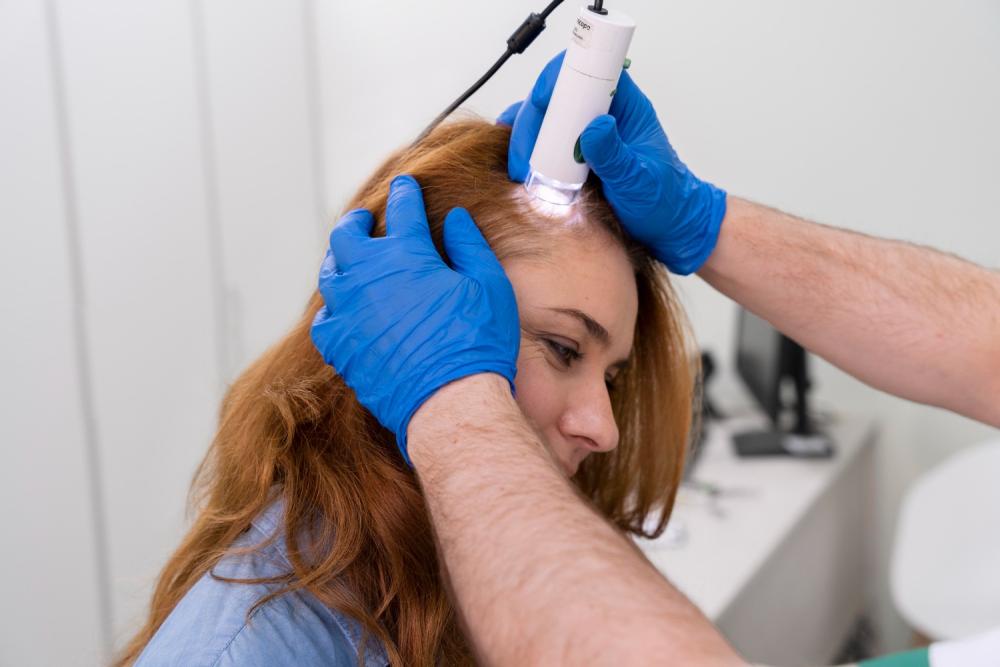
Scalp assessment and hair loss evaluation
-
Preparation of purified exosome solution
-
Targeted application to thinning areas
-
No surgical downtime or stitches required
Key Benefits of Exosome-Based Hair Treatments:
Unlike conventional treatments that often require long-term medication use, exosome therapy focuses on regeneration and repair, making it appealing for individuals seeking a more advanced and natural solution.
-
Improves hair density and thickness
-
Strengthens existing hair strands
-
Supports healthier scalp environment
-
Suitable for both men and women
-
Can complement PRP or hair transplant procedures
Who Is an Ideal Candidate:
This therapy is best suited for individuals experiencing early to moderate hair thinning, although it can also benefit those seeking enhanced results after other hair restoration treatments.
-
Androgenetic alopecia (male or female pattern hair loss)
-
Postpartum or stress-related hair thinning
-
Weak or slow-growing hair
-
Patients not responding well to topical treatments
Safety and Clinical Considerations:
Because exosomes are cell-free and highly purified, the risk of allergic reaction or immune rejection is significantly lower compared to traditional stem cell therapies, making the treatment well-tolerated when performed by qualified professionals.
-
Non-immunogenic and biocompatible
-
Minimal risk of infection
-
No hormonal interference
-
Clinically researched in regenerative medicine
Results and Expected Timeline:
Hair regeneration is a gradual biological process, and while early improvements in scalp health may appear within weeks, visible hair growth typically develops over several months as follicles complete their natural cycles.
-
Reduced hair shedding in early stages
-
Improved scalp texture and hydration
-
Progressive increase in hair thickness
-
Optimal results often seen after 3–6 months
Comparison With Traditional Hair Loss Treatments:
When compared to medications or PRP alone, exosome therapy offers a more advanced mechanism by directly influencing cellular behavior rather than simply increasing blood flow or blocking hormones.
-
No daily medication dependency
-
More targeted follicle activation
-
Longer-lasting regenerative effects
-
Can be used alongside existing treatments
Cost Factors and Accessibility:
The pricing of exosome therapy can vary based on clinic expertise, source quality, and treatment protocol, but many patients consider it a worthwhile investment due to its advanced science and long-term benefits.
-
Quality and origin of exosomes
-
Number of sessions required
-
Clinic reputation and technology
-
Combination with other procedures
Final Thoughts
Exosome therapy represents a major shift in how hair loss is treated, focusing on cellular repair, communication, and regeneration rather than temporary solutions. By leveraging the body’s natural biological signals, this treatment offers a sophisticated and science-driven option for individuals seeking meaningful, long-term improvement in hair health. As research and clinical applications continue to expand, exosome-based therapies are poised to redefine the future of hair restoration.


