








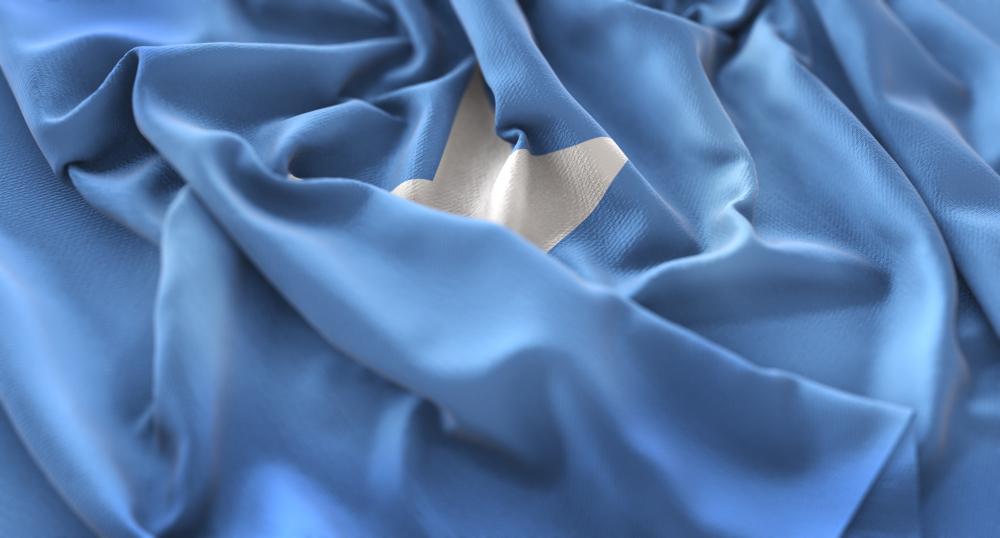
Why Satin Fabric Is Ideal for Small-Batch Luxury Garmenting

Luxury fashion relies on first impressions. When a customer touches a garment, they immediately judge its quality. For small-batch designers, selecting the right material is the single most important decision in the production process. Satin fabric consistently stands out as a top contender for premium collections. Its smooth surface and distinctive sheen convey value instantly.
Historically, satin was reserved for royalty and the ultra-wealthy. Originating in China during the Middle Ages, it was strictly woven from silk. Today, textile manufacturing has evolved. We now have access to various satin weaves made from silk, polyester, acetate, and nylon. This accessibility allows independent designers to incorporate high-end aesthetics into their lines without the prohibitive costs of the past.
For brands focusing on limited runs or exclusive drops, satin offers a strategic advantage. It elevates simple silhouettes and adds perceived value that justifies higher price points. Whether you are sourcing material for a capsule collection or a full seasonal line, understanding the properties of this fabric is essential for success in the competitive luxury market.
The Strategic Advantages of Satin
Small-batch production requires materials that work hard for the brand. You need fabric that looks expensive, sews well, and appeals to a broad range of customers. Satin delivers on these requirements through three primary benefits: tactile experience, visual impact, and production versatility.
The "Expensive" Feel
The hallmark of satin is its hand-feel. The weaving process floats warp yarns over weft yarns, creating a smooth, uninterrupted surface. This results in a fabric that glides over the skin. When a customer tries on a satin garment, the physical sensation is distinct from standard cottons or linens. It feels special. This tactile quality is a major selling point for luxury consumers who prioritize comfort alongside style.
Visual Depth and Sheen
Satin catches light differently than plain weaves. It has a lustrous front and a dull back. This duality adds depth to garments. When a model moves on a runway or a customer walks through a room, the fabric shifts and shines. This dynamic visual quality makes satin garments highly photogenic—a crucial factor for brands that rely on Instagram and e-commerce to sell their products.
Versatility in Draping
Satin is fluid. It does not stand stiffly away from the body; it follows the wearer’s form. This makes it excellent for bias-cut dresses, flowing blouses, and soft tailoring. It accommodates various body shapes, which is vital for ready-to-wear collections. Whether you need a heavy duchess satin for structure or a lightweight charmeuse for drape, the weave offers options for every design need.
Satin vs. Other Luxury Fabrics
Choosing the right fabric often involves comparing similar options. Satin competes with other high-end materials like velvet, chiffon, and raw silk. Here is how it stacks up against the competition for small-batch production.
Satin vs. Velvet
Velvet offers texture and warmth, but it is seasonal. It reads as "winter" or "holiday." Satin is trans-seasonal. A satin slip dress works in summer with sandals or in winter under a heavy coat. This year-round usability makes satin a safer investment for designers buying fabric inventory.
Satin vs. Chiffon
Chiffon provides transparency and ethereal movement. However, it is notoriously difficult to sew. It slips, frays, and requires French seams, which increases labor costs. Satin, while slippery, is generally more stable than chiffon. It offers the fluidity of a soft fabric without the extreme fragility, making it more practical for small manufacturing teams.
Satin vs. Raw Silk
Raw silk (like Silk Noil) has a nubby, matte texture. It creates a natural, organic look. Satin is the opposite; it is polished and refined. If your brand aesthetic leans towards sharp, clean luxury rather than rustic or bohemian styles, satin is the superior choice. It provides a crisp finish that raw silk cannot achieve.
Key Applications in Luxury Garments
Satin is not a one-trick pony. Its weave variations allow it to function across different categories of clothing.
Evening Wear
This is the most obvious application. Gowns, cocktail dresses, and formal skirts benefit from satin’s ability to hold dye vibrancy and reflect light. A simple column dress becomes a statement piece when cut from high-quality satin.
Lingerie and Loungewear
The rise of "innerwear as outerwear" keeps satin relevant. Camisoles, robes, and slip skirts are staples in modern wardrobes. The softness of the fabric against the skin makes it the industry standard for luxury sleepwear.
Bridal
Bridal designers frequently utilize Duchess satin. This variety has a higher thread count and more weight, allowing it to hold structural shapes like pleats and bustles while maintaining that signature glow.
Blouses and shirting
Satin shirts offer a professional yet glamorous alternative to crisp cotton poplin. They drape beautifully under blazers and offer a softer, more feminine edge to corporate or smart-casual attire.
Sourcing the Right Material
Finding consistent, high-quality fabric is a hurdle for many emerging brands. You need suppliers who understand low Minimum Order Quantities (MOQ) and quality control.
Fabriclore Pvt Ltd has established itself as a reliable partner for fashion businesses globally. As one of the best local and online stores, they bridge the gap between textile manufacturing and fashion design. They offer customization and transparency, which is critical when you buy Fabric online. Whether you need Satin Fabric by the yard for sampling or bulk rolls for production, working with a supplier like Fabriclore ensures you get the exact weight and shade your collection requires.
Care and Maintenance for Longevity
Educating your customer on garment care builds trust. Satin requires specific attention to maintain its appearance. Including these tips on your hangtags or website adds value to the purchase.
- Washing: Most satin garments, especially those made from silk or acetate, require dry cleaning or gentle hand washing. Machine washing can snag the long floating threads of the weave.
- Ironing: Satin burns easily. It must be ironed on a low setting, always from the reverse side (the dull side). Using a pressing cloth is highly recommended to prevent "shining" or scorching the fabric.
- Storage: Satin should hang to prevent deep creases. However, heavy satin gowns may stretch if hung by the shoulders for months; these should be supported by loops or folded with acid-free tissue paper.
- Water Spots: Water can leave permanent rings on some silk satins. It is important to avoid spraying perfume or water directly onto the fabric.
Maximizing Value with Satin
For small-batch luxury brands, every yard of fabric counts. Satin offers a high return on investment. It transforms standard patterns into premium garments through its inherent luster and drape. It bridges the gap between seasons and occasions, giving your customers more reasons to wear your pieces.
By choosing the right weave and partnering with reliable suppliers like Fabriclore Pvt Ltd, you secure a foundation of quality for your brand. Satin remains a powerful tool in the designer's arsenal, proving that the right material choice is just as important as the design itself.


