








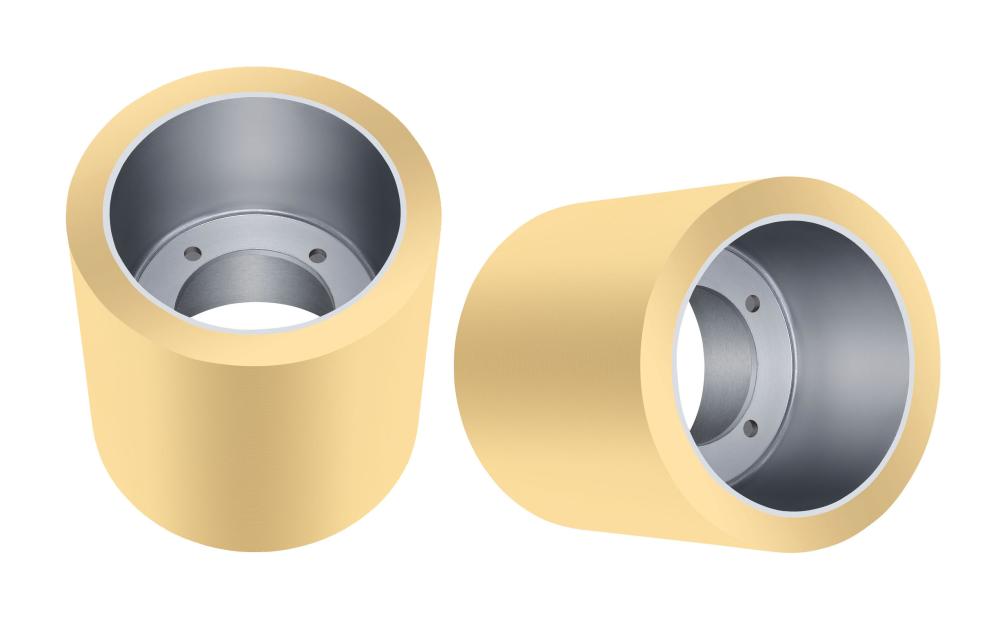
Rice Rubber Roll: Importance, Working, Benefits & Complete Guide for Rice Mills

In the rice milling industry, achieving high-quality output depends on multiple factors—machinery, raw material quality, and processing technique. Among all components used in rice mills, the Rice Rubber Roll stands out as one of the most crucial elements. It plays a major role in de-husking paddy with maximum efficiency and minimum grain breakage. Whether you are running a small rice mill or a large industrial unit, the quality of your rice rubber roll directly influences your overall production.
This comprehensive blog explains everything you need to know about rice rubber rolls, their function, features, types, benefits, and selection guide.
What is a Rice Rubber Roll?
A Rice Rubber Roll is a specially designed cylindrical roller made of rubber compounds used in paddy husking machines. The roll works in pairs to remove the husk (outer covering) from the rice grain without damaging the kernel. These rollers provide friction, pressure, and grip to separate the husk effectively.
Why Are Rice Rubber Rolls Important?
-
They determine husking efficiency
-
Reduce broken rice
-
Improve output quality
-
Increase milling speed
-
Reduce energy consumption
This makes the rice rubber roll an irreplaceable part of modern rice milling.
How Does a Rice Rubber Roll Work?
The functioning of a rice rubber roll is based on the principle of differential speed and controlled pressure. Here’s how it works:
1. Paddy Feeding
The raw paddy is fed into the husker where the rollers are installed.
2. Roller Rotation
Two rubber rolls rotate toward each other.
-
One roll rotates faster
-
The other rotates slightly slower
This difference in speed creates friction.
3. De-Husking
The pressure between the rollers cracks and removes the husk from the paddy without damaging the rice grain.
4. Separation
Once husked, the mixture of brown rice and husk moves to an aspirator where husk and rice are separated.
This simple but effective mechanism works seamlessly when the rice rubber roll is of high quality and correctly installed.
Types of Rice Rubber Rolls
Rice mills use different types of rollers based on their machinery, production needs, and paddy type.
1. NBR Rice Rubber Roll
Made of Nitrile Butadiene Rubber.
Features:
-
Long life
-
High heat resistance
-
Consistent performance
2. PU (Polyurethane) Rice Rubber Roll
Known for exceptional durability and wear resistance.
3. High-Speed Rubber Roll
Designed for modern, high-capacity huskers that run at high RPM.
4. Whitener & Polisher Rollers
Used at later stages in the milling process for whitening and polishing rice.
5. Customized Rubber Rolls
Manufacturers offer custom hardness, sizes, and compounds as per mill requirements.
Benefits of Using High-Quality Rice Rubber Roll
Choosing the right roll makes a huge difference in performance. Some key benefits include:
1. Higher Husking Efficiency
Quality rolls achieve up to 90–95% efficiency in a single pass.
2. Reduced Broken Rice
Soft yet durable rubber protects the grain from breakage.
3. Longer Life
Good rubber compounds and heat-resistant materials increase roller lifespan.
4. Better Consistency
Uniform rubber coating ensures stable performance throughout usage.
5. Low Maintenance
High-quality rolls reduce machine wear and frequent replacements.
6. Energy Efficient
Smooth operation and reasonable pressure reduce electricity usage.
What Makes a Good Rice Rubber Roll?
Not all rollers are created equal. High-performing rice rubber rolls share certain characteristics:
-
Perfect hardness (Shore hardness)
-
High tensile strength
-
Heat resistance
-
Smooth surface finish
-
Strong bonding between drum and rubber
-
Uniform rubber density
-
Anti-ageing chemicals
-
Compatible with all husker machines
These features ensure a roller works efficiently even under heavy loads.
How Rice Rubber Rolls Are Manufactured
The process varies slightly between manufacturers, but key steps include:
1. Selection of Raw Materials
High-grade rubber, fillers, bonding agents, and strengthening chemicals are carefully selected.
2. Mixing & Compounding
All materials are mixed in precise proportions to create a uniform rubber compound.
3. Moulding
The rubber mixture is poured into moulds and shaped into the desired size.
4. Vulcanization
High pressure and temperature are applied to strengthen the rubber.
5. Grinding & Finishing
Rollers undergo precision grinding to achieve the perfect surface finish and shape.
6. Quality Control
Rollers are tested for:
-
Hardness
-
Dimensional accuracy
-
Wear resistance
-
Heat tolerance
Only after thorough QC checks are they approved for dispatch.
Reasons Why Rice Rubber Rolls Wear Out
Even the best-quality rollers eventually wear out due to:
-
Continuous friction
-
Overheating
-
High-pressure operation
-
Poor-quality paddy
-
Improper installation
-
Running at incorrect speed ratios
Regular maintenance helps extend their life.
How to Increase the Life of Your Rice Rubber Roll
Practical steps mills can take:
1. Use Properly Dried Paddy
Moisture should be around 13–15% for best results.
2. Maintain Correct Roll Pressure
Avoid excessive pressure—it increases wear and causes grain breakage.
3. Clean the Machine Regularly
Dust and husk buildup can damage the roller surface.
4. Replace Rollers in Pairs
Using mismatched rollers reduces efficiency.


