








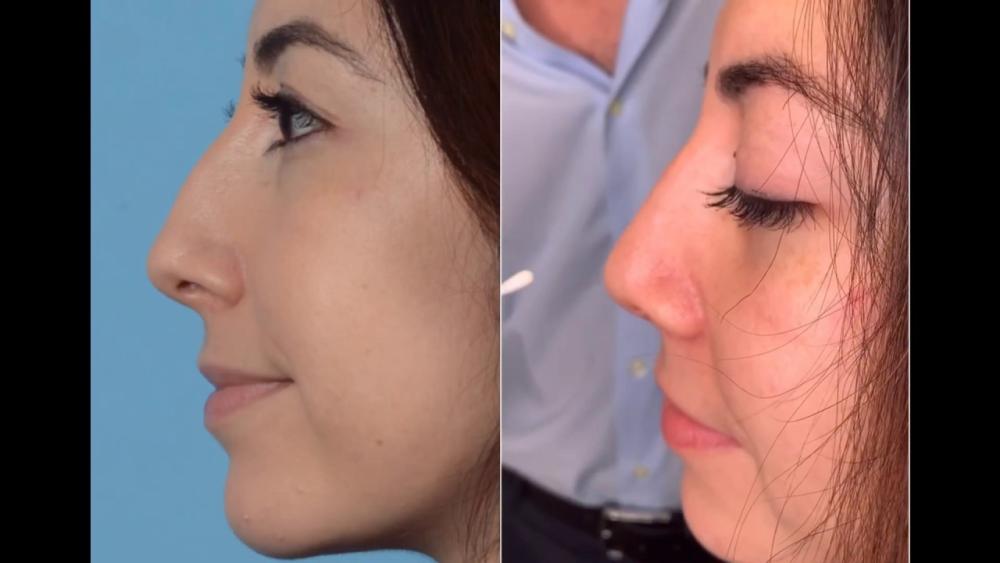
Closed Vs Open Rhinoplasty Technique Explained

Surgical Access: Closed vs. Open Rhinoplasty Technique Explained
rhinoplasty in riyadh(تجميل الأنف في الرياض) is performed using one of two primary surgical approaches: the open technique or the closed technique. The distinction between these methods lies in the placement of the incisions, which in turn dictates the surgeon's visibility, the complexity of the changes that can be made, the duration of recovery, and the presence of external scarring. Neither technique is universally "better"; the optimal choice is determined by the patient’s specific anatomy, the extent of the required structural correction, and the surgeon's specialized expertise.
I. The Open Rhinoplasty Technique: Maximum Visibility
The open approach, also known as external rhinoplasty, provides the surgeon with direct, unparalleled visualization of the entire nasal framework (bone and cartilage). This makes it the preferred method for the most complex procedures.
A. Incision Placement and Access
-
The Columellar Incision: The defining feature of open rhinoplasty is a small, V-shaped or inverted V-shaped incision made across the columella, the narrow strip of tissue that separates the two nostrils. This external cut connects with incisions placed inside the nostrils.
-
Full Exposure: This external access allows the surgeon to gently lift the skin and soft tissue envelope of the nose, much like lifting the hood of a car. This fully exposes the underlying cartilaginous and bony structures, enabling highly precise modification.
B. Advantages of the Open Approach
The enhanced visibility offered by the open technique provides several significant benefits, especially for complex cases common in the KSA region, such as revision or ethnic rhinoplasty.
-
Precision and Control: Direct sightlines allow the surgeon to identify minute asymmetries, place cartilage grafts (taken from the septum, ear, or rib) with extreme accuracy, and meticulously suture them into place for long-term structural stability.
-
Complexity Management: It is essential for major structural changes, significant tip refinement (especially in cases of thick skin or bulbous tips), correcting a severely deviated septum, addressing nasal valve collapse, or performing revision surgery where scar tissue must be navigated.
-
Teaching and Documentation: The clear view is often favored in teaching hospitals and by surgeons who rely on detailed documentation of the structural changes made.
C. Drawbacks and Recovery
While offering superior control, the open approach has certain drawbacks related to healing and external appearance.
-
Visible Scarring: The incision on the columella results in a small, external scar. With meticulous suturing and proper healing, this scar is typically inconspicuous and fades remarkably well, often becoming nearly invisible over time, especially when the head is tilted back.
-
Increased Swelling and Downtime: The necessity of lifting the entire skin envelope causes greater disruption to the nasal blood and lymph vessels. This leads to increased initial swelling and bruising, particularly in the nasal tip, and can result in a slightly longer initial recovery period compared to the closed method.
II. The Closed Rhinoplasty Technique: Hidden Incisions
The closed, or endonasal, approach is the traditional method where the entire procedure is conducted through incisions hidden completely inside the nostrils.
A. Incision Placement and Access
-
Internal-Only Incisions: All incisions are made inside the nasal lining (mucosa). Since no cuts are made across the columella, there are no visible external scars whatsoever, making it a highly attractive option for scar-conscious patients.
-
Limited Visualization: The surgeon operates "from the inside out" and views the nasal structures through a restricted opening. The skin envelope is not lifted or detached; instead, the surgeon performs the work by feel and through small internal openings between the cartilage.
B. Advantages of the Closed Approach
The less invasive nature of the closed technique provides distinct benefits in recovery and scarring.
-
No Visible Scarring: This is the primary advantage, offering a completely concealed surgical outcome.
-
Faster Initial Recovery: Because there is less dissection and disruption to the skin and its blood supply, patients typically experience less initial swelling and bruising, leading to a potentially quicker return to social activities.
-
Shorter Operation Time: In straightforward cases, the procedure can often be completed more quickly than the open method.
C. Drawbacks and Limitations
The lack of full visibility limits the scope and complexity of the corrections that can be reliably performed with the closed technique.
-
Reduced Precision: The indirect nature of the work means that performing intricate tip-work, complex grafting for structural support, or fine-tuning subtle asymmetries is significantly more challenging and less predictable than with the open method.
-
Limited to Minor Adjustments: The closed approach is generally best suited for minor to moderate modifications, such as reducing a small dorsal hump, minimal narrowing of the nasal bones, or minor tip refinement that does not require extensive cartilage repositioning or grafting.
-
Not Ideal for Revisions: Because previous surgeries can distort the internal anatomy and leave scar tissue, the closed method is usually not recommended for complex revision rhinoplasty.
III. Deciding the Right Technique
The ultimate decision between the open and closed rhinoplasty techniques rests on a detailed assessment of the patient’s goals and anatomy by an experienced surgeon.
-
Complexity is Key: If the goal is significant reshaping, major tip projection or rotation, correction of severe asymmetry, or functional valve collapse, the open technique is usually necessary to guarantee the precision and long-term stability required.
-
Simplicity and Scar Avoidance: If the goals are minor to moderate adjustments (like a small bridge reduction) and the patient prioritizes avoiding all external scarring and minimizing initial downtime, the closed technique may be the appropriate choice.
A highly skilled rhinoplasty specialist in Riyadh should be proficient in both techniques and will recommend the method that offers the highest probability of achieving the desired aesthetic outcome safely and durably.


