








Organic Farming in UAE: Can Hydroponics Make Sustainable Food Production Possible?
The UAE is rapidly transforming its agricultural landscape as demand for fresh, healthy, and locally grown produce continues to rise. Consumers are increasingly conscious about what they eat, and retailers are pushing for clean, pesticide-free food. As a result, organic farming in UAE has become more than a trend—it’s an essential part of the country’s long-term food security vision.
However, traditional organic farming faces several barriers in the region. The UAE’s harsh climate, limited arable land, soil salinity, and high water consumption make organic soil-based farming extremely challenging. This is where hydroponics in UAE is emerging as a powerful solution, offering sustainable farming methods that align with the country’s environmental and economic goals.
Why Traditional Organic Farming Is Challenging in the UAE
Growing organically in the UAE’s desert environment requires significant resources. Traditional farming demands high-quality soil, constant irrigation, and protection from heat, pests, and soil-borne diseases. Many organic crops struggle to survive in open fields due to the extreme temperatures that can soar above 45°C.
Additionally, soil salinity can limit the types of crops that can be grown organically. Maintaining soil fertility without synthetic chemicals requires heavy investment, making large-scale organic production difficult and expensive.
These constraints have pushed growers to look for innovative alternatives—leading to the rise of hydroponic and climate-controlled systems across the Emirates.
Hydroponics: A Climate-Smart Alternative for Organic Production
Hydroponics is a soilless method of growing plants using nutrient-rich water. It eliminates many challenges that limit traditional organic farming and creates an environment where plants can thrive year-round. For regions like the UAE, hydroponics provides the perfect blend of sustainable farming solutions, water efficiency, and consistent yields.
Here’s how hydroponics supports organic-style production:
1. Water Efficiency Up to 90%
Hydroponics uses significantly less water compared to soil farming because the nutrient solution is recirculated instead of being absorbed into the ground. This makes it one of the most water-efficient farming systems in the UAE, where freshwater is scarce.
2. No Soil, No Soil-Borne Diseases
By removing soil from the equation, hydroponics eliminates pests and pathogens commonly found in desert soil. This reduces the need for chemical treatments, aligning with organic farming practices.
3. Controlled Environment for Cleaner, Safer Produce
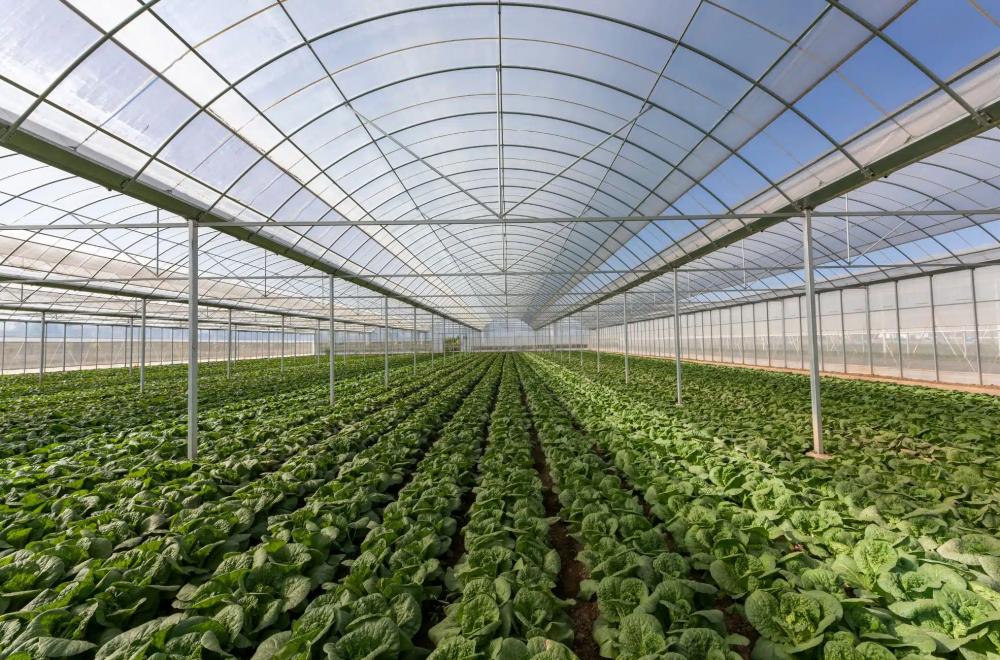
Hydroponic farms often operate inside climate-controlled greenhouses, where temperature, humidity, light, and nutrients are consistently managed. This creates a pesticide-free environment ideal for producing clean, high-quality food.
4. Faster Growth & Higher Yields
Plants grown hydroponically absorb nutrients more efficiently, leading to faster growth cycles and up to 20–30% higher yields. This helps support the UAE’s vision for increased local food production.
Can Hydroponic Produce Be Considered Organic?
Globally, the definition of “organic” varies. Some certification bodies allow hydroponics to be certified organic, while others do not. In the UAE, hydroponically grown crops can be certified organic if they meet strict guidelines related to:
- Use of organic-approved nutrients
- Avoidance of synthetic pesticides
- Use of non-GMO seeds
- Environmentally responsible farming practices
This means hydroponic farms can produce clean, pesticide-free food that meets the standards of organic farming in UAE, even without soil.
Sustainability Benefits for the UAE
Hydroponics offers multiple environmental advantages that make it one of the strongest sustainable farming solutions for desert climates:
Reduced Carbon Footprint
By producing food locally, the UAE can significantly reduce imports and transportation emissions.
Less Land, More Production
Hydroponic and vertical farming systems can grow more food in smaller areas compared to traditional organic farms.
Consistent, Year-Round Supply
Climate-controlled hydroponics ensures stable production regardless of weather conditions, supporting the country’s food security goals.
Pesticide-Free Production
Hydroponic farms rarely need chemical sprays, offering cleaner produce that aligns with consumer demand for safer food.
Conclusion
Hydroponics has proven to be a powerful ally for expanding organic farming in UAE, providing growers with the tools to produce sustainable, pesticide-free food despite the country’s challenging climate. By combining water efficiency, controlled environments, and high-yield systems, hydroponics allows the UAE to move closer to its vision of year-round, locally grown organic produce.
As technology continues to evolve, hydroponics—paired with vertical farming, smart automation, and climate control—will play a central role in shaping the future of sustainable agriculture in the UAE. It not only makes organic-style production possible but also practical, scalable, and environmentally responsible.


