








What is the Difference Between Perforated and Non-Perforated Cable Trays?

Proper cable management is a critical aspect of modern electrical infrastructure. Cable trays provide a safe, organized, and efficient way to route and support electrical wires in industrial, commercial, and residential installations. They reduce clutter, enhance safety, and make maintenance easier, while ensuring cables remain protected and well-ventilated.
At Super Cable Tray, we specialize in high-quality Perforated Cable Trays in Delhi and other reliable cable management solutions, helping businesses design durable and efficient wiring systems.
Cable trays come in various types, including perforated and non-perforated trays, each offering unique benefits depending on your installation requirements. Understanding these differences is essential for optimizing electrical infrastructure, improving fire safety, and maintaining long-term system performance.
Understanding Perforated Cable Trays
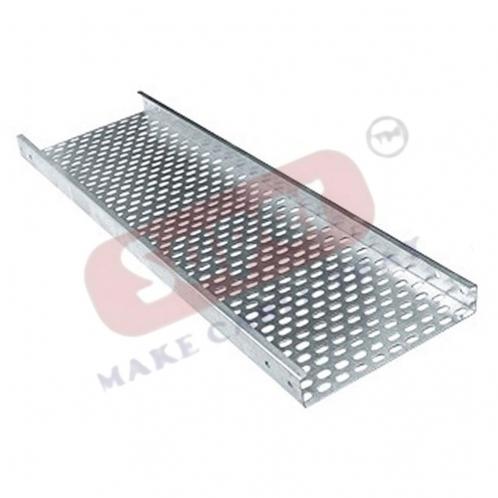
Perforated cable trays are metal trays with small, evenly spaced holes along the base and sometimes on the sides. These perforations provide ventilation and heat dissipation, which is crucial for preventing cable overheating.
Benefits of Perforated Cable Trays:
- Ventilation Design – Allows heat to escape, reducing fire risks.
- Durable and Lightweight – Available in GI, stainless steel, aluminum, and powder-coated options.
- Easy Maintenance – Open design makes adding, removing, or inspecting cables simple.
- Modular Installation – Flexible to accommodate complex wiring layouts.
Common types we provide include:
- GI Perforated Cable Tray in Delhi
- Stainless Steel Cable Tray
- Aluminum Cable Tray
- Powder-Coated Cable Tray
These trays are ideal for industrial wiring, commercial buildings, and data centers, providing an efficient metal cable management system.
Understanding Non-Perforated Cable Trays
Non-perforated cable trays, also known as solid-bottom trays, feature a continuous base without holes. This design is ideal for protecting sensitive cables from dust, moisture, or other environmental factors.
Benefits of Non-Perforated Cable Trays:
- Maximum Cable Protection – Shields cables from external debris and moisture.
- Supports Heavy Loads – Robust design for heavy industrial wiring.
- Ideal for Sensitive Wiring – Excellent for fiber optic or telecommunication cables.
While non-perforated trays protect cables effectively, they require additional ventilation solutions in high-load or high-temperature environments to prevent overheating.
Key Differences Between Perforated and Non-Perforated Cable Trays
|
Feature |
Perforated Cable Trays |
Non-Perforated Cable Trays |
|
Base |
Holes for ventilation |
Solid base |
|
Heat Dissipation |
Excellent |
Limited, may need extra ventilation |
|
Cable Protection |
Moderate |
High protection from dust/moisture |
|
Weight |
Lightweight |
Heavier |
|
Applications |
Industrial wiring, commercial buildings |
Sensitive or specialized cables, harsh environments |
|
Maintenance |
Easy access |
Less flexible, harder to inspect |
Selecting the right type depends on your cable type, installation environment, and long-term maintenance requirements.
Applications of Perforated and Non-Perforated Cable Trays
Perforated Cable Trays: Ideal for industrial plants, offices, and data centers where ventilation, accessibility, and modular installation are key.
Non-Perforated Cable Trays: Best for fiber optics, telecommunication, and environments where dust, moisture, or chemical exposure is a concern.
Integrating these trays with solutions like a cable ladder system, ventilation cable tray, or trunking system ensures complete wire organization and safety.
Perforated Cable Tray Specifications
Before selecting a perforated cable tray, consider:
- Sizes and Dimensions – Width, height, and length vary by load requirements.
- Material – Options include GI, stainless steel, aluminum, or powder-coated finishes.
- Weight – Lightweight but strong enough for heavy wiring.
- Fire Safety Compliance – Proper ventilation reduces overheating risks.
Secondary Cable Management Solutions: Raceway Cable Tray
In addition to perforated and non-perforated trays, we provide Raceway Cable Tray solutions for steel flooring and industrial installations. These trays help maintain organized routing and maintenance accessibility.
Popular options:
- Raceway Cable Tray in Delhi
- Steel Flooring Raceway in Delhi
- Raceway Cable Tray Manufacturers in Delhi
- Steel Flooring Raceway Manufacturers in Delhi
Linking to these products internally helps users explore more solutions and reinforces Super Cable Tray as a trusted provider.
Frequently Asked Questions (FAQs)
Q1: Can perforated and non-perforated trays be used together?
A: Yes, many installations combine both types to balance ventilation and cable protection.
Q2: Which is better for high-voltage wiring?
A: Perforated trays are preferred due to better heat dissipation and accessibility.
Q3: Are perforated trays suitable for outdoor use?
A: Yes, GI or powder-coated trays resist corrosion and are ideal for harsh environments.
Q4: How do I choose the right tray size?
A: Consider cable type, quantity, and installation environment. Super Cable Tray experts can recommend the perfect solution.
Q5: What advantages does a Raceway Cable Tray provide?
A: It offers organized routing over steel flooring or modular installations, complementing other cable management systems.
Conclusion
Both perforated and non-perforated cable trays are vital for organized, safe, and efficient electrical infrastructure. Perforated trays excel in ventilation, maintenance accessibility, and modular installations, while non-perforated trays provide maximum protection for sensitive wiring.
At Super Cable Tray, we offer both solutions, along with Raceway Cable Tray in Delhi and other premium options, ensuring complete and reliable cable management for any project. Invest in high-quality trays today for safe, efficient, and future-ready wiring systems.


