








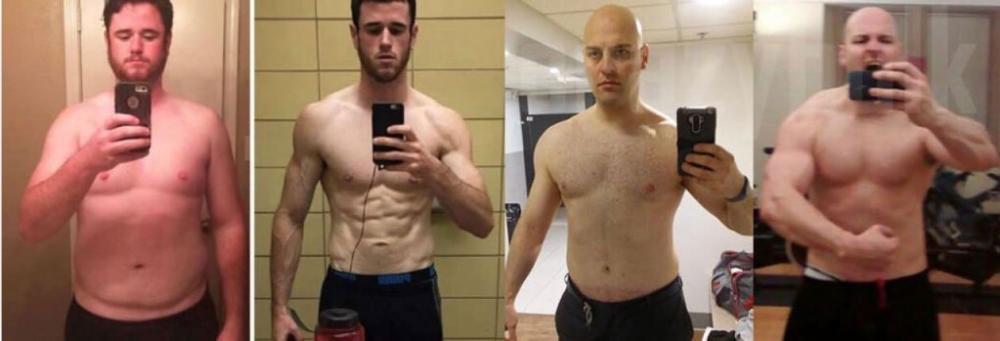
How Long HGH Takes to Work for Bodybuilding: A Realistic Timeline and What to Do After the Cycle

Anyone considering human growth hormone (HGH) for bodybuilding wants results—but understanding when those results appear and how to maintain them is just as important as using the hormone correctly. Unlike quick-fix solutions, HGH works in a slow, physiological way that supports better recovery, muscle development, and fat metabolism over time—if training, diet, and sleep are also in check.
Here’s a practical breakdown of how progress with HGH typically unfolds and what you should do once the cycle ends to hold onto your gains without pushing your body too far.
Week 1 to 2: Early Signs Without Major Changes
During the first couple of weeks, most people don’t see changes in the mirror—but they might feel them.
- Morning energy feels more stable.
- Recovery between workouts improves slightly.
- Training becomes more predictable in terms of how long fatigue lingers.
This is the body responding internally: fluid shifts, glycogen replenishment, and cellular repair all begin quietly. These aren’t dramatic changes, but they often help users stay consistent with training volume and quality.
Week 4 to 6: Mirror Feedback and Muscle Fullness
By weeks four to six, subtle external changes start to show.
- Muscles might look fuller due to improved glycogen storage and mild fluid changes.
- Work capacity during strength sessions improves.
- Morning soreness is less intense and recovery between tough sets improves.
Weight on the scale may stay the same or increase slightly, but it’s not always lean mass yet—it’s a combination of tissue hydration, nutrient handling, and metabolic activity picking up speed. If protein intake is consistent and training volume is structured, this phase is where momentum builds.
Week 8 to 12: Strength Gains and Body Composition Shifts
Between weeks eight and twelve, the line between effort and reward becomes clearer.
- Strength increases on repeat sets.
- Muscle tone and structure become more defined.
- Fat reduction (especially visceral and stubborn belly fat) begins to accelerate with proper training and macro balance.
Sleep quality often improves noticeably here—deeper sleep supports HGH action, creating a positive feedback loop. At this point, users often feel more “locked in” with their routines, and this discipline, paired with hormone activity, brings real physical results.
Week 16 and Beyond: Slowing Gains and the Importance of Supervision
Past week sixteen, progress slows—not because HGH stops working, but because the body adapts. Gains are no longer dramatic; they’re maintenance-based.
This is where many make the mistake of increasing the dose, thinking more hormone equals more growth. That’s a fast way to tip into side effects like:
- Water retention
- Tingling in the hands and feet
- Joint discomfort
- Elevated fasting glucose
Instead, this is the time to consult your provider and evaluate labs (IGF-1, A1C, thyroid, etc.). These tests help ensure you’re staying in a safe and effective range. Knowing the best time to take HGH injections bodybuilding also plays a key role—many providers recommend early morning or pre-bed injections to align with natural rhythms, but it depends on your protocol and metabolism best time to take hgh injections bodybuilding.
Post-Cycle: How to Keep Your Progress Without Regression
When a supervised HGH course ends, your goal isn’t just to look back at gains—it’s to lock them in.
Here’s what helps most:
- Regular protein intake – one full source per meal helps preserve muscle.
- Deload weeks – drop training volume every 6–8 weeks to let connective tissues reset.
- Consistent sleep – aim for 7–9 hours to stabilize hormones and recover.
- Smart supplementation – creatine, electrolytes, and intra-workout carbs can help performance without spiking hormone levels.
- Cardio balance – keep sessions short and frequent; avoid long late-night cardio that disrupts recovery.
Training quality and recovery discipline will decide whether your results last. A successful cycle doesn’t end with the last dose—it continues with choices you make daily.
Conclusion: It’s a Long Game, Not a Shortcut
HGH isn’t magic—it’s a tool. When prescribed and monitored by a medical professional, it can support serious body composition goals. But the hormone alone won’t do the lifting, control the diet, or manage sleep.
Expect to feel small changes in the first few weeks, see physical changes around weeks 6–12, and focus on preservation after week 16. If you're not seeing results, don’t assume you need more hormone—check your sleep, your calories, your protein, and your training load first.
Always consult a licensed practitioner before starting HGH for bodybuilding. That includes getting lab work, building a recovery strategy, and deciding when it’s time to stop.
Progress is possible—but only if you're ready to do the work the right way.


