








The Ultimate Guide to Waterproof Tarps: Protection, Durability, and Versatility

When it comes to protecting your belongings from rain, wind, and dust, waterproof tarps are indispensable. These versatile coverings have become a staple for homeowners, outdoor enthusiasts, and industries alike, offering an affordable yet highly effective solution for safeguarding items in a wide range of conditions. In this guide, we’ll explore what makes waterproof tarps essential, their types, applications, and tips for choosing the right one for your needs.
What Are Waterproof Tarps?
At their core, waterproof tarps are sheets made from materials designed to resist water penetration. Unlike regular tarps that may only offer minimal water resistance, waterproof tarps create a reliable barrier, keeping your items dry even in heavy rain or snow. They are commonly made from materials such as polyethylene, vinyl, canvas with water-resistant coatings, and reinforced fabrics, often featuring grommets for easy securing.
Key Features of Waterproof Tarps
-
Waterproof and Weather-Resistant: As the name suggests, these tarps prevent water from seeping through while also offering protection against UV rays, wind, and even snow accumulation.
-
Durable Construction: Many waterproof tarps are reinforced with woven fibers or double-layered fabrics, making them tear-resistant and suitable for long-term outdoor use.
-
Versatility: From camping trips to covering construction materials, waterproof tarps serve multiple purposes.
-
Easy to Use: Lightweight and flexible, they can be folded, rolled, or tied down as needed.
Types of Waterproof Tarps
1. Polyethylene Tarps: These are the most common type, lightweight, affordable, and highly water-resistant. They come in various thicknesses, typically measured in mils, to suit different durability requirements.
2. Vinyl Tarps: Known for heavy-duty performance, vinyl tarps are stronger than polyethylene and often UV-resistant, making them ideal for industrial and commercial applications.
3. Canvas Tarps: Canvas tarps with waterproof coatings are breathable yet water-resistant, reducing condensation underneath while protecting your items from rain.
4. Reinforced Tarps: These feature additional layers of mesh or fiber for extra strength, ideal for construction sites, hauling goods, or long-term outdoor coverage.
Practical Uses for Waterproof Tarps
Home and Garden: Waterproof tarps are excellent for covering outdoor furniture, firewood, or garden equipment during wet weather. They prevent rust, rot, and mildew, extending the lifespan of your possessions.
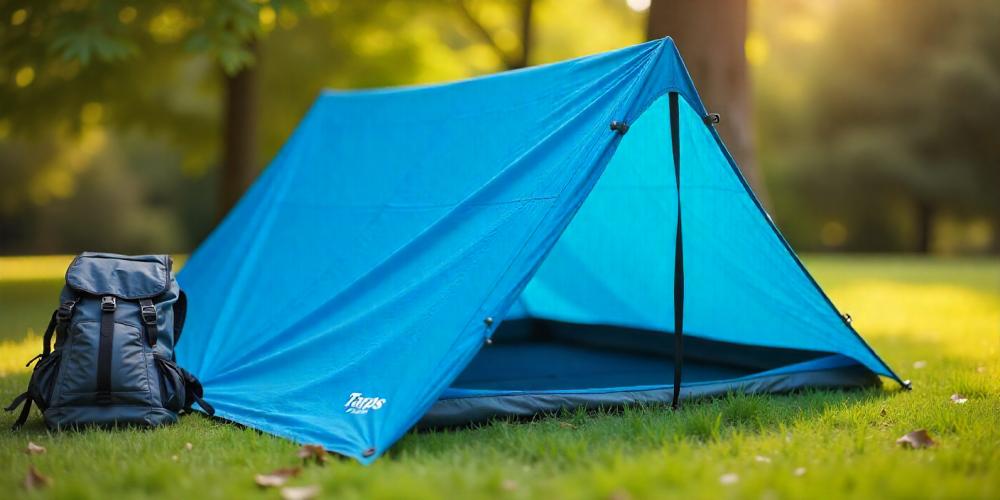
Camping and Outdoor Adventures: Campers and hikers often rely on waterproof tarps as ground covers, tent footprints, or emergency shelters. They provide a quick, lightweight solution to stay dry during sudden weather changes.
Construction and Industrial Use: On job sites, waterproof tarps protect building materials, machinery, and tools from water damage. Their durability and tear-resistance make them perfect for harsh conditions.
Transport and Hauling: Truck owners and logistics providers use waterproof tarps to secure loads, ensuring goods stay dry during transit. The grommeted edges make it easy to tie down tarps securely.
Emergency Situations: In cases of flooding or temporary shelter needs, waterproof tarps offer instant protection, making them a vital part of emergency preparedness kits.
Choosing the Right Waterproof Tarp
Selecting the perfect waterproof tarp depends on your specific requirements. Here are some factors to consider:
-
Size: Measure the area or items you need to cover to ensure the tarp is large enough. Oversized tarps can be folded or cut to fit, but having the right size makes installation easier.
-
Material: Choose polyethylene for general use, vinyl for heavy-duty requirements, and canvas for breathable applications.
-
Thickness and Weight: Thicker tarps (higher mil rating) are more durable but heavier, while thinner tarps are lightweight and portable.
-
UV Resistance: If the tarp will be exposed to sunlight for long periods, UV-resistant options prevent degradation and prolong the lifespan.
-
Grommets and Reinforcements: Grommets spaced around the edges allow secure tie-downs, while reinforced edges prevent tearing under tension.
Maintenance Tips for Longevity
Proper care ensures your waterproof tarp lasts for years:
-
Regular Cleaning: Wash off dirt, leaves, or debris using mild soap and water. Avoid harsh chemicals that may weaken the material.
-
Dry Thoroughly: Before folding or storing, ensure the tarp is completely dry to prevent mold and mildew.
-
Proper Storage: Keep tarps in a cool, dry place away from direct sunlight when not in use.
-
Inspect for Damage: Check periodically for small tears or holes and repair them promptly to maintain waterproof integrity.
Conclusion
Waterproof tarps are more than just simple covers—they are versatile tools that provide protection, convenience, and durability across countless applications. From protecting your backyard furniture and camping gear to safeguarding industrial equipment and transported goods, investing in a quality waterproof tarp ensures your possessions stay dry and secure, no matter the weather. When choosing your tarp, consider material, size, and strength to get the perfect balance between durability and portability. With proper care, a waterproof tarp can serve as a reliable companion for years to come.
Whether you’re a homeowner, outdoor enthusiast, or professional, the right waterproof tarp is a simple yet effective solution to shield your valuable items from the elements. Don’t wait for the next rainstorm to realize the importance of protection—equip yourself with a quality waterproof tarp today.


