








Layering Tricks To Stay Warm Without Bulky Outerwear

If you live in the UK for more than a week in winter, you will eventually hear someone muttering, usually into a steaming cup of tea, that it is absolutely freezing. The kind of cold that slides right through you before you have even zipped your coat. And yes, thick outerwear exists for a reason, but not everyone wants to trudge around looking like they wrestled with a duvet and lost. Fortunately, staying warm without turning into a walking marshmallow is possible. It just takes a bit of layering know-how.
Layering is one of those things people assume they understand until they actually try it. Then they realise there is a huge difference between looking thoughtfully warm and looking like they put on every item they own during a power cut. The sweet spot sits somewhere between comfort and intention. A little texture here, a smart colour choice there, and suddenly the whole outfit feels considered. One of the easiest building blocks is introducing pieces like real leather jackets, which naturally trap warmth while adding structure without the bulk. Leather sits close to the body, working like a quiet insulator, so you can add layers underneath without feeling suffocated.
Understanding the Foundations of Warm Layering
It helps to think of layering like building a house. The base matters. When the temperature dips, the real magic often comes from the layers you cannot see. A good thermal top, a long-sleeve tee, or a fine knit worn flat against the skin sets everything up. You want fabrics that breathe but also hold onto heat. Cotton works if the day is mild, but on those bone-cold days, consider merino wool or a heat-retaining synthetic blend. These sit lightly, almost unnoticed, yet they do so much of the heavy lifting.
Once the base is sorted, the next layer is where things start to feel more personal. A soft crew neck jumper, a turtleneck, even a cardigan can fit here. You are adding warmth, yes, but also adding shape. That middle section gives your outfit its depth. Think of it as the texture layer. Knits, ribbed fabrics, brushed cotton. They all bring their own personality.
Playing With Texture and Structure
Warmth does not have to come from thickness. Sometimes it comes from contrast. If your base layer is soft, pair it with something structured on top. If your middle layer is chunky, keep the outer layer smooth and fitted. This keeps you warm without making the outfit look heavy. It also adds visual interest that feels more intentional.
Leather is particularly good here because it blocks wind far better than most fabrics. Even a lightweight leather piece can out-perform a huge polyester coat on windy days. This is where layering becomes less about bulk and more about choosing the right materials.
The Magic of Layering Vests and Gilets
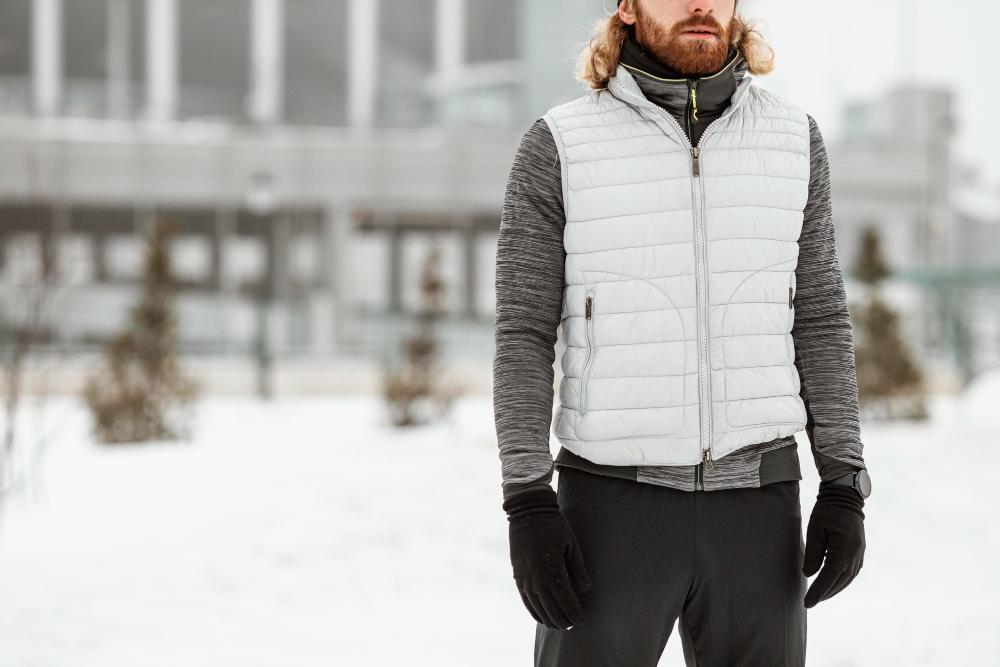
One of the most underrated pieces for cold weather is the gilet. People often overlook it, assuming it is only for countryside walks or for people who own a suspicious number of dogs. In reality, a gilet is perfect for creating warmth without restricting movement. A Mens leather Gilet in particular adds heat across your core, which is where your body loses warmth fastest. Because it sits close to the torso, you can wear it under a coat if needed, or over knitwear when the air is chilly but not unbearable.
A good gilet is that quiet hero piece. It barely looks like it is doing anything, yet you suddenly realise you are not cold. And you still have full use of your arms, which cannot always be said for massive winter coats that make lifting a coffee cup feel like a mini workout.
Shoulder Layers and Creative Warmth Boosters
You know that trick where people casually drape a jumper over their shoulders? It is more than just a styling move. It is a practical hack when the weather cannot make up its mind. If a cold gust hits you out of nowhere, you have an instant extra layer. If you are already warm enough, it becomes a nice little colour accent or texture detail. It works with nearly everything. A knit over a blazer. A cardigan over a hoodie. A sweatshirt layered over a dress. It all depends on what the day feels like.
Scarves play a similar role. Not the thin decorative ones, but the thick wool versions that feel like they retain memories of previous winters. Add one and your whole outfit shifts. You look warmer, you feel warmer, and your layers suddenly look intentional.
Using Lightweight Jackets as Middle Layers
Sometimes the trick to staying warm is wearing two thinner jackets instead of one giant one. A denim jacket under a wool coat. A lightweight puffer sitting beneath a trench. Even a leather biker under a heavier shell layer works surprisingly well. The key is balancing proportions so the outfit still looks sleek.
This is also where pieces like the classic bomber come into play. Bombers hold heat with very little fabric, so they work beautifully under larger coats or on their own with a thick knit. They also keep your outfit from drifting into overly formal territory, which is ideal if your day includes both commuting and casual errands.
Why Gilets Deserve More Attention
A leather gilet is especially powerful for layering because leather naturally blocks wind and traps body heat. You get warmth without sleeves, which helps maintain mobility. Slide one over a hoodie, a flannel shirt, or a ribbed jumper and suddenly the outfit feels stronger. It adds a slightly rugged, outdoorsy charm, yet it blends perfectly into an urban setting. Wear it open for a relaxed look or zip it up when the air bites.
A gilet also works under outerwear when temperatures really drop. You create a warm core without feeling like you are carrying around a heavy winter coat. This layering trick is something people often discover by accident, then depend on for every cold season afterward.
Balancing Warmth with Style
One of the biggest challenges in winter dressing is staying warm while still feeling like yourself. It is easy to give up and reach for the thickest coat possible, but you lose a bit of creativity when the coat becomes the entire outfit. Layering lets you maintain personality.
Start with thin, warm pieces. Add textures that feel good. Use structured layers that shield you from wind. Then amplify everything with accessories. Gloves, chunky scarves, soft hats. These add warmth without interrupting the style you built underneath.
Final Thoughts: Warm, Stylish, and Not Wrapped Like a Parcel
The beauty of layering is that you do not need a massive coat to survive the cold. You need smart materials, thoughtful combinations, and pieces that work together rather than fight for space. A warm base layer, a textured middle, a wind-blocking top, and maybe a gilet tucked in between. Suddenly winter feels far less hostile.
And the best part is that you can do all of this while still looking like you. Not swallowed by fabric, not weighed down, not bundled beyond recognition. Just warm, comfortable, and a little bit stylish in that quietly confident British way


