








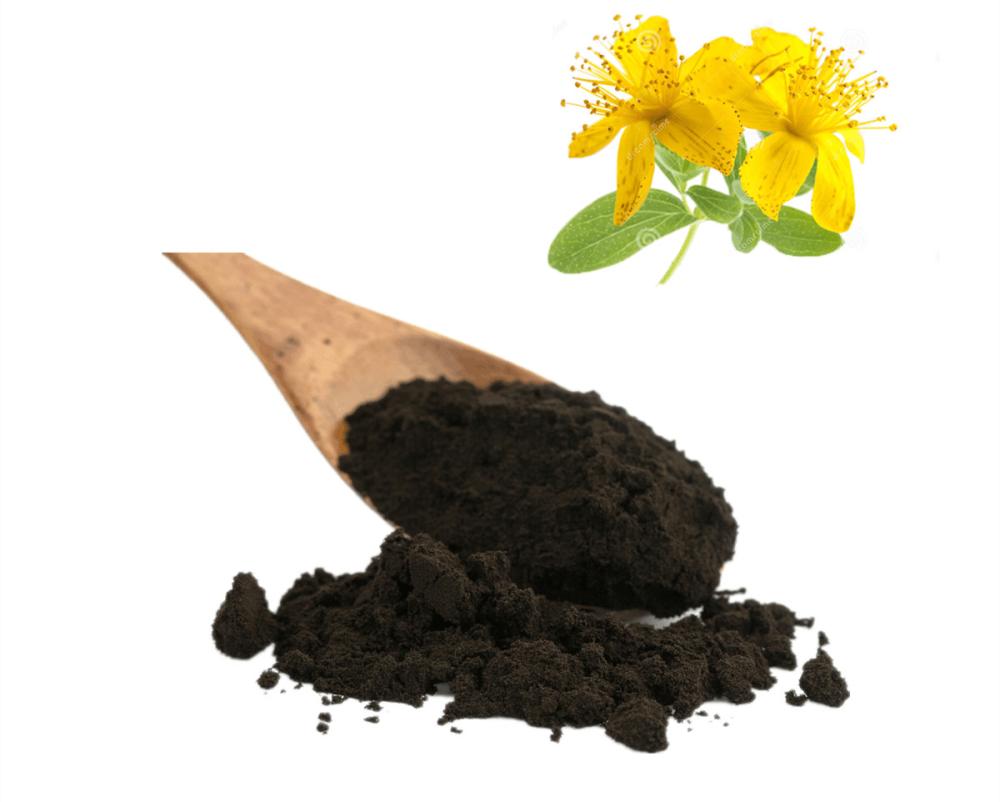
The Hypericum Perforatum Pipeline: Sourcing Extract from Chinese Wholesalers
In the world of botanical ingredients, few names carry the weight and recognition of Hypericum perforatum. More commonly known as St. John's Wort, this plant has been a cornerstone of herbal traditions for centuries, with its extract now a mainstream ingredient in the global supplement market. For manufacturers and brands, securing a reliable, high-quality supply of this extract is a key business decision, and very often, that search leads directly to China. The Chinese wholesale market for Hypericum perforatum extract is vast, sophisticated, and competitive, but navigating it requires a focused and practical approach.
Understanding the Ingredient: The Importance of Standardization
When sourcing Hypericum perforatum extract, you are not simply buying a powdered herb. The value and efficacy of the extract lie in its standardized active compounds. The two primary markers of quality are hypericin and hyperforin. These are the constituents that have been the focus of scientific research and are the basis for the extract's reputation in supporting emotional well-being.
A wholesale supplier should provide extracts with clear standardization. The most common is 0.3% hypericin, a long-standing industry benchmark. However, you will also find extracts standardized for higher levels of hyperforin, such as 3% or 5%, reflecting evolving research into its role. This is the first critical distinction: you are procuring a specific, measurable ingredient, not a generic plant powder. Your product formulation will depend on this specificity.
Why China is a Dominant Force in Supply
The prominence of Chinese suppliers in the Hypericum perforatum market is not accidental. It is the result of a confluence of factors that create a compelling, if complex, sourcing destination.
-
Agricultural Scale and Cultivation: China has extensive agricultural regions dedicated to the cultivation of medicinal herbs. This large-scale farming provides a consistent and substantial raw material base, ensuring that extraction facilities have a steady supply of the raw plant material, which helps stabilize prices and availability.
-
Industrial Extraction Capability: The country has invested heavily in the industrial infrastructure required for modern botanical extraction. Large facilities equipped with advanced equipment for solvent extraction, purification, and spray drying can process raw Hypericum perforatum into a standardized powder efficiently and on a massive scale. This industrial capacity is a primary driver of the competitive pricing that Chinese suppliers can offer.
-
Technical and Analytical Expertise: Leading manufacturers in China are not just processors; they are adept at quality control. They utilize sophisticated analytical techniques, primarily High-Performance Liquid Chromatography (HPLC), to verify and guarantee the levels of hypericin and hyperforin in every batch. This technical capability is essential for meeting the stringent specifications demanded by international buyers.
A Practical Path to Vetting Suppliers
The term "Chinese supplier" encompasses a wide spectrum, from massive, vertically integrated factories to small-scale traders. Finding the right partner is a process of diligent vetting.
-
Prioritize Manufacturers Over Traders: While trading companies can be convenient, establishing a direct relationship with a manufacturer offers greater transparency, more control over pricing, and a clearer line of communication regarding production and quality control processes.
-
The Certificate of Analysis (CoA) is Non-Negotiable: The CoA is the foundational document of your transaction. It is a batch-specific laboratory report that details the product's specifications. Before proceeding, you must obtain and scrutinize the CoA. Key items to verify include the confirmed percentages of hypericin and hyperforin, heavy metal content (lead, arsenic, cadmium, mercury), pesticide residues, and microbiological counts. A reputable supplier will provide this without hesitation.
-
The Critical Step of Sampling: Never commit to a large purchase based on documentation alone. Request a physical sample of the exact batch you are considering. This allows you to evaluate the extract's appearance, odor, and texture, and, most importantly, to send it to an independent third-party lab for analysis. This verification step is your primary safeguard against discrepancies between the promised and delivered product.
Navigating the Logistics of a Wholesale Order
Placing a successful wholesale order involves understanding the commercial and logistical mechanics.
-
Initial Inquiry: Be specific in your initial contact. State clearly that you are interested in "Hypericum Perforatum Extract, standardized to 0.3% Hypericin" (or your desired specification). Inquire about the Minimum Order Quantity (MOQ), which can range from 1kg for a sample to 25kg or more for a production run. Pricing is almost always per kilogram and decreases with volume.
-
Shipping and Import Regulations: Clarify the shipping terms from the outset. Incoterms like FOB (Free on Board) are common, meaning the supplier is responsible for getting the goods to a Chinese port, and you are responsible for the main shipping freight, insurance, and import clearance. Ensure your supplier has experience preparing the necessary export documentation, including a Certificate of Origin and a Phytosanitary Certificate, which are vital for clearing customs in your country.
-
Building a Partnership: View this process as the beginning of a supply chain relationship. A reliable supplier who consistently delivers a verifiable, high-quality product is a valuable asset. Clear communication, realistic expectations, and mutual respect can lead to a stable, long-term partnership that provides supply chain security.
Sourcing Hypericum perforatum extract from Chinese wholesalers is a standard practice for a reason. The combination of scale, technical capability, and cost-effectiveness is powerful. The journey to a successful supply line, however, is built on a foundation of meticulous verification. By focusing on direct manufacturer relationships, insisting on comprehensive laboratory documentation, and validating quality through independent testing, businesses can confidently and reliably integrate this well-respected botanical into their product portfolios.


