








How often should Dermoscopy Mole Evaluation be done safely?

If you’re concerned about skin health and early detection of skin abnormalities, Dermoscopy Mole Evaluation in Dubai is becoming an essential preventive measure. Moles are a common occurrence on human skin, but subtle changes in their size, color, or shape can signal potential risks, including skin cancer. Regular mole evaluations help detect these changes early, allowing for timely intervention and peace of mind.
Understanding Dermoscopy and Its Importance
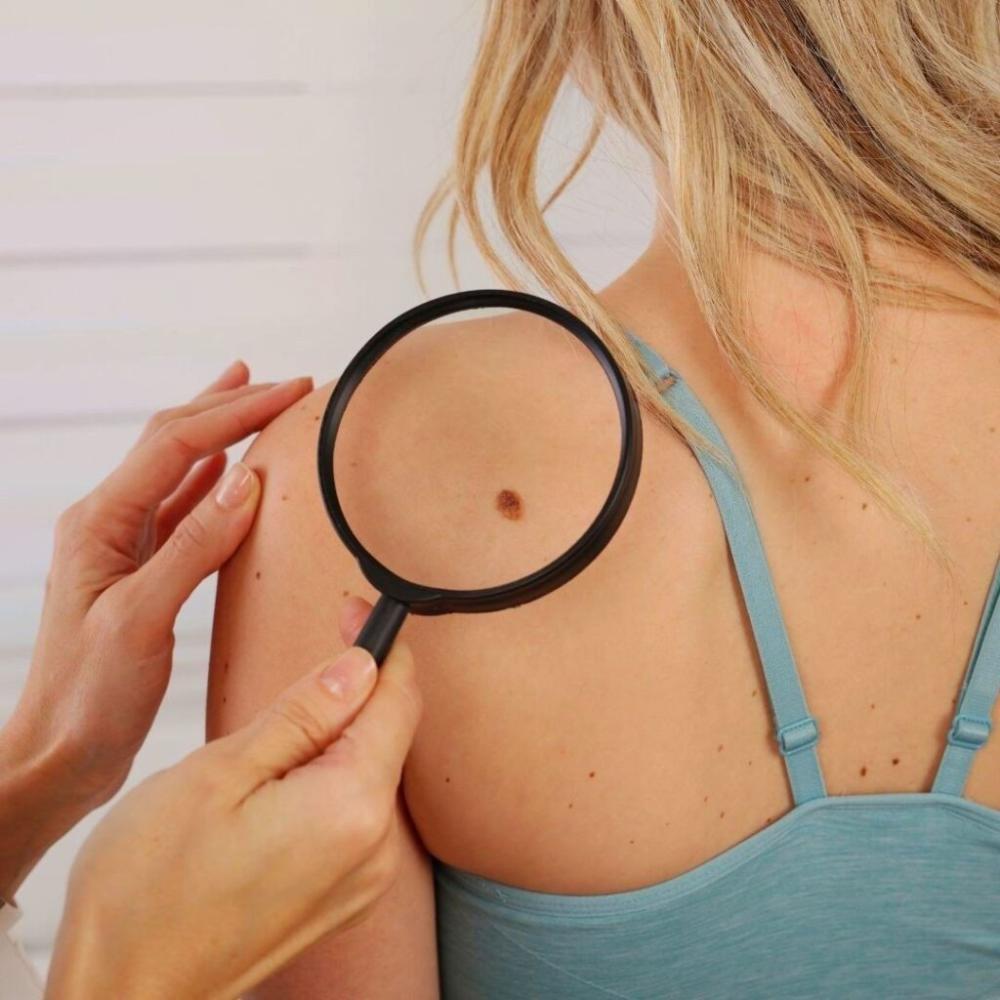
Dermoscopy is a non-invasive technique that uses a specialized magnifying device to examine moles and skin lesions with remarkable precision. Unlike the naked eye, dermoscopy allows clinicians to see structures beneath the skin surface, identifying patterns that may indicate malignancy. The process is painless, quick, and highly effective in differentiating benign moles from potentially harmful ones.
Early detection is key in preventing serious skin conditions. Studies have shown that individuals who undergo regular mole evaluations are more likely to detect melanoma at its earliest and most treatable stages. This makes dermoscopy not just a cosmetic assessment but a crucial part of proactive skin care.
Factors Influencing How Often You Should Get Evaluated
The frequency of dermoscopy mole evaluation depends on several personal and environmental factors. While there is no one-size-fits-all approach, understanding your risk profile can help determine a safe and effective schedule.
Skin Type and Sun Exposure
Fair-skinned individuals or those prone to sunburn have a higher risk of developing abnormal moles. Excessive sun exposure, particularly without protective measures, increases the likelihood of changes in existing moles and the appearance of new ones. People with high sun exposure should consider more frequent evaluations, potentially every six months.
Personal and Family History
A personal history of atypical moles or a family history of skin cancer significantly increases the need for regular check-ups. Genetic predisposition can make certain individuals more susceptible to melanoma, making annual or even biannual dermoscopy sessions a smart precaution.
Number of Moles
Individuals with numerous moles should also monitor their skin more closely. The more moles present, the greater the chance that one may exhibit suspicious changes. Regular evaluations provide a comprehensive record, allowing healthcare providers to track even subtle changes over time.
Signs You Should Seek Immediate Evaluation
Even if your routine evaluation schedule is in place, certain changes should prompt immediate assessment. Look for moles that:
-
Grow rapidly in size
-
Change color or develop multiple shades
-
Have irregular or jagged borders
-
Become itchy, painful, or bleed
Noticing any of these warning signs should trigger an urgent dermoscopic examination to rule out serious conditions.
Recommended Frequency of Dermoscopy
For most individuals, a dermoscopy mole evaluation once a year is sufficient, especially if they have an average risk profile. However, higher-risk individuals may benefit from more frequent checks every 6–12 months. It is important to establish a baseline by documenting the size, color, and pattern of moles during the first evaluation. Subsequent visits can then focus on changes from this baseline, enhancing early detection capabilities.
How to Maintain Skin Health Between Evaluations
Regular self-monitoring is essential between professional evaluations. Use the ABCDE rule to check your moles: Asymmetry, Border irregularity, Color variation, Diameter larger than 6mm, and Evolution over time. Additionally, protecting your skin from UV rays, avoiding tanning beds, and using broad-spectrum sunscreen can significantly reduce risks associated with mole changes.
Choosing the Right Evaluation Approach in Dubai
When considering Dermoscopy Mole Evaluation Dubai, it’s important to prioritize regularity and accuracy over convenience. Establishing a consistent evaluation routine tailored to your personal risk factors ensures that potential issues are caught early. Combining professional dermoscopy with diligent self-monitoring creates the most effective approach to maintaining healthy skin.
Conclusion
Regular dermoscopy mole evaluations are a crucial component of proactive skin care. By understanding personal risk factors, monitoring for changes, and scheduling evaluations at appropriate intervals, individuals can reduce the risk of late detection and improve overall skin health. Whether you are at average or high risk, adopting a structured approach to mole evaluation is a simple yet powerful step toward long-term wellness. Dermoscopy Mole Evaluation in Dubai offers a safe, precise, and efficient way to stay ahead of potential skin issues and enjoy peace of mind about your skin’s health.


