








Revenue Based Business Funding: A Flexible Way to Support Business Growth

Running a business requires consistent access to working capital. Whether an entrepreneur wants to expand operations, manage seasonal expenses, purchase inventory, or improve cash flow, having the right financing can make a significant difference. However, traditional borrowing arrangements do not always suit businesses with fluctuating monthly income. This is where revenue based business funding can offer a more adaptable approach.
Instead of relying entirely on fixed repayment amounts, this financing structure connects repayments to a business's revenue performance. It allows eligible businesses to access capital while considering their actual earnings. Understanding how this approach works, along with the benefits of equipment financing, can help business owners make informed financial decisions.
What Is Revenue Based Business Funding?
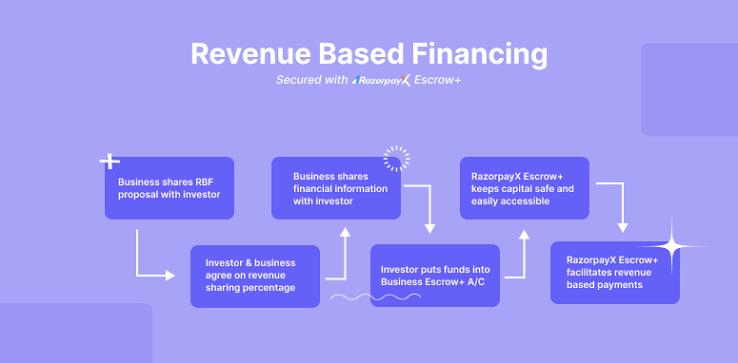
Revenue based business funding is a financing arrangement in which repayment amounts are linked to a company's incoming revenue. Rather than following a completely fixed repayment schedule, the business repays an agreed portion of its sales or revenue over time.
This approach can be particularly useful for companies experiencing seasonal demand or inconsistent monthly sales. When revenue increases, repayments may increase accordingly. During slower periods, the repayment amount may decrease, depending on the agreement.
How Does the Funding Process Work?
The process generally begins with an assessment of business performance. Lenders or financing providers may review sales records, bank statements, revenue trends, and other financial information.
Once eligibility and funding requirements are evaluated, an approved business receives capital. Repayments then follow the agreed revenue-based structure.
Business owners should carefully review the repayment percentage, total repayment obligation, fees, and agreement terms before accepting any financing arrangement.
Why Businesses Consider Revenue-Based Financing
Choosing revenue based business funding can provide several practical advantages for companies that need capital without putting unnecessary pressure on their daily operations.
1. Repayments Connected to Revenue
One important feature is the relationship between repayments and business performance. Companies with changing sales volumes may find this structure more adaptable than conventional fixed-payment arrangements.
2. Support for Working Capital
Businesses regularly face expenses such as payroll, inventory purchases, marketing, maintenance, and supplier payments. Additional capital can help cover these requirements and maintain operational stability.
3. Opportunities for Business Expansion
Access to funding may allow entrepreneurs to explore new markets, increase production, improve facilities, or introduce additional services. Having sufficient working capital can make it easier to act on promising opportunities.
4. Potentially Less Pressure During Slower Periods
When repayments are calculated according to revenue, businesses may experience lower repayment amounts during periods of reduced sales. However, the exact arrangement depends on the financing contract.
Understanding the Benefits of Equipment Financing
While revenue-linked funding focuses on business income, equipment financing addresses another important requirement: acquiring essential machinery, tools, and technology.
The benefits of equipment financing include preserving available working capital while obtaining the assets needed for daily operations.
For example, a construction company may require specialized machinery, while a manufacturing business might need updated production equipment. Financing can help spread the acquisition cost over an agreed period instead of requiring the entire amount upfront.
When Can Equipment Financing Be Useful?
Equipment financing may support businesses that need to:
- Replace outdated machinery.
- Purchase essential tools and technology.
- Improve production efficiency.
- Increase operational capacity.
- Upgrade workplace facilities.
These advantages make equipment financing worth considering when asset purchases are necessary for long-term business development.
Choosing the Right Financing Strategy
Before selecting a financing option, business owners should evaluate their financial position and immediate priorities.
Consider the following factors:
Revenue consistency: Review monthly sales patterns and determine whether revenue-based repayments suit your business.
Funding purpose: Identify whether capital is required for general expenses, expansion, inventory, or equipment purchases.
Total borrowing cost: Examine interest, fees, repayment obligations, and any additional charges.
Future cash flow: Ensure that financing commitments will not interfere with essential operating expenses.
Combining a suitable working capital strategy with an understanding of the benefits of equipment financing can help businesses plan more effectively.
Conclusion
Access to appropriate financing can help businesses overcome financial challenges and pursue meaningful growth opportunities. Revenue based business funding offers an alternative repayment structure that considers business revenue, making it worth exploring for companies with changing sales patterns. Meanwhile, understanding the benefits of equipment financing can help entrepreneurs acquire important assets without immediately using all their available capital.
Ultimately, the right financing decision should support financial stability, operational efficiency, and sustainable long-t


