








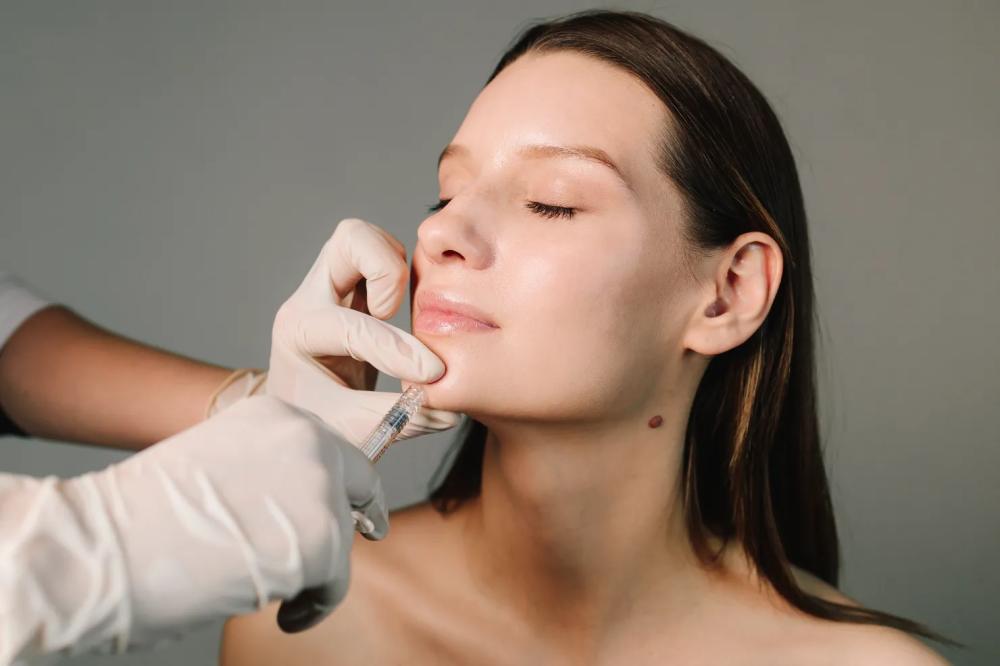
What Makes Masseter Botox Relevant to Modern Facial Aesthetics?

Modern facial aesthetics focuses on creating balanced, natural-looking features while respecting individual facial characteristics. People increasingly consider facial harmony an important part of their overall appearance, paying attention not only to the forehead, cheeks, and lips but also to the lower face. Within this growing interest, Masseter Botox Dubai has become a relevant topic for individuals exploring facial refinement and a more balanced jawline appearance. The masseter muscles play an important role in everyday jaw movements, but their prominence can also influence how wide or defined the lower face appears.
The Growing Importance of Facial Harmony
Modern beauty preferences increasingly emphasize proportion rather than focusing on a single facial feature. A person's overall appearance is influenced by how different facial areas complement one another.
The lower face contributes significantly to facial harmony. Its width, contour, and relationship with the cheekbones and chin can influence the appearance of the entire face. This makes the jawline an important consideration in contemporary aesthetic discussions.
Understanding the Role of Masseter Muscles
The masseter muscles are located on both sides of the jaw and are primarily responsible for helping the mouth close during chewing. They are among the strongest muscles involved in everyday facial movement. Important characteristics include:
-
Their location along the sides of the lower jaw.
-
Their contribution to chewing and jaw movement.
-
Their influence on the visible width of the lower face.
-
Their relationship with individual facial proportions.
Why Jawline Appearance Matters in Modern Beauty
The jawline helps establish the visual structure of the lower face. Its appearance can influence whether facial features seem soft, angular, narrow, or broad.
This variety makes personalized facial aesthetics increasingly relevant. Understanding the relationship between muscle prominence and facial structure allows individuals to explore their appearance without assuming that every face should follow the same beauty standard.
The Connection Between Facial Proportions and Balance
Facial proportions involve the relationship between different features rather than their individual characteristics alone. The cheekbones, temples, chin, and jawline all contribute to the overall facial outline. Important considerations include:
-
The relationship between upper and lower facial width.
-
Natural chin shape and jawline definition.
-
The appearance of the cheekbone area.
-
Individual facial symmetry and structure.
Changing Beauty Preferences and Softer Facial Contours
Beauty trends have gradually expanded beyond dramatic facial transformations. Many contemporary aesthetic discussions emphasize subtle refinement, individuality, and natural-looking facial characteristics.
Softer lower-face contours have become an area of interest for people who feel their jawline appears particularly broad or prominent. The growing conversation around masseter-focused aesthetics reflects a wider shift toward understanding how individual facial features contribute to overall appearance.
The Relationship Between Jaw Clenching and Facial Appearance
Everyday habits can influence how people perceive their facial features. Jaw clenching and teeth grinding are commonly discussed in relation to masseter muscle activity. Relevant considerations include:
-
Frequent jaw tension.
-
Habitual teeth grinding.
-
Awareness of facial muscle tightness.
-
Differences in natural muscle prominence.
Individual Facial Characteristics Deserve Attention
No two faces have exactly the same structure. Bone shape, muscle development, natural fat distribution, and skin characteristics all contribute to the appearance of the jawline.
For this reason, aesthetic preferences should reflect individual features instead of following popular facial trends without consideration. A naturally broad jaw is not necessarily a concern, just as a narrower jaw is not automatically more attractive.
Masseter Botox and Contemporary Aesthetic Discussions
Masseter Botox is frequently discussed within modern facial aesthetics because it focuses on a specific muscle group associated with lower-face appearance. Its relevance extends beyond beauty trends, as the masseter muscles also have an important functional role in chewing and jaw movement.
This connection makes informed awareness particularly important. Aesthetic considerations should always account for individual anatomy and the distinction between appearance-related preferences and functional jaw concerns.
Natural-Looking Facial Aesthetics and Personal Preferences
Natural-looking aesthetics have become an important consideration for people interested in facial refinement. Personal preferences may include:
-
Preserving natural facial expressions.
-
Appreciating balanced facial proportions.
-
Maintaining harmony between the jawline and chin.
-
Avoiding unrealistic beauty expectations.
-
Recognizing individual facial uniqueness.
The Importance of Understanding Facial Anatomy
Knowledge of facial anatomy helps people develop realistic expectations about their appearance. The masseter muscles are only one component of the lower face, and their prominence does not independently determine the complete shape of the jawline.
Bone structure, surrounding soft tissue, skin elasticity, and other facial muscles also contribute to the overall appearance. Understanding these factors encourages more informed conversations about facial aesthetics and helps distinguish muscle-related characteristics from other structural features.
Final Thoughts
Masseter Botox remains relevant to modern facial aesthetics because it brings attention to the relationship between jaw muscles, facial proportions, and lower-face appearance. As beauty preferences increasingly emphasize individuality and natural-looking features, understanding the masseter muscles has become an important part of broader aesthetic awareness. A balanced perspective recognizes that facial beauty does not depend on having a particular jawline shape. Every individual has distinct facial characteristics, and personal preferences should remain central to aesthetic decisions.


