








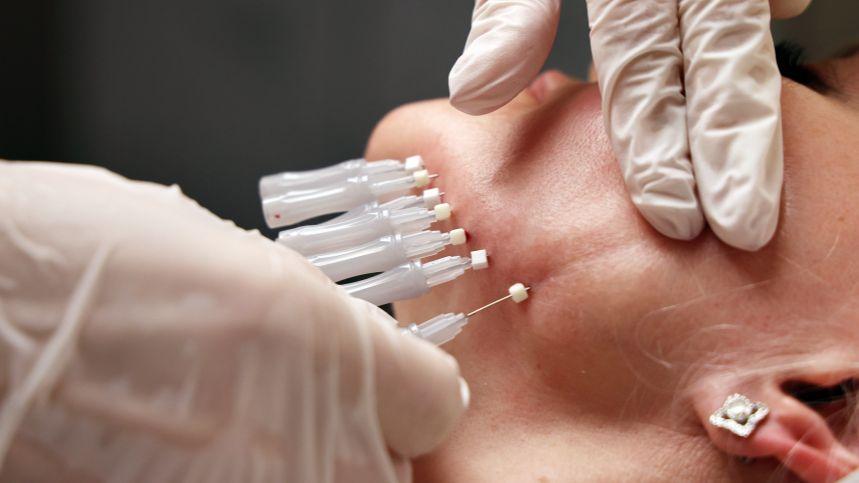
What Makes Thread Lift Worth Exploring for Facial Aging?

Facial aging is a natural part of life, but changes in skin firmness, facial contours, and overall appearance can influence how people feel about their looks. As the years pass, the face may develop mild sagging, deeper folds, and less defined features. Many individuals now explore aesthetic options that complement their natural facial characteristics without changing their identity. Thread Lift in Dubai has become a topic of interest among people looking for ways to address visible signs of aging while considering their personal appearance goals.
Understanding the Changes Associated With Facial Aging
Facial aging involves several visible changes that can gradually affect the appearance of the face. Common concerns include:
-
Reduced skin firmness around the cheeks.
-
More noticeable folds near the mouth.
-
Changes in jawline definition.
-
Mild sagging around the lower face.
-
Fine lines and visible facial creases.
Why Facial Firmness Becomes a Priority
Skin firmness plays an important role in maintaining a youthful facial appearance. When the skin begins to lose its natural elasticity, certain areas may appear less defined than before. This can make facial contours look softer and contribute to an older-looking appearance.
For individuals concerned about these changes, exploring suitable aesthetic options can become part of a broader approach to maintaining facial confidence.
Interest in Non-Surgical Facial Aesthetic Options
Many people prefer exploring aesthetic choices that do not involve traditional surgical approaches. Their interests may include facial rejuvenation, maintaining natural-looking features, and addressing mild visible signs of aging.
Non-surgical aesthetic options attract attention because they provide different approaches to common appearance-related concerns. Individual preferences, facial characteristics, and expectations remain important when considering whether a particular option is appropriate.
Maintaining Natural-Looking Facial Contours
Natural facial contours contribute significantly to overall appearance. The cheeks, jawline, and lower face work together to create facial balance. Important aspects of natural facial aesthetics include:
-
Preserving balanced facial proportions.
-
Maintaining the appearance of cheek definition.
-
Supporting a harmonious jawline appearance.
-
Avoiding an overly altered facial look.
-
Appreciating individual facial characteristics.
Addressing Mild Skin Laxity
Skin laxity refers to the gradual loss of firmness that can make certain facial areas appear loose or less supported. It is commonly associated with aging and may become noticeable around the cheeks, jawline, and lower face.
People exploring facial rejuvenation often pay attention to mild skin laxity because it can influence the overall appearance of facial contours. Understanding the degree of looseness and its location helps individuals identify their aesthetic priorities. Not every aging concern involves the same degree of skin changes, making individual assessment important.
Why the Jawline Matters in Facial Appearance
The jawline is an important feature of facial definition. A clearly defined lower facial contour can contribute to a balanced and refreshed appearance. People interested in facial aesthetics may focus on:
-
The appearance of the lower cheeks.
-
Definition along the jawline.
-
Changes around the chin.
-
Facial balance from different angles.
Exploring Concerns Around Nasolabial Folds
Nasolabial folds are the natural lines extending from the sides of the nose toward the corners of the mouth. These folds are present in most faces, but they can become more noticeable with age.
Their appearance may be influenced by facial structure, skin characteristics, and changes in facial fullness. Some individuals become concerned when these lines make their expressions appear tired or older. Understanding that facial folds are a normal feature can help establish realistic expectations when exploring aesthetic options.
The Importance of Individual Facial Characteristics
Every face has its own structure, proportions, and aging patterns. Two people of the same age may experience completely different changes in skin firmness and facial definition. Factors worth considering include:
-
Natural facial shape.
-
Existing skin elasticity.
-
Degree of visible skin laxity.
-
Facial symmetry and proportions.
-
Personal aesthetic preferences.
Connecting Facial Rejuvenation With Personal Confidence
Changes in facial appearance can influence how people perceive themselves. Some individuals feel comfortable embracing every sign of aging, while others prefer exploring aesthetic approaches that align with their personal preferences.
Facial rejuvenation is not necessarily about pursuing a younger appearance. It can also involve maintaining a refreshed look, feeling confident in photographs, and appreciating facial features. Personal comfort should remain central to any appearance-related decision.
Understanding Realistic Aesthetic Expectations
Having realistic expectations is an important part of exploring any facial aesthetic option. It is helpful to consider the following points:
-
Understand the specific facial concerns you want to address.
-
Recognize that natural aging is an ongoing process.
-
Avoid comparing personal features with edited images.
-
Consider individual suitability and professional guidance.
-
Prioritize facial balance over dramatic changes.
Final Thoughts
Exploring options for facial aging involves understanding personal concerns, appreciating natural facial characteristics, and identifying suitable approaches to maintaining facial appearance. Changes in skin firmness, jawline definition, cheek contours, and facial folds can influence how aging becomes noticeable. Thread lifts are among the aesthetic options people may consider when researching approaches to facial rejuvenation. However, individual suitability and expectations should always guide decisions.


