








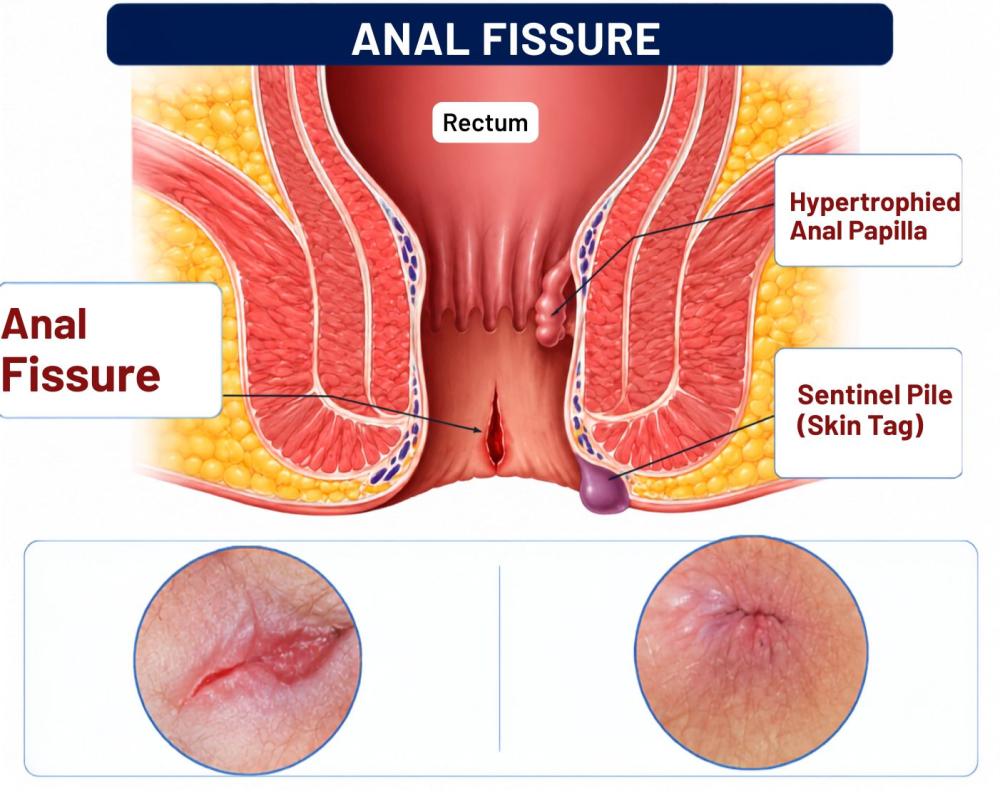
How Long Does an Anal Fissure Take to Heal?

Anal fissure is a common anorectal condition that can make everyday activities uncomfortable, especially during and after bowel movements. Even a small tear in the anal lining can cause sharp pain, burning sensations and bleeding while passing stool. One of the most common questions patients ask is, how long does an anal fissure take to heal? The answer depends on whether the fissure is acute or chronic, its severity, bowel habits and the treatment being followed. Consulting an anal fissure specialist in Delhi can help identify the condition early and determine the right treatment approach.
How Long Does an Anal Fissure Usually Take to Heal?
An acute anal fissure may heal within a few days to several weeks with appropriate care. However, healing time varies from person to person. Some patients improve with dietary changes, proper hydration and medicines, while others may need additional medical treatment.
A chronic fissure generally takes longer to heal because the tear has remained open for an extended period and may have developed scar tissue or other changes.
Here is a general overview:
| Type of Anal Fissure | Typical Healing Time |
|---|---|
| Acute Anal Fissure | A few days to 6 weeks |
| Chronic Anal Fissure | Several weeks or longer, depending on treatment |
| Recurrent Anal Fissure | Depends on the underlying cause and treatment response |
These are general estimates, not guaranteed recovery timelines. A proper examination is important to understand the condition and plan treatment.
What Factors Affect Anal Fissure Healing Time?
Not every anal fissure heals at the same speed. Several factors can affect the recovery process.
1. Severity of the Fissure
A small, recent tear may heal faster than a deep or longstanding fissure. When the surrounding tissue becomes irritated or scarred, recovery may take longer.
2. Constipation and Hard Stools
Passing hard stools can repeatedly stretch the anal lining and reopen the healing tear. This is one of the common reasons why an anal fissure does not heal properly.
3. Lack of Dietary Fibre
A diet low in fibre can contribute to constipation and difficult bowel movements. Including fruits, vegetables, whole grains and other fibre-rich foods can help maintain softer stools.
4. Delayed Treatment
Ignoring symptoms or relying only on temporary pain relief may delay proper diagnosis. Early medical advice can help prevent an acute fissure from becoming a persistent problem.
5. Irregular Bowel Habits
Straining during bowel movements, ignoring the urge to pass stool and spending too much time on the toilet can increase pressure around the anal area.
Acute vs Chronic Anal Fissure: Why Does the Difference Matter?
Understanding the type of fissure is important because both conditions may require different treatment approaches.
Acute Anal Fissure: This is a recent tear in the anal lining. It commonly causes pain during bowel movements and may produce a small amount of bright red bleeding. With appropriate care, many acute fissures heal within a few weeks.
Chronic Anal Fissure: When a fissure persists for around six weeks or longer, it may be considered chronic. It can be associated with a skin tag, thickened edges or muscle spasm. These changes may make healing more difficult and require specialist evaluation.
If symptoms continue despite initial care, consulting an experienced fissure surgeon in Delhi can help determine whether further treatment is needed.
How Can You Help an Anal Fissure Heal Faster?
Following healthy bowel habits can support healing and reduce repeated irritation. Some useful measures include:
-
Eat fibre-rich foods: Include green vegetables, papaya, apples, oats and whole grains in your daily diet.
-
Drink enough water: Proper hydration helps prevent hard stools.
-
Avoid straining: Do not force bowel movements or sit on the toilet for unnecessarily long periods.
-
Try warm sitz baths: Sitting in comfortably warm water for 10–15 minutes may help ease pain and relax the anal area.
-
Stay physically active: Regular walking can support healthy digestion and bowel movements.
-
Follow medical advice: Use prescribed medicines and treatments as directed by your doctor.
These measures can help manage symptoms, but they may not be sufficient for every chronic fissure.
When Should You Consult a Doctor for Anal Fissure?
Occasional discomfort during bowel movements should not be ignored if it continues or becomes severe. You should seek medical evaluation if you experience:
-
Sharp pain during or after passing stool.
-
Bright red blood on toilet paper or in the stool.
-
Burning or irritation around the anal opening.
-
Repeated episodes of constipation and painful bowel movements.
-
A visible skin tag near the anal opening.
-
Symptoms that do not improve with initial care.
Heavy bleeding, fever, swelling, pus discharge or severe worsening pain require prompt medical attention because these symptoms may indicate another condition.
If you are looking for specialist fissure care in Delhi, choose a qualified practitioner who can examine the affected area, identify the underlying cause and explain suitable treatment options.
What Treatment Options Are Available for Chronic Anal Fissure?
Treatment depends on the duration, severity and underlying cause of the fissure. Depending on the clinical findings, a doctor may recommend:
Medicines and Lifestyle Changes: Initial management often focuses on softening stools, reducing constipation and helping the anal lining heal.
Topical Medications: Certain prescribed ointments help relax the anal sphincter muscle and improve blood flow to the affected area.
Botulinum Toxin Injections: In selected cases, injections may help relax the anal sphincter and support healing.
Surgical Treatment: If other treatments do not work, a surgical procedure may be considered after discussing its benefits and possible risks.
Ayurvedic Management: Ayurvedic treatment may include prescribed medicines, dietary guidance and personalised lifestyle recommendations. At AyurvedSutram, Dr. Raghubansh Singh provides Ayurvedic management for anorectal conditions, including fissures, based on individual assessment.
The appropriate approach should be selected after proper diagnosis rather than assuming that one treatment works for everyone.
How Long Does It Take to Recover Completely?
Pain relief and complete healing are not always the same. A patient may notice reduced pain within a few days, but the underlying tear may still need time to heal.
Recovery also depends on maintaining soft stools and avoiding repeated strain. Even after symptoms improve, following healthy bowel habits is important to reduce the chances of recurrence.
Regular follow-up appointments can help your doctor assess healing and decide whether any changes in treatment are required.
Get the Right Guidance for Anal Fissure Treatment
Anal fissure can affect your comfort, daily routine and quality of life, but timely diagnosis and appropriate treatment can help manage the condition effectively. Do not ignore persistent pain, bleeding or repeated fissure symptoms.
At AyurvedSutram, Dr. Raghubansh Singh (MD Ayurveda, BAMS), with over 25 years of clinical experience, provides personalised Ayurvedic care for anorectal conditions. Patients can receive guidance regarding suitable treatment options, dietary changes and follow-up care.
If you are experiencing persistent symptoms and looking for fissure treatment in Delhi, consult a qualified doctor to understand your condition and discuss the most appropriate treatment for your needs.


